Modern Home Security Systems: From Smart Alarms to Proactive Monitoring and Automation
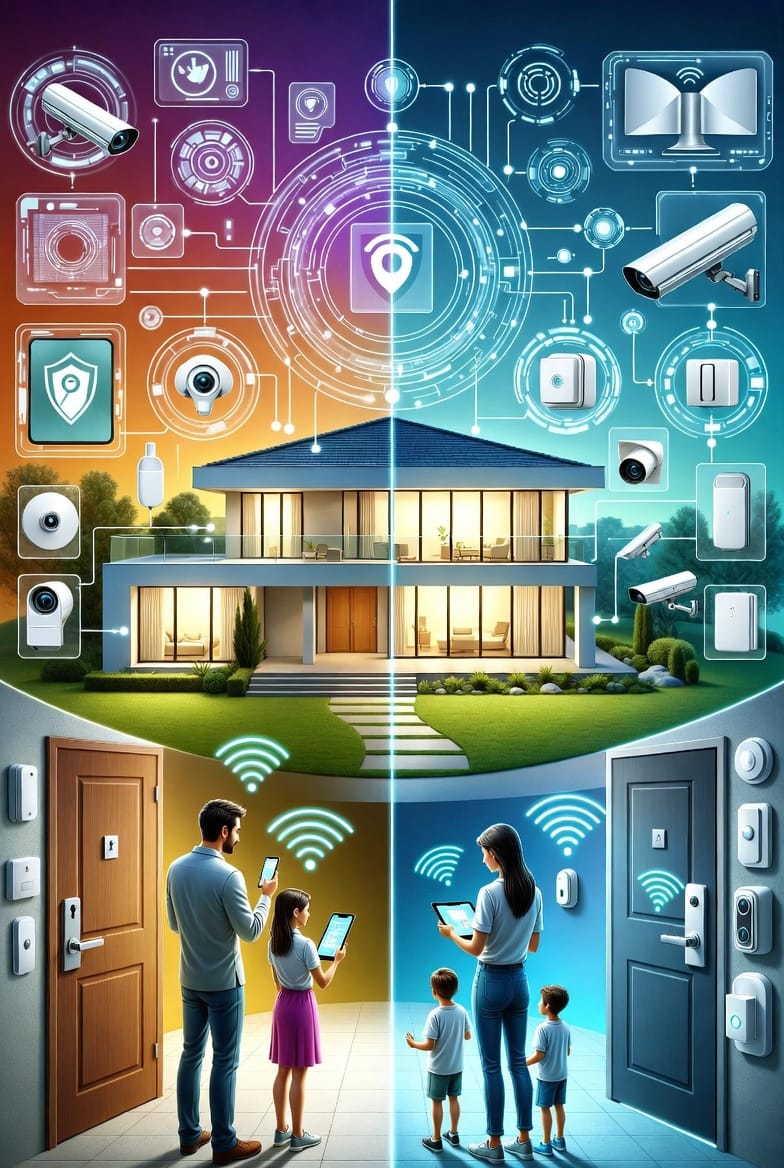
In today's fast-paced world, safeguarding your home isn't just about locks and keys—it's about intelligent, interconnected systems that anticipate threats and respond seamlessly. As a leading authority in home protection, we're here to guide you through the evolution of modern home security systems. Whether you're upgrading an existing setup or starting fresh, understanding the core components like smart alarms, proactive monitoring, and automation can transform your living space into a sanctuary of safety. Rest assured, with the right choices, you can achieve unparalleled peace of mind without compromising convenience.
Design Your Custom Smart Security System – Call Now
This comprehensive guide explores the key features of contemporary security solutions, compares professionally monitored versus DIY systems, delves into smart home integration, and emphasizes essentials like cellular backup and video verification. By the end, you'll be equipped to make informed decisions that protect what matters most.
The Rise of Smart Alarms: Your First Line of Defense
Gone are the days of clunky, wired alarms that only blare when it's too late. Smart alarms represent the pinnacle of entry-level protection, blending advanced sensors with intuitive controls. These devices detect motion, glass breaks, or unauthorized entry using cutting-edge technology like infrared sensors and AI-driven analytics.
What sets them apart? Real-time notifications sent directly to your smartphone ensure you're always in the loop, even when away. Imagine receiving an alert about a suspicious movement in your backyard—complete with a snapshot—allowing you to act immediately. This proactive approach minimizes risks and empowers homeowners to respond before incidents escalate.
- Key Benefits of Smart Alarms:
- Instant Alerts: Push notifications via apps keep you connected 24/7.
- Customizable Sensitivity: Adjust settings to avoid false alarms from pets or wind.
- Energy Efficiency: Battery-powered options with long life spans reduce maintenance hassles.
Authoritatively speaking, integrating smart alarms into your routine isn't overwhelming; it's empowering. Start small, and watch how they evolve with your needs.
Comparing Professionally Monitored vs. DIY Systems: Which Fits Your Lifestyle?
Choosing between professionally monitored systems and DIY alternatives is a pivotal decision in your security journey. Let's break it down with original insights drawn from real-world applications, ensuring you select a path that aligns with your budget, technical comfort, and protection priorities.
Professionally Monitored Systems involve a dedicated team of experts overseeing your setup around the clock. When an alarm triggers, they verify the threat and dispatch emergency services if needed. This hands-off approach is ideal for busy families or those in high-risk areas.
In contrast, DIY systems put control squarely in your hands. You install, configure, and monitor everything yourself, often at a lower upfront cost. Apps and user-friendly interfaces make this feasible for tech-savvy individuals.
Original Comparison: A Side-by-Side Analysis
To help you visualize, consider this balanced evaluation based on practical scenarios:
- Response Time: Professionally monitored setups average under 30 seconds for verification and action, versus DIY's reliance on your availability—potentially delaying responses during travel or sleep.
- Cost Structure: DIY shines with one-time purchases (around $200–$500), while professional options include monthly fees ($20–$60) but often bundle equipment and support.
- Reliability in Emergencies: Monitored systems offer redundancy against power outages or internet failures; DIY might falter without backups.
- Scalability: Both expand easily, but professionals provide customized expansions, like adding environmental sensors for flood detection.
- User Experience: DIY fosters independence and customization, but monitored services deliver reassurance through expert oversight, reducing the burden on you.
Ultimately, if reliability trumps cost, opt for professional monitoring—it's like having a vigilant guardian on duty. For those who enjoy tinkering, DIY offers flexibility without ongoing commitments. Whichever you choose, rest easy knowing modern options are designed for seamless performance.
Unlocking Smart Home Integration: Seamless Connectivity for Enhanced Protection
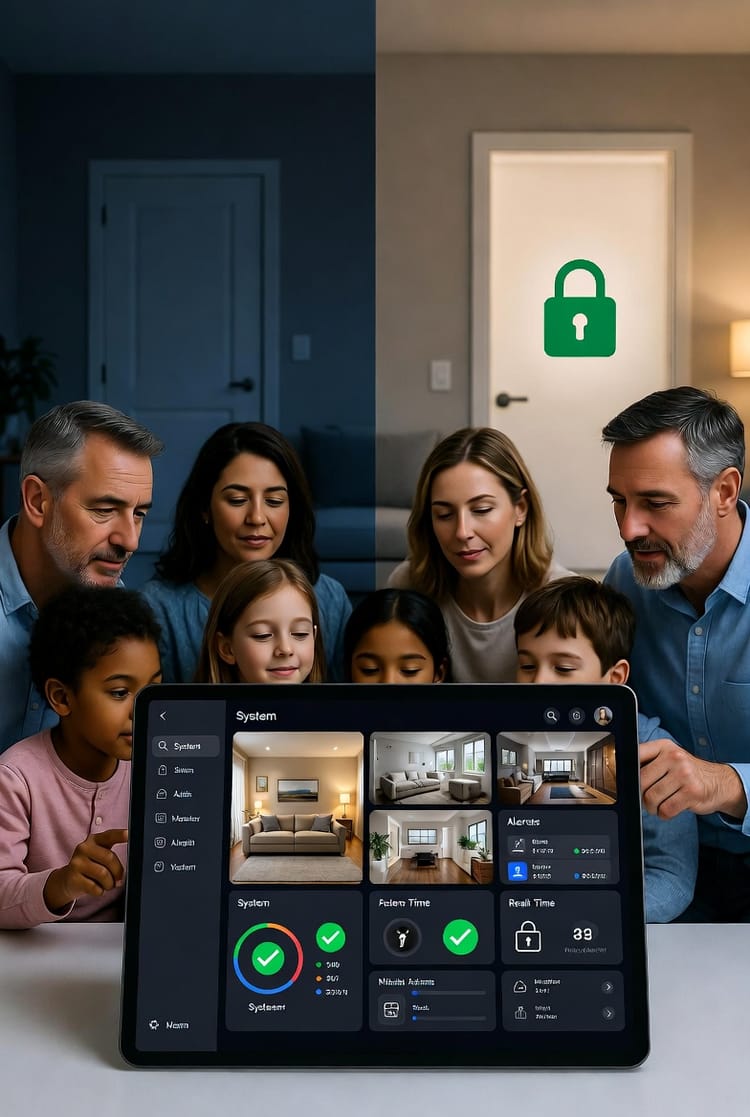
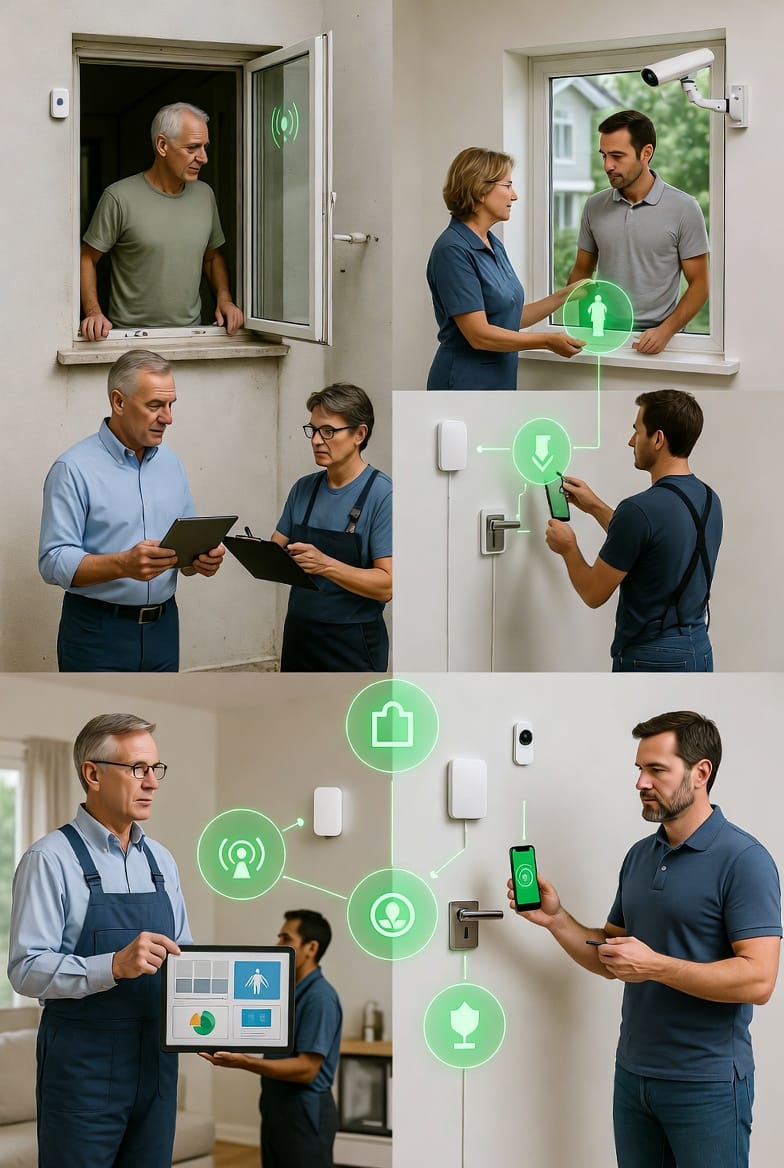
The true magic of modern home security lies in smart home integration, where your security system communicates effortlessly with other devices. Platforms like Google Home, Amazon Alexa, or Apple HomeKit allow your alarms, cameras, and locks to work in harmony.
Picture this: Your smart alarm detects unusual activity, automatically triggering lights to illuminate the area, locking doors, and even adjusting your thermostat to signal occupancy. This interconnected ecosystem not only deters intruders but also enhances daily life—think voice commands to arm the system or automated routines that simulate presence when you're vacationing.
Essential Integration Features to Consider
- Compatibility: Ensure your system supports major protocols like Z-Wave or Zigbee for broad device connectivity.
- Automation Rules: Set scenarios, such as "if motion detected after 10 PM, notify me and flash outdoor lights."
- Voice Control: Hands-free operation adds convenience, especially for families with mobility needs.
- Data Privacy: Modern systems prioritize encrypted communications to safeguard your information.
By integrating security into your smart home, you're not just reacting to threats—you're preventing them. This authoritative strategy turns potential vulnerabilities into strengths, all while maintaining a user-friendly interface.
Highlighting Cellular Backup: Staying Protected During Outages
Power failures or Wi-Fi disruptions shouldn't leave your home exposed. That's where cellular backup comes in—a robust feature that ensures continuous connectivity via mobile networks.
Unlike traditional systems reliant on landlines or internet, cellular backups use dedicated SIM cards to transmit signals. In an outage, your smart alarm switches seamlessly, maintaining communication with monitoring centers or your app. This redundancy is crucial in storm-prone areas or during blackouts, where reliability can mean the difference between safety and risk.
- Advantages of Cellular Backup:
- Uninterrupted Service: Operates independently of home utilities.
- Faster Transmission: Cellular signals often outpace Wi-Fi in emergencies.
- Low Maintenance: No need for wiring; just periodic signal checks.
Rest assured, incorporating cellular backup into your setup is a smart, forward-thinking choice that bolsters your overall defense without complexity.
The Power of Video Verification: Confirming Threats in Real Time
In the realm of proactive monitoring, video verification stands out as a game-changer. This technology pairs cameras with alarms, allowing monitoring teams (or you) to visually confirm incidents before escalating.
When a sensor trips, high-definition footage is reviewed instantly—distinguishing between a real intruder and a harmless pet. This reduces false alarms, speeds up response times, and provides evidence for authorities.
Why Video Verification Matters
- Accuracy Boost: Minimizes unnecessary police dispatches, saving time and resources.
- Enhanced Deterrence: Visible cameras with verification capabilities discourage potential burglars.
- Integration Potential: Works with automation to record events automatically.
- Privacy Controls: Features like geofencing ensure cameras activate only when needed.
Authoritatively, video verification elevates your system from reactive to intelligent, offering tangible proof and peace in uncertain moments.
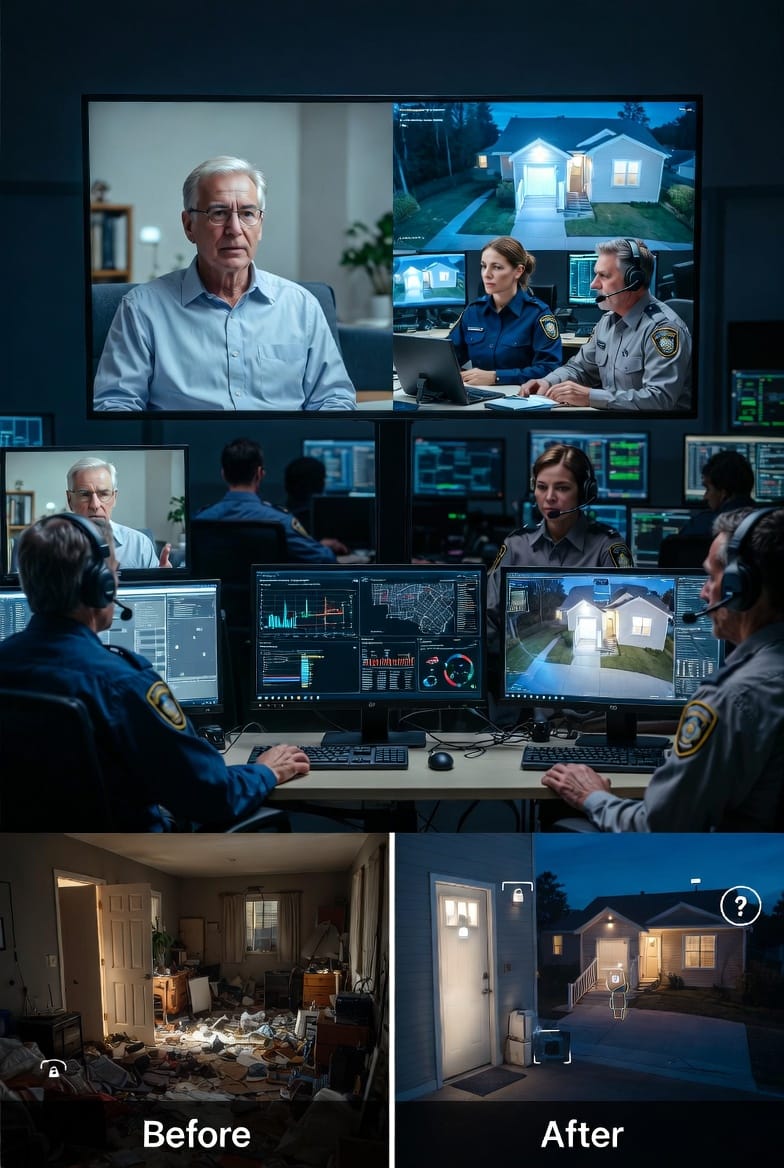
Proactive Monitoring: The Future of Home Protection
Shifting from passive alerts to proactive monitoring means your system anticipates issues before they arise. AI algorithms analyze patterns—like unusual door openings—and flag anomalies early.
Combined with automation, this creates a self-regulating environment: Lights activate on schedule, cameras pan to cover blind spots, and alerts prioritize based on severity. For families, this means less worry and more focus on what truly matters.
Automation in Action: Everyday Security Simplified
Automation takes integration further by automating responses. Set rules for your system to lock doors at sunset or notify you of package deliveries via camera feeds.
- Practical Automation Examples:
- Vacation Mode: Simulate occupancy with randomized lights and sounds.
- Family Safety: Geofencing arms the system when everyone leaves.
- Environmental Integration: Link to smoke detectors for comprehensive alerts.
This level of sophistication ensures your home is always one step ahead, providing authoritative control in an unpredictable world.
Choosing the Right System: Tailored Advice for Every Home
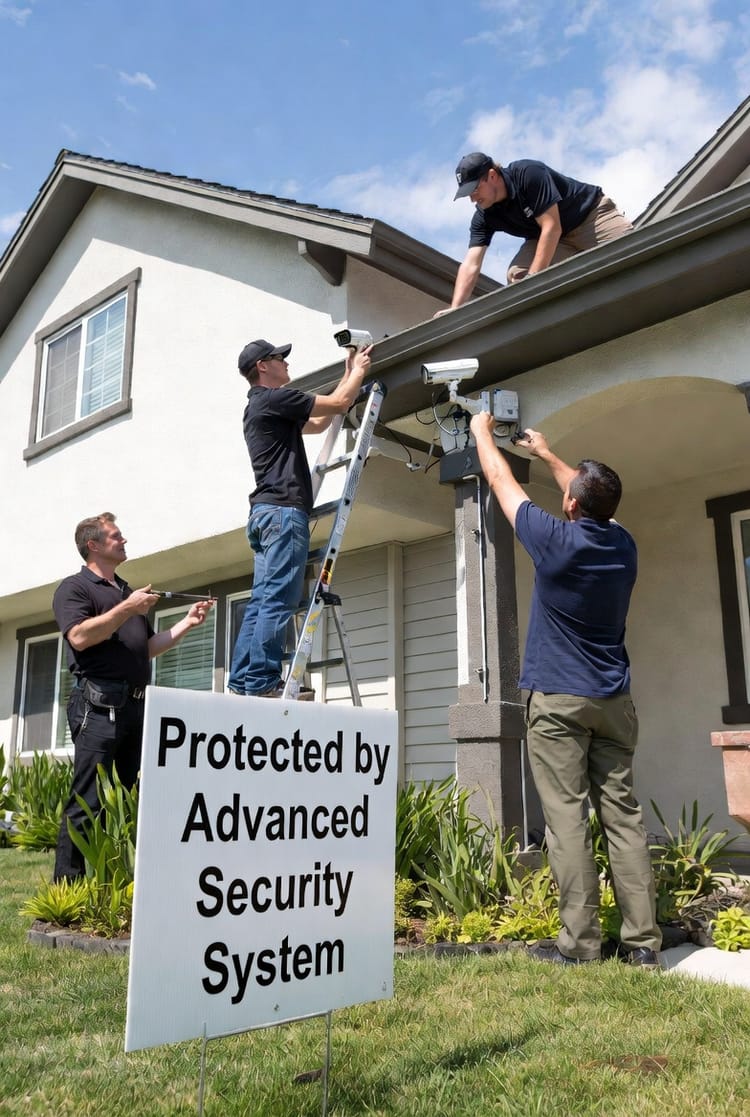
No two homes are alike, so your modern home security system should reflect your unique needs. Assess factors like property size, location risks, and family dynamics. Start with a core setup—alarms and cameras—then layer on integrations as needed.
Budget-wise, expect $300–$1,000 for entry-level kits, scaling up for advanced features. Professional installation ensures optimal placement, but DIY enthusiasts can thrive with guided apps.
Remember, the goal is sustainable protection: Regular updates and testing keep your system sharp.
Common Myths Debunked: Setting the Record Straight
Myth: Smart security is too complicated. Reality: User-friendly apps make management intuitive.
Myth: DIY is always cheaper long-term. Reality: Hidden costs like false alarm fines can add up without monitoring.
Myth: Automation replaces human oversight. Reality: It enhances it, blending tech with professional vigilance.
By dispelling these, you're empowered to invest wisely.
Maintenance Tips: Keeping Your System at Peak Performance
Routine checks—battery replacements, software updates, and sensor cleanings—extend longevity. Schedule annual professional audits for comprehensive reviews.
- Quick Maintenance Checklist:
- Test alarms monthly.
- Update firmware promptly.
- Monitor cellular signal strength.
With these habits, your system remains a reliable ally.
The Environmental Angle: Sustainable Security Solutions
Modern systems prioritize eco-friendliness with solar-powered cameras and energy-efficient sensors. This not only reduces your carbon footprint but aligns with a responsible lifestyle.
Future Trends: What's Next in Home Security
Look forward to AI enhancements, biometric locks, and drone integrations. These innovations promise even greater proactive monitoring and automation.
In conclusion, embracing modern home security systems—from smart alarms to proactive monitoring and automation—delivers more than protection; it grants freedom. Achieve true peace of mind.
Switch to Intelligent Alarms & Automation – Call Now