Mastering Your Bathroom Remodel: From Initial Design to Final Details
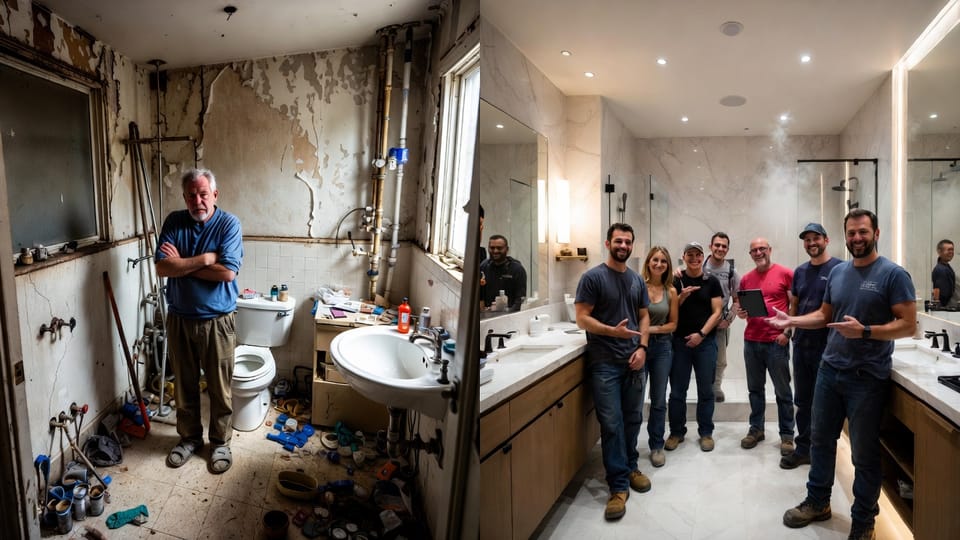
Embarking on a bathroom remodel can feel like stepping into uncharted territory, but with the right guidance, it becomes an exciting journey toward creating a space that's both functional and indulgent. Whether you're updating a compact powder room or overhauling a spacious master suite, this comprehensive guide will equip you with the knowledge to master every step. We'll explore planning and layout optimization, material selections for wet areas, ventilation strategies, lighting design, and universal design elements for enhanced safety and accessibility. Rest assured, by following these practical tips, you'll achieve a remodel that's not only beautiful but built to last—transforming your daily routine into a rejuvenating experience.
Transform Your Bathroom Now – Speak to Our Design Team
The Power of Thoughtful Planning: Setting the Foundation
Before picking up a hammer, strategic planning is your secret weapon. Start by assessing your needs: How many people use the bathroom? What are your storage requirements? Do you crave a spa-like oasis or a quick, efficient setup? Document your vision with mood boards or digital tools to align your ideas with reality.
- Define Your Budget Wisely: Allocate 40-50% for labor, 30% for materials, and the rest for fixtures and unexpected costs. This balanced approach prevents overruns and ensures quality.
- Timeline Realism: A full remodel typically spans 4-8 weeks, depending on scope. Factor in permits and inspections to avoid delays.
- Hire Professionals Early: Consult architects or designers who specialize in bathrooms—they'll spot potential pitfalls like plumbing constraints before they become costly.
Remember, a well-planned remodel minimizes stress and maximizes value, potentially increasing your home's resale appeal by up to 60%.
Optimizing Your Bathroom Layout: Space-Saving Mastery
The heart of any successful remodel lies in layout optimization. Even in a modest 5'x8' space, clever design can make it feel expansive. Focus on traffic flow, fixture placement, and zoning—separating wet and dry areas for efficiency.
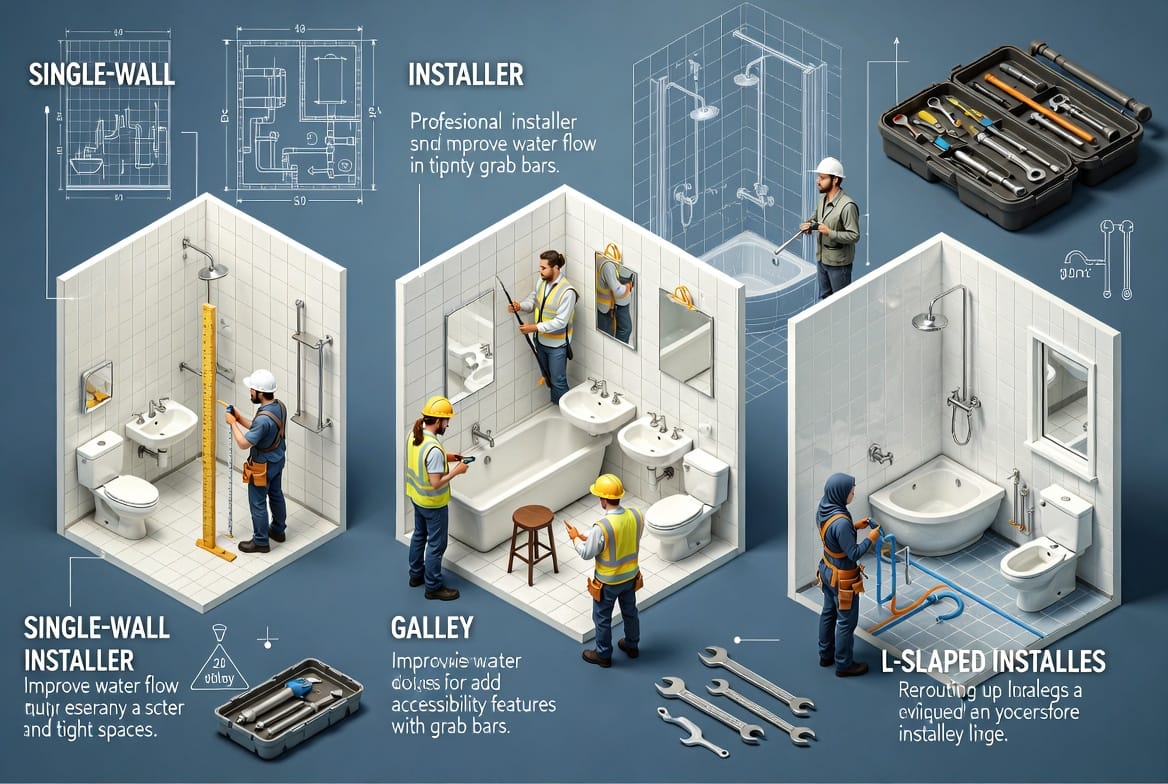
Consider these proven configurations:
- Single-Wall Layout: Ideal for narrow rooms, line up the sink, toilet, and shower along one wall to free up floor space for movement.
- Galley Style: Place fixtures on opposite walls, creating a corridor-like efficiency perfect for high-traffic family bathrooms.
- L-Shaped Design: Position the shower or tub in a corner, with the vanity and toilet along adjacent walls, enhancing openness and accessibility.
Incorporate storage solutions like recessed niches or floating vanities to combat clutter. By prioritizing ergonomics, you'll create a layout that feels intuitive and spacious, turning everyday tasks into seamless rituals.
Choosing Wet-Area Materials: Durability Meets Elegance
When it comes to wet-area materials, selections must withstand moisture while elevating aesthetics. Opt for non-porous options to prevent mold and ensure longevity—key to a low-maintenance haven.
- Tile Choices: Porcelain or ceramic tiles excel in showers and floors due to their water resistance. Go for large-format tiles to reduce grout lines, minimizing cleaning efforts. Bold patterns, like herringbone or subway, add personality without overwhelming.
- Solid Surface Countertops: Materials like quartz or Corian offer seamless integration, resisting stains and bacteria. They're ideal for vanities, providing a sleek, hygienic surface that's easy to wipe down.
- Sustainable Options: Consider recycled glass tiles or low-VOC sealants for an eco-friendly twist, aligning durability with environmental responsibility.
By selecting high-quality materials, you're investing in a bathroom that ages gracefully, sparing you future headaches and repairs.
Ventilation Essentials: Breathing Life into Your Space
Overlooked yet critical, proper ventilation combats humidity, odors, and health risks like mold growth. A well-ventilated bathroom not only preserves your remodel but also promotes well-being.
Install a fan with at least 1 CFM per square foot of space—aim for 50-100 CFM in most cases. Choose quiet models (under 1 sone) with humidity sensors for automatic operation. Duct it directly outdoors to expel moisture effectively, and pair it with operable windows for natural airflow.
Incorporate these tips:
- Timer Switches: Set fans to run 20-30 minutes post-shower to clear lingering steam.
- Energy-Efficient Models: Look for ENERGY STAR-rated units to save on utilities while maintaining air quality.
- Maintenance Routine: Clean vents quarterly to ensure peak performance.
With robust ventilation, your bathroom remains fresh and inviting, safeguarding your investment for years.
Lighting Design: Illuminating Functionality and Ambiance
Lighting design transforms a mundane bathroom into a luminous sanctuary. Layer ambient, task, and accent lighting to balance practicality with mood.
- Ambient Lighting: Overhead fixtures like recessed cans provide even illumination—opt for dimmable LEDs for versatility.
- Task Lighting: Install sconces or vanity strips at eye level to eliminate shadows during grooming; choose warm 2700K bulbs for flattering tones.
- Accent Features: Highlight architectural elements with LED strips under cabinets or around mirrors, adding depth and drama.
Prioritize waterproof ratings (IP44 or higher) for safety in wet zones. Smart controls allow customization, from bright mornings to relaxing evenings. Thoughtful lighting not only enhances usability but also creates an atmosphere that rejuvenates the soul.

Universal Design Elements: Safety and Accessibility for All
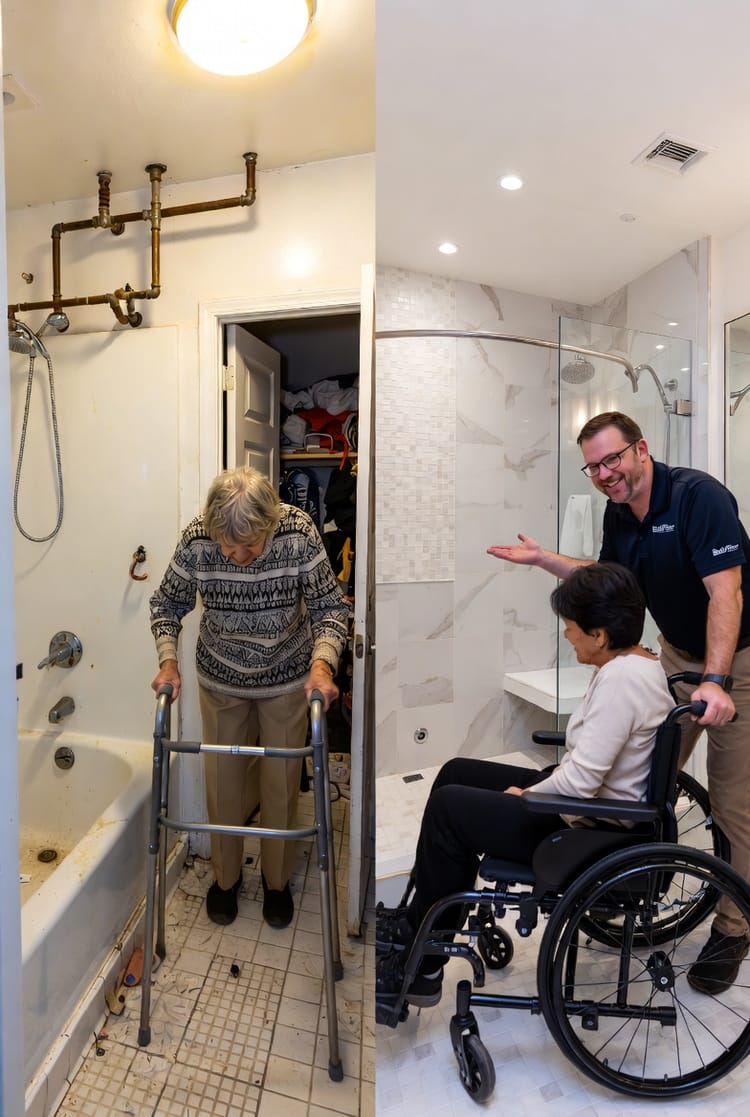
Incorporating universal design ensures your bathroom is safe, accessible, and future-proof—welcoming for every age and ability. This inclusive approach adds value without sacrificing style.
Key elements include:
- Grab Bars and Supports: Install reinforced bars near toilets and showers; choose stylish chrome or matte finishes to blend seamlessly.
- Curbless Showers: Eliminate trip hazards with zero-threshold entries, paired with anti-slip flooring for secure footing.
- Adjustable Fixtures: Opt for wall-mounted sinks and toilets at varying heights, or lever-handled faucets for ease of use.
- Wider Doorways: Aim for 32-36 inches to accommodate wheelchairs, enhancing maneuverability.
These features prevent accidents—reducing fall risks by up to 80%—while creating a timeless space. Embrace universal design as a smart, compassionate choice that evolves with your life.
Bringing It All Together: Final Touches and Maintenance
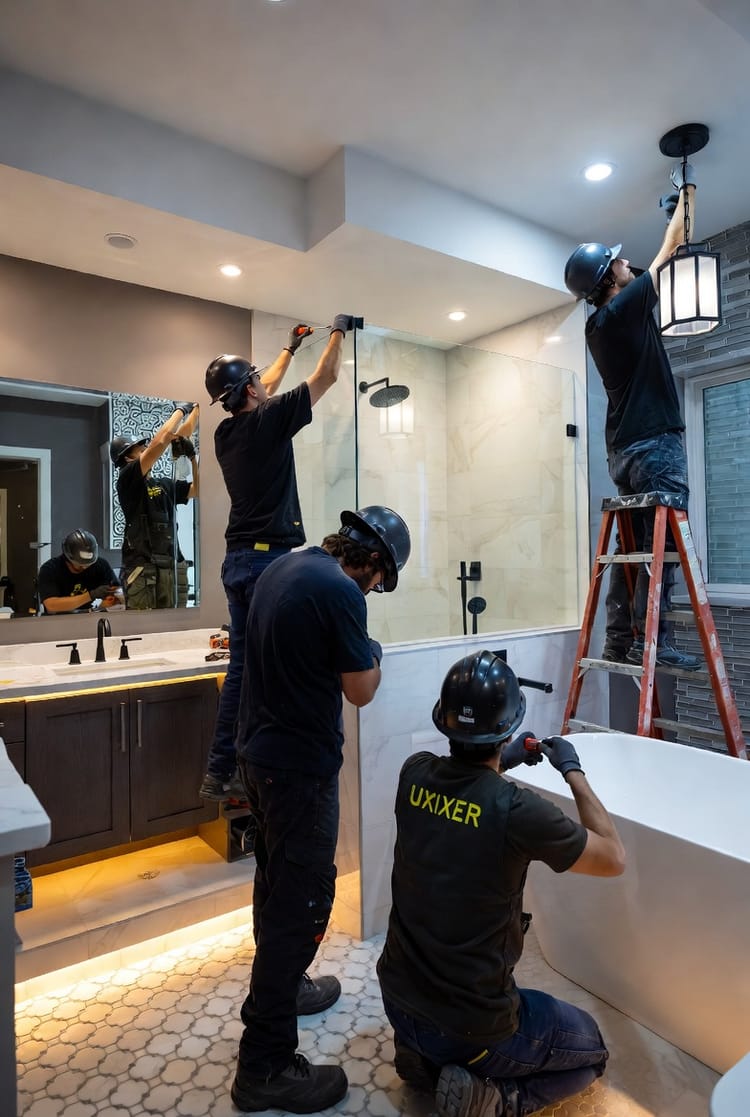
As your remodel nears completion, focus on final details like paint, accessories, and sealing. Test all systems—plumbing, electrical, ventilation—to catch issues early. Then, establish a maintenance plan: Regular caulking checks, filter replacements, and gentle cleaning preserve your oasis.
Inspirational note: Your remodeled bathroom isn't just a room; it's a personal retreat that reflects your style and supports your well-being. With careful execution, it becomes a source of daily joy.
Design Your Ideal Bathroom – Contact Us Today