Mastering the Drop Zone: A Guide to Strategic Dumpster Placement and Community Courtesy
Renting a dumpster can transform a chaotic cleanup project into a streamlined operation, but success hinges on strategic placement and thoughtful logistics. Whether you're tackling a home renovation, yard overhaul, or commercial debris removal, understanding the nuances of dumpster rental logistics ensures efficiency, safety, and harmony with your surroundings. In this comprehensive guide, we'll delve into the practical aspects of choosing the right spot, safeguarding your property, complying with regulations, and fostering positive neighbor relations. With an authoritative approach grounded in industry best practices, you'll gain the confidence to master the "drop zone" – that critical area where your dumpster lands and your project takes off.
Avoid Costly Mistakes: Strategic Placement Starts Here – Call Now
Understanding Dumpster Placement Fundamentals
The foundation of a successful dumpster rental lies in ideal placement. This isn't just about convenience; it's a logistical puzzle that balances accessibility, safety, and property preservation. Start by assessing your site: Is there enough space for the delivery truck to maneuver? Standard dumpsters range from 10 to 40 yards, requiring a footprint of about 10-22 feet in length and 8 feet in width, plus room for the roll-off mechanism.
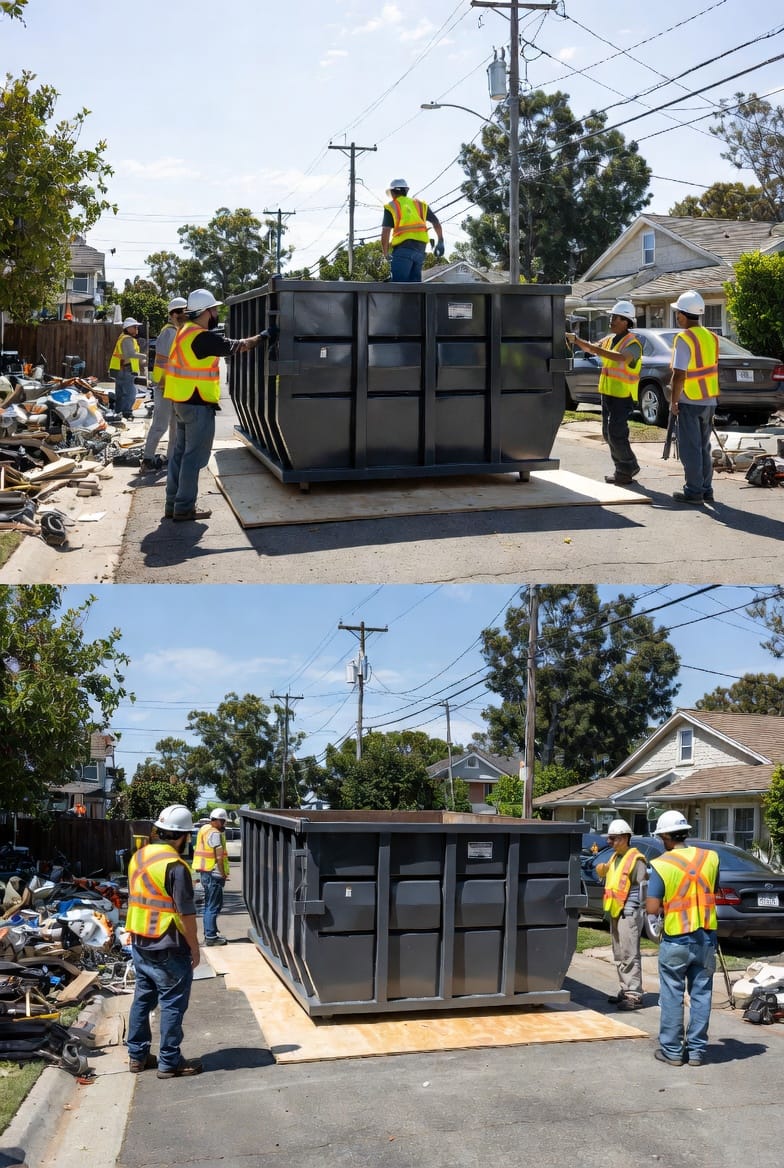
- Driveway Placement Pros and Cons: Driveways offer easy access but risk surface damage. Always use protective measures like plywood or boards to distribute weight evenly.
- Street or Yard Alternatives: If driveway space is limited, consider street placement (with permits) or softer yard areas, but evaluate soil stability to prevent sinking.
- Clearance Considerations: Ensure at least 14 feet of vertical clearance for overhead wires or branches, and 5-10 feet on all sides for safe loading.
By prioritizing these elements, you avoid costly mishaps and ensure smooth operations. Remember, professional providers often offer site evaluations – a reassuring step for first-timers.
Protecting Your Driveway and Property
One of the most common concerns in dumpster rentals is property damage. Asphalt, concrete, or paver driveways can crack under the weight of a loaded dumpster, which might exceed 10 tons. But with proactive logistics, this risk is minimal.
Surface Safeguarding Strategies
- Use Protective Barriers: Place 3/4-inch plywood sheets or commercial dumpster pads under the container's feet. This disperses pressure and prevents indentations.
- Weight Distribution Planning: Opt for smaller dumpsters if your surface is delicate, or schedule partial pickups to manage load weight.
- Pre-Inspection Documentation: Photograph your driveway before delivery. This authoritative record protects against disputes.
In yards, avoid soft ground during rainy seasons to prevent ruts. If damage occurs, reputable companies carry insurance – another layer of reassurance in your rental choice.
Long-Term Property Considerations
Think beyond the rental period: Position the dumpster away from landscaping to minimize debris scatter. Use tarps or fencing for containment, ensuring your property emerges unscathed and your project timeline stays on track.
Navigating HOA Rules and City Permits
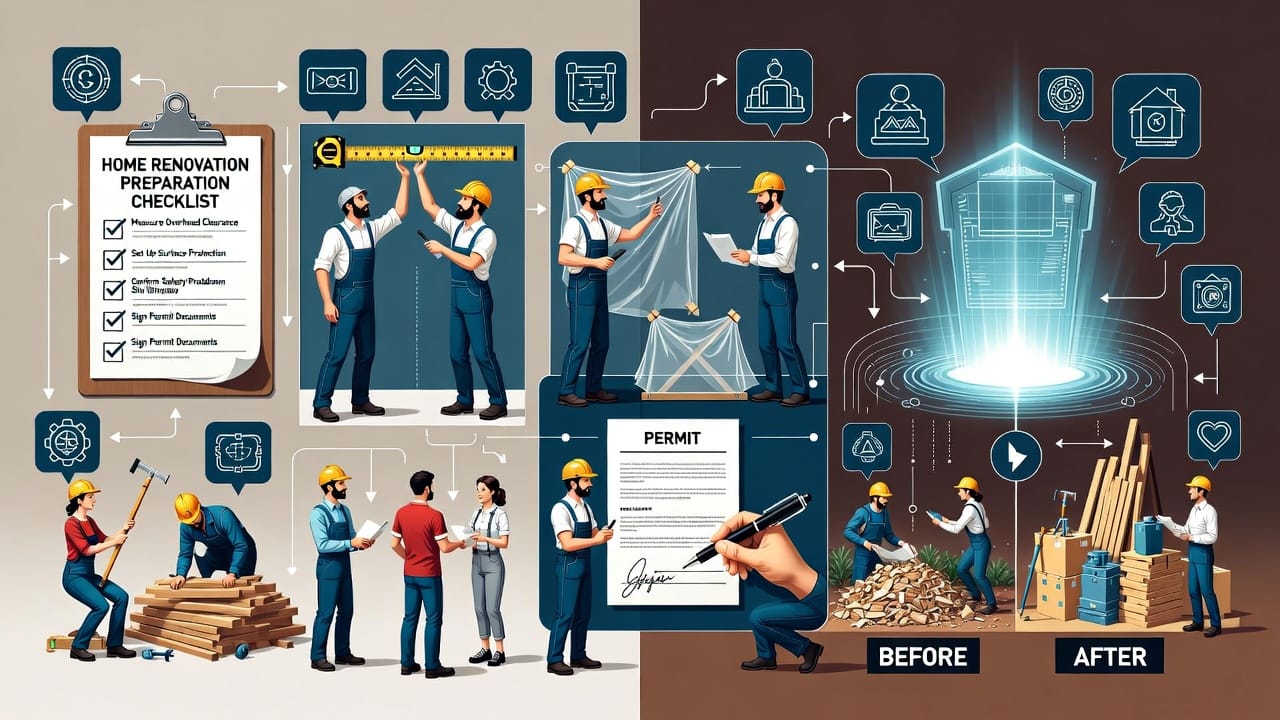
Regulatory compliance is a cornerstone of dumpster rental logistics. Ignoring HOA guidelines or city permits can lead to fines, delays, or forced removals – disruptions no one wants.
Decoding HOA Regulations
Homeowners associations often have strict rules on aesthetics and placement duration.
- Review Covenants: Check for restrictions on visible waste containers; some require screening or limited rental periods (e.g., 7-14 days).
- Seek Approval Early: Submit requests with details on size, placement, and timeline. Pro tip: Include photos of proposed protective measures to demonstrate courtesy.
- Common Pitfalls to Avoid: Overnight street parking bans or color-matching requirements – bold these in your planning to stay compliant.
With clear communication, HOAs can become allies in your project.
Securing City Permits
Urban areas frequently mandate permits for street placements to ensure public safety.
- Application Process: Contact your local public works department 1-2 weeks in advance. Fees range from $25-$100, depending on location.
- Required Documentation: Provide dumpster specs, placement sketch, and proof of insurance from your rental provider.
- Permit Display Rules: Affix permits visibly on the dumpster to avoid citations.
Rural areas may have laxer rules, but always verify. This logistical foresight turns potential headaches into seamless executions.
Managing Neighbor Relations
A dumpster in your driveway affects more than your property – it impacts the community. Community courtesy is key to maintaining good relations and avoiding complaints.
Communication Best Practices
- Notify in Advance: A friendly note or conversation about your project timeline builds understanding. Explain how you'll minimize noise and odors.
- Tidy Load Maintenance: Keep debris contained; cover the dumpster nightly to prevent windblown litter.
- Adhere to Timelines: Stick to your rental agreement – overages can lead to extended eyesores.
By being considerate, you foster a positive environment, turning neighbors into supporters rather than critics.
Handling Potential Conflicts
If issues arise, address them promptly. For instance, if blocking access, offer alternatives like temporary parking arrangements. This authoritative, empathetic approach resolves tensions quickly.
Efficient Loading and Timeline Adherence
Maximizing your dumpster's capacity while respecting rental periods is pure logistics artistry.
Loading Techniques for Efficiency
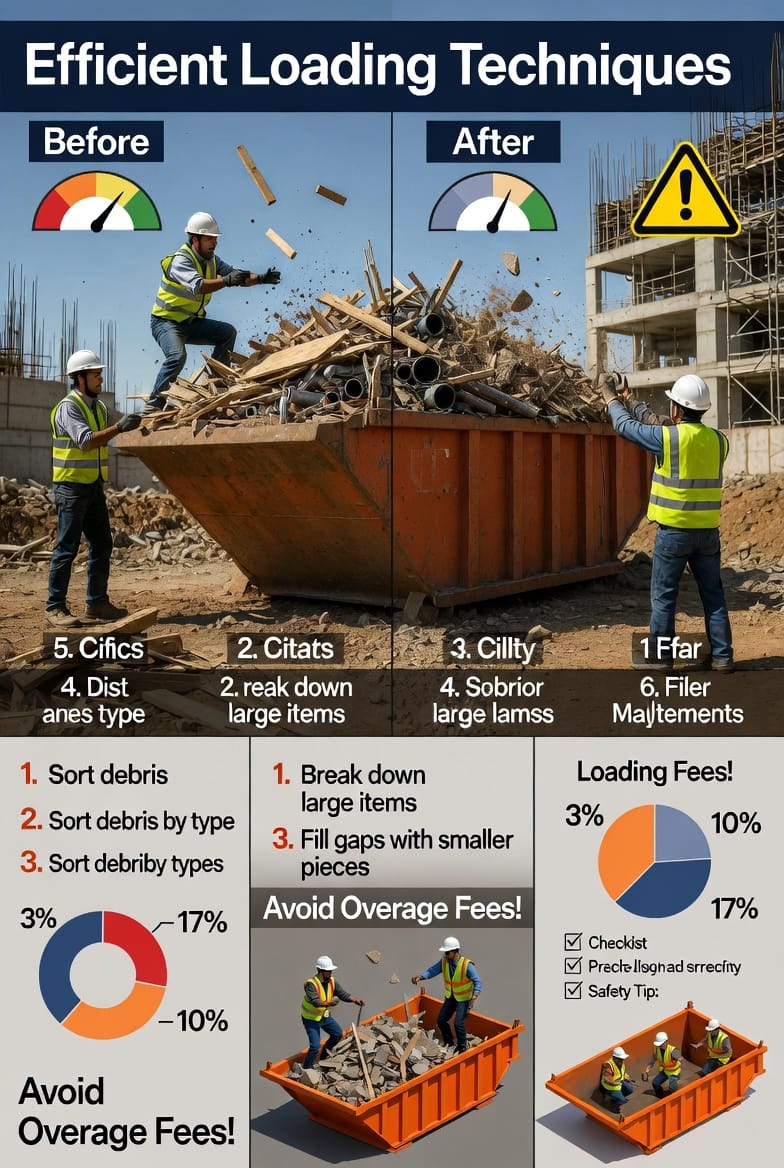
- Layering Strategy: Start with flat items at the bottom, building up with heavier debris to stabilize the load.
- Space Optimization: Break down bulky items; avoid air pockets by filling gaps with smaller waste.
- Prohibited Items Awareness: Boldly note bans on hazardous materials like paints or electronics to prevent fees.
These methods not only save space but also reduce trips and costs.
Timeline Management
Rental periods typically span 7-10 days, but extensions are available. Plan your project phases:
- Pre-Rental Prep: Clear the site and gather waste.
- During Rental: Load progressively to avoid overloads.
- Post-Rental Cleanup: Sweep the area for a pristine finish.
Staying on schedule ensures no surprise charges and a hassle-free experience.
Advanced Logistics Tips for Pro-Level Rentals
For larger projects, elevate your approach with these expert insights.
Multi-Dumpster Coordination
If one isn't enough, sequence deliveries: Empty the first before the second arrives, optimizing space and flow.
Weather and Seasonal Considerations
Rain can turn sites muddy – plan for tarps and drainage. In winter, account for snow removal to maintain access.
Vendor Selection Criteria
Choose providers with strong logistics support: GPS-tracked deliveries, flexible scheduling, and responsive customer service. Look for reviews emphasizing reliability.
Common Mistakes and How to Avoid Them
Even seasoned renters slip up. Here's how to sidestep pitfalls:
- Underestimating Size Needs: Calculate waste volume accurately; err larger to avoid swaps.
- Ignoring Weight Limits: Overloading incurs fees – monitor with scales if needed.
- Poor Placement Choices: Always measure twice; rushed decisions lead to relocations.
With these in mind, your rental becomes foolproof.
Sustainability in Dumpster Rentals
Modern logistics include eco-friendly practices. Opt for companies that sort recyclables, reducing landfill impact. This not only benefits the planet but enhances community goodwill.
Recycling Integration
- Separate Streams: Designate areas for metals, wood, and organics.
- Partner with Green Providers: Many offer diversion reports, proving your commitment.
Case Studies: Real-World Successes
Consider a suburban renovation: By securing permits and using driveway protection, the homeowner completed the project without complaints. Or a commercial site where timed pickups kept operations flowing – proof that logistics mastery pays off.
Final Thoughts on Mastering the Drop Zone
Renting a dumpster is more than waste disposal; it's a logistical endeavor requiring planning, compliance, and courtesy. By focusing on strategic placement, property protection, regulatory navigation, and neighbor harmony, you'll execute projects with ease.
Hassle-Free Dumpster Rental Starts with One Call – Dial No