Garage Door Safety and Maintenance: Ensuring Smooth, Secure Operation
Your garage door is more than just an entry point—it's a vital component of your home's security and convenience. As homeowners, we often take it for granted until something goes wrong. But with proper garage door safety practices and regular maintenance, you can prevent accidents, extend the lifespan of your system, and ensure seamless daily use. In this guide, we'll explore essential tasks, the role of safety sensors, warning signs for professional intervention, and why certain repairs should never be attempted DIY. Rest assured, by following these steps, you'll keep your family protected and your door functioning reliably.
Protect Your Home & Loved Ones – Schedule Garage Door Service Now
Why Prioritize Garage Door Safety?
Garage doors are heavy mechanisms, often weighing hundreds of pounds, and they operate under significant tension. Neglecting maintenance can lead to malfunctions that pose serious risks, including injuries from falling doors or entrapment. According to safety experts, thousands of garage door-related accidents occur annually, many preventable with basic upkeep. The good news? Implementing a routine garage door maintenance schedule is straightforward and empowering. It not only enhances security but also boosts your home's curb appeal and energy efficiency.
Think of your garage door as a guardian of your property. By staying proactive, you're investing in peace of mind. Let's dive into the core elements of keeping it in top shape.
Essential Maintenance Tasks for Longevity
Regular garage door maintenance is the foundation of safe and efficient operation. These tasks can often be handled by homeowners with basic tools, but always prioritize safety by disconnecting power before starting. Aim to perform these checks monthly or at least biannually.
- Visual Inspection: Start by examining the door's components. Look for frayed cables, rusted springs, bent tracks, or worn rollers. Any signs of damage could indicate impending failure—address them promptly to avoid costly breakdowns.
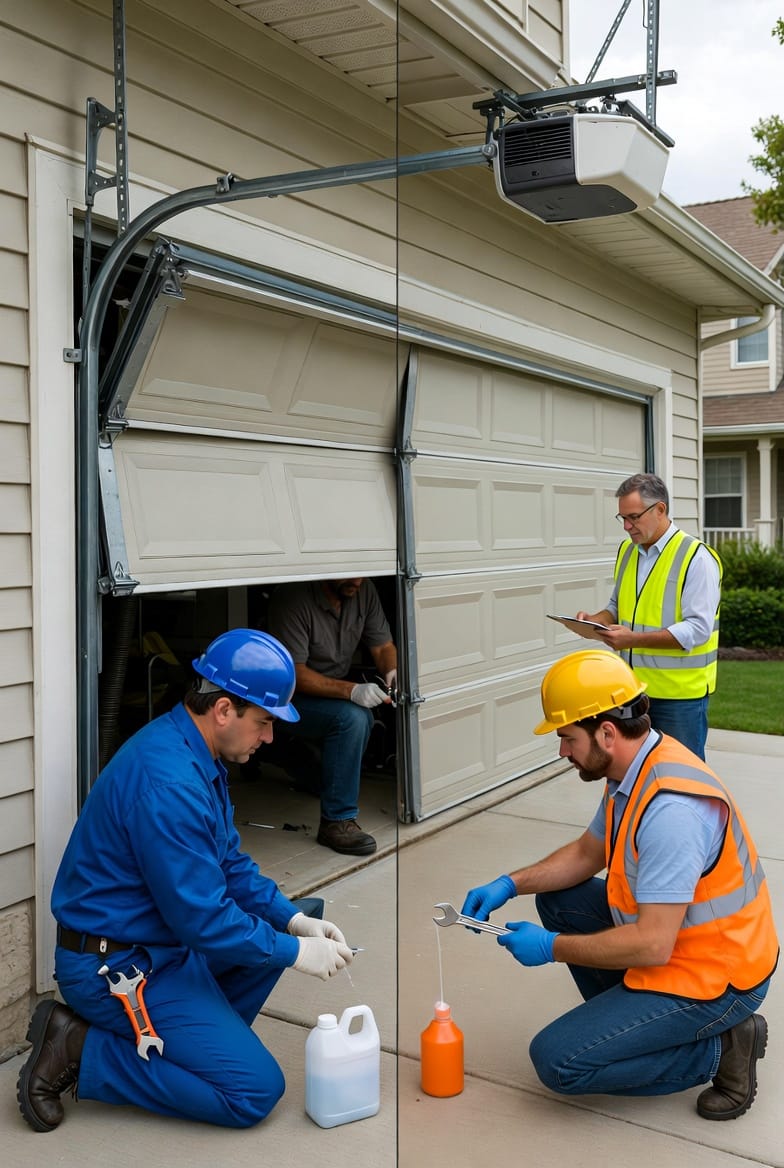
- Lubrication: Apply a high-quality silicone-based lubricant to moving parts like rollers, hinges, and tracks. This reduces friction, prevents squeaking, and ensures smooth operation. Avoid over-lubricating, as excess can attract dirt and grime.
- Balance Test: Disconnect the opener and manually lift the door halfway. If it doesn't stay in place, the springs may need adjustment—a task best left to professionals to prevent injury.
- Hardware Tightening: Vibrations from daily use can loosen bolts and screws. Use a socket wrench to tighten all hardware, including brackets and tracks, but don't overtighten to avoid stripping.
- Weatherstripping Replacement: Check the bottom seal for cracks or gaps. Replacing worn weatherstripping improves insulation, keeps out pests, and maintains energy efficiency.
- Opener Chain or Belt Check: For chain-drive openers, ensure the chain is taut and lubricated. Belt-drive systems require less maintenance but still benefit from occasional inspections.
By incorporating these into your routine, you'll catch issues early, saving time and money. Remember, consistent garage door safety habits transform potential hazards into reliable performance.
The Critical Function of Safety Sensors
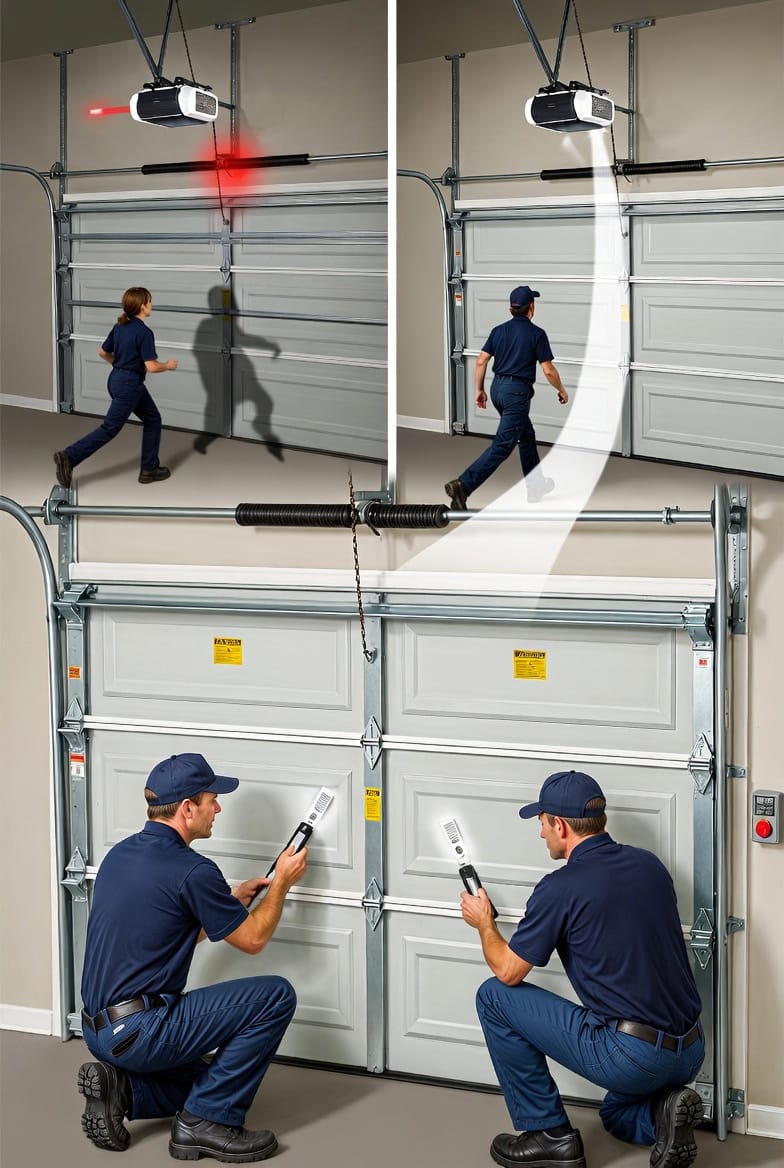
Safety sensors are your garage door's built-in guardians, designed to prevent accidents by detecting obstacles. Typically installed near the floor on both sides of the door, these photoelectric eyes emit an invisible beam. If anything interrupts this beam while the door is closing, it reverses direction immediately.
Understanding how they work is key to garage door safety. The sensors must be aligned perfectly—misalignment from bumps or dirt can cause false stops or failures. Clean the lenses monthly with a soft cloth to remove dust, and test them by placing an object like a roll of paper towels in the door's path. If the door doesn't reverse, recalibrate or seek professional help.
Common issues include wiring problems or sensor damage from environmental factors. Faulty safety sensors not only compromise security but can lead to legal liabilities in case of injury. Rest assured, modern systems comply with strict standards, but regular testing ensures they function as intended.
Incorporating sensor checks into your maintenance routine is simple yet effective. It's a small step that provides immense protection for children, pets, and vehicles.
Recognizing Signs That Require Professional Repair
Even with diligent garage door maintenance, some issues demand expert attention. Ignoring warning signs can escalate minor problems into major risks. Here's how to spot when it's time to call in the pros.
- Unusual Noises: Grinding, scraping, or banging sounds during operation often signal worn rollers, loose hardware, or imbalanced springs. These aren't just annoyances—they indicate potential failure.
- Slow or Jerky Movement: If the door hesitates, shakes, or moves unevenly, it could be due to track misalignment, opener issues, or cable wear. Prompt repair restores smooth operation and prevents strain on the system.
- Door Won't Close Fully: This might stem from faulty safety sensors, limit switch problems, or obstruction in the tracks. Never force it closed, as this heightens safety hazards.
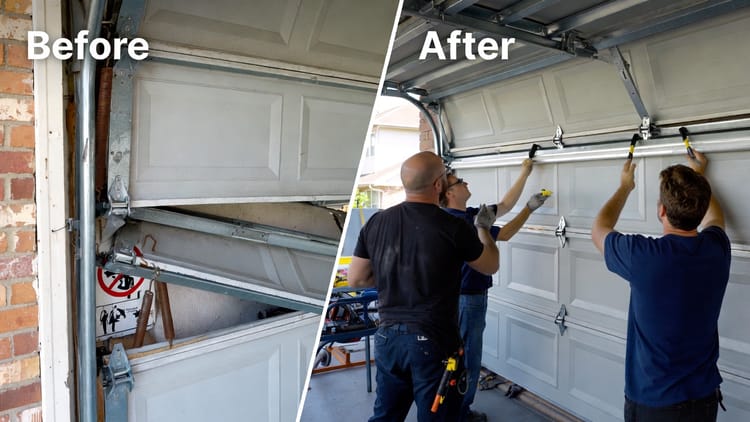
- Visible Damage: Cracks in panels, bent tracks, or sagging sections compromise structural integrity. Professional assessment ensures proper reinforcement without risking further damage.
- Frequent Reversals: If the door reverses without apparent reason, it could be sensor misalignment or sensitivity issues. Experts can diagnose and recalibrate accurately.
- Opener Malfunctions: Lights flickering, remote failures, or the opener not responding point to electrical or mechanical faults. DIY tinkering here can void warranties and pose electrocution risks.
Acting on these signs early maintains garage door safety and avoids emergency situations. Professionals have the tools and expertise to handle complex repairs safely.
The Dangers of DIY Spring Repair: A Critical Warning
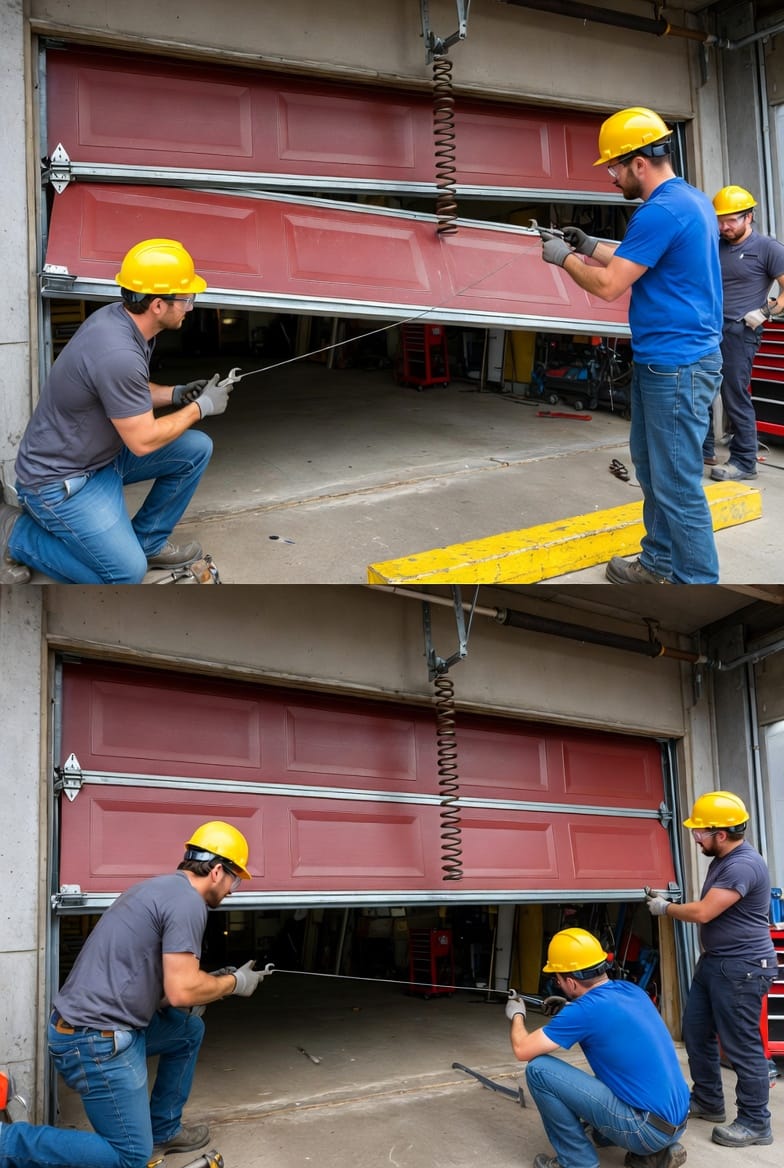
One of the most hazardous aspects of garage door maintenance is dealing with springs. These high-tension components counterbalance the door's weight, storing immense energy. Attempting DIY repairs on torsion or extension springs is extremely dangerous and should never be undertaken.
Why the emphasis? Springs under tension can snap unexpectedly, causing severe injuries like lacerations, fractures, or even fatalities. Without specialized tools like winding bars and clamps, homeowners risk losing control, leading to uncontrolled door drops or projectile hazards. Statistics show that DIY spring repairs account for a significant portion of garage-related emergencies.
Moreover, improper installation can lead to uneven tension, accelerating wear on other parts and compromising overall security. It's reassuring to know that certified technicians undergo rigorous training to handle these safely, using precise techniques to release and restore tension.
Always err on the side of caution—contact professionals for any spring-related issues. Your safety is paramount, and expert intervention ensures long-term reliability.
Original Safety Guidelines for Everyday Use
To complement your maintenance efforts, here are some original, practical garage door safety guidelines tailored for homeowners. These are designed to integrate seamlessly into daily life, promoting a secure environment.
- Educate Family Members: Teach everyone, especially children, not to play near the door or with remotes. Emphasize that the garage is not a playground to prevent entrapment risks.
- Keep Remotes Secure: Store openers out of reach and avoid leaving them in vehicles overnight to deter theft and unauthorized access, enhancing home security.
- Install Motion Lights: Add sensor-activated lighting around the garage for better visibility during evening operations, reducing trip hazards and improving overall safety.
- Emergency Release Training: Familiarize yourself with the manual release cord for power outages. Pull it only when the door is closed to avoid uncontrolled descent.
- Pet Precautions: Use barriers or training to keep pets away from the door's path. Consider pet-safe sensors if needed for added protection.
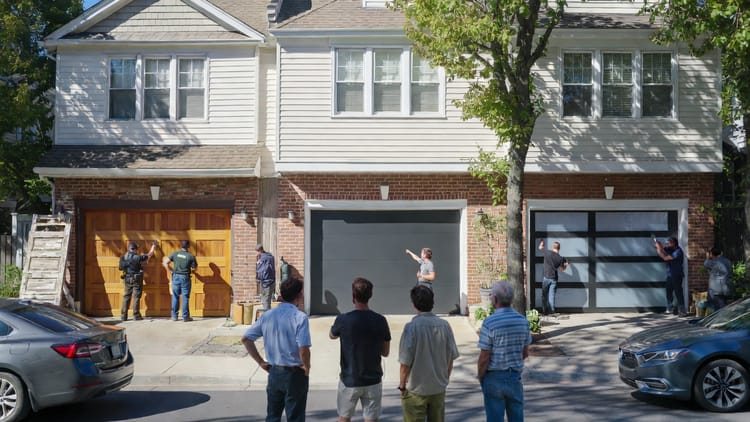
- Annual Professional Inspection: Schedule a yearly tune-up to catch hidden issues, ensuring compliance with safety standards and prolonging system life.
These guidelines empower you to maintain a hazard-free space. By adopting them, you're not just reacting to problems—you're preventing them.
Advanced Tips for Enhanced Security and Efficiency
Beyond basics, consider these strategies to elevate your garage door safety and performance.
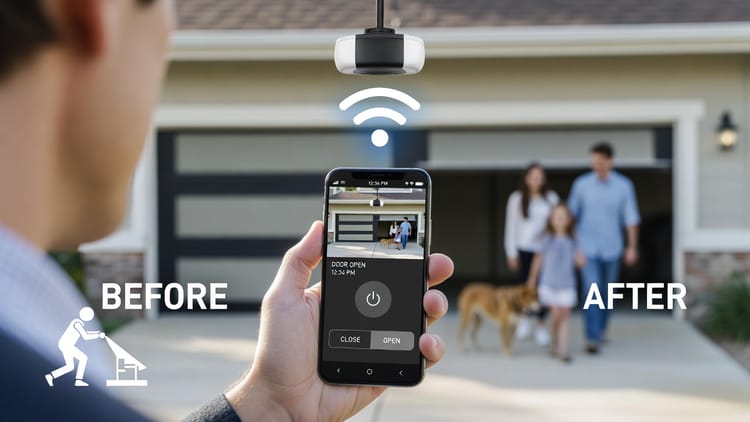
- Smart Technology Integration: Upgrade to smart openers with app controls for remote monitoring. Features like auto-close timers add convenience while bolstering security against forgetful moments.
- Insulation Upgrades: For energy savings, install insulated panels. This maintains garage temperature, protects stored items, and contributes to home efficiency without compromising maintenance.
- Battery Backup Systems: In areas prone to outages, a backup ensures operation during emergencies, keeping your security intact.
- Custom Safety Features: For families with young kids, add edge sensors or audible alarms for extra layers of protection.
Implementing these can transform your garage door from functional to fortified.
Common Myths Debunked
Misinformation can undermine garage door maintenance efforts. Let's clarify a few.
- Myth: Garage doors don't need lubrication. Reality: Regular lubrication is essential for smooth operation and to prevent premature wear.
- Myth: All noises are normal. Reality: Persistent sounds often signal issues requiring attention to maintain safety.
- Myth: DIY is always cheaper. Reality: Botched repairs can lead to higher costs and risks—professionals save in the long run.
Armed with facts, you're better equipped to care for your system.
Conclusion: Commit to Safety and Reliability
Maintaining garage door safety through consistent maintenance, sensor vigilance, and timely repairs is an investment in your home's well-being. By recognizing signs of trouble and avoiding perilous DIY attempts like spring repairs, you safeguard your loved ones and property. Remember, a well-maintained door operates smoothly, securely, and efficiently.
Safety Sensors Not Working? Call for Immediate Professional Service