Garage Door Care 101: Maintenance, Safety Checks, and When to Call a Pro
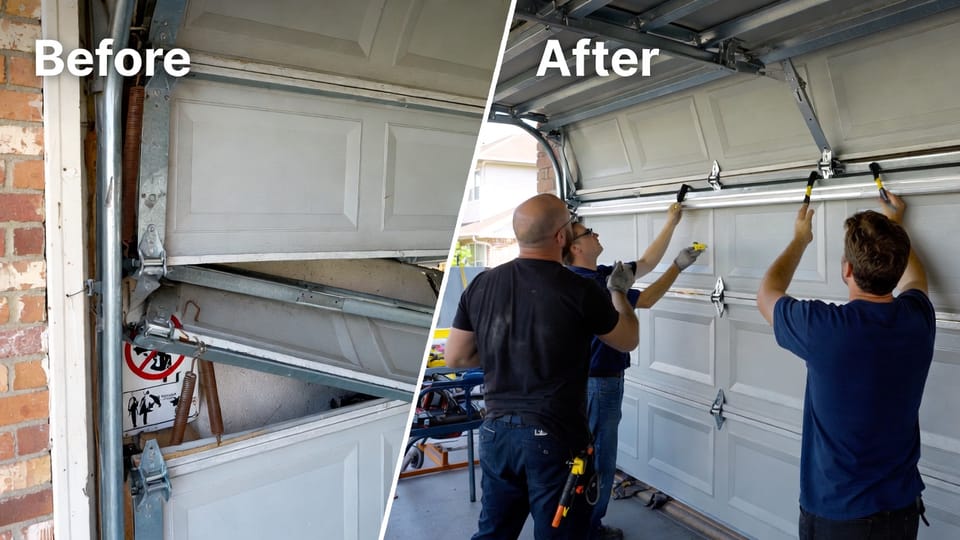
Your garage door is more than just an entry point—it's a critical component of your home's security, convenience, and overall safety. Regular garage door maintenance not only extends its lifespan but also prevents costly breakdowns and potential accidents. In this comprehensive guide, we'll explore essential DIY maintenance practices, vital safety checks, and unmistakable signs that it's time to bring in the professionals. Whether you're a seasoned homeowner or new to home upkeep, following these steps can keep your garage door operating smoothly and safely. Rest assured, with the right knowledge, you can handle many tasks yourself while knowing when expert help is essential.
Protect Your Home & Family – Schedule Service Now
Why Prioritize Garage Door Safety and Maintenance?
Garage doors are heavy, mechanical systems that endure daily wear and tear. Weighing anywhere from 150 to 400 pounds, a malfunctioning door poses serious safety risks, including injuries from falling doors or entrapment. According to industry standards, proper upkeep reduces these hazards significantly, ensuring peace of mind for you and your family.
Regular maintenance also boosts energy efficiency by sealing out drafts and enhances your home's curb appeal. By investing just a few hours seasonally, you can avoid emergency repairs that might cost hundreds or even thousands. Think of it as proactive care—much like servicing your car—to maintain reliability. In the sections ahead, we'll break down actionable steps, empowering you to take control confidently.
Essential DIY Maintenance: Keeping Things Running Smoothly
Starting with the basics, DIY garage door maintenance focuses on simple, accessible tasks that don't require specialized tools. These routines can be performed monthly or seasonally, depending on usage and climate. Always disconnect the power to the opener before beginning any work to prioritize safety.
Visual Inspections: Spot Issues Early
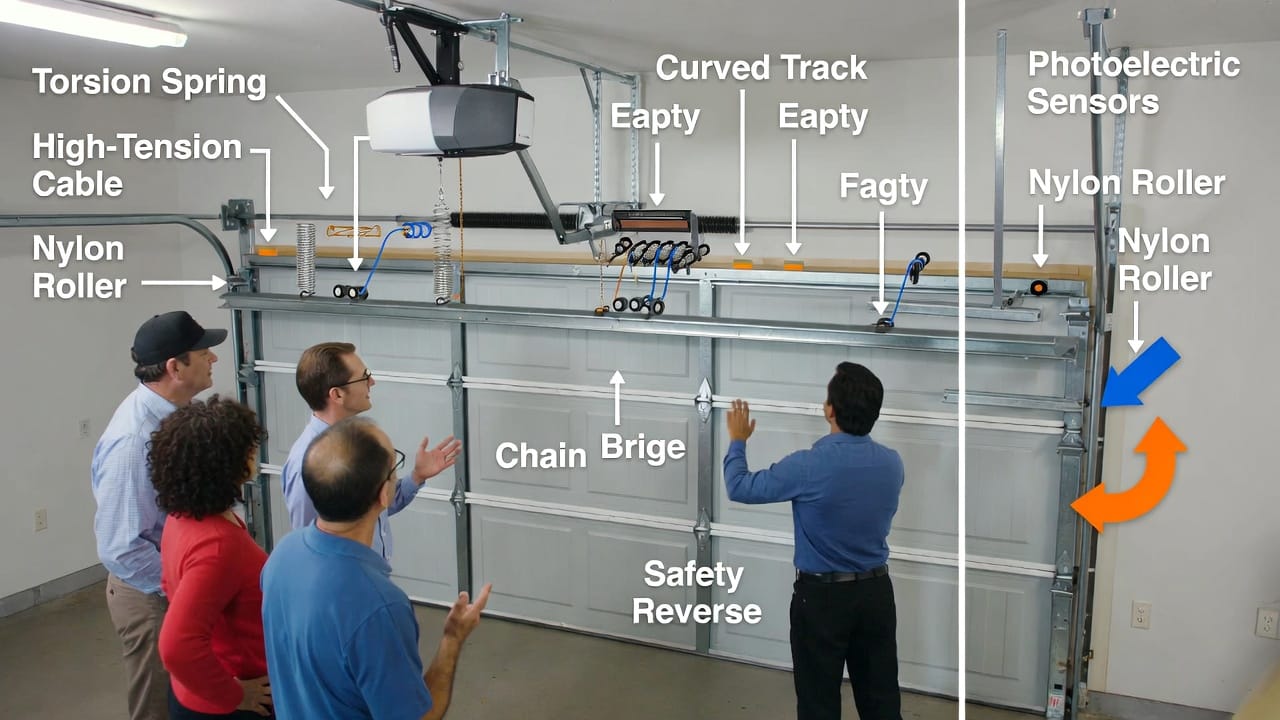
A thorough visual inspection is your first line of defense. Stand inside the garage with the door closed and examine key components for signs of wear.
- Check the tracks: Look for bends, dents, or debris that could cause misalignment. Clean them with a damp cloth if needed, but avoid lubricating tracks as it attracts dirt.
- Inspect rollers and hinges: These should move freely without excessive noise. Note any chipping, cracking, or flat spots on nylon or steel rollers.
- Examine cables and pulleys: Frayed cables are a red flag for imminent failure—never attempt to adjust them yourself, as they hold tremendous tension.
- Assess weatherstripping: Ensure the bottom seal is intact to prevent water intrusion and pests.
If you spot minor issues like loose bolts, tighten them with a socket wrench. This quick check, done monthly, can prevent small problems from escalating into major repairs.
Lubrication: The Key to Quiet Operation
Proper lubrication reduces friction, noise, and wear on moving parts. Use a silicone-based or lithium grease spray designed for garage doors—avoid WD-40, as it can degrade components over time.
- Rollers: Apply lubricant to the bearings inside the rollers, wiping away excess to prevent drips.
- Hinges: Spray the pivot points where hinges connect to the door panels.
- Springs: Lightly coat torsion or extension springs, but only if they're not rusted; rusty springs signal a need for professional replacement.
- Locks and latches: If your door has manual locks, lubricate them for smooth engagement.
Perform this every three to six months, or more frequently in harsh weather conditions. You'll notice immediate improvements in operation, making your garage door feel brand new.
Balance Testing: Ensure Even Weight Distribution
A well-balanced garage door should stay in place when manually lifted halfway. To test:
- Disconnect the opener by pulling the release cord.
- Lift the door to waist height and release—if it drifts up or down, it's unbalanced, often due to worn springs.
- Reconnect the opener after testing.
Imbalance strains the opener and increases safety risks. If unbalanced, don't adjust springs yourself; call a pro immediately.
Critical Safety Checks: Protecting Your Family
Safety features are non-negotiable in modern garage doors. Federal regulations mandate photoelectric sensors and auto-reverse mechanisms to prevent accidents. Testing these monthly ensures compliance and protection.
Testing Safety Sensors
Safety sensors are the infrared eyes near the floor on either side of the door. They detect obstacles and reverse the door if blocked.
- Place a sturdy object, like a roll of paper towels, in the door's path.
- Close the door using the remote—if it doesn't reverse upon contact, the sensors may be misaligned or dirty.
- Clean lenses with a soft cloth and realign if needed, ensuring they're facing each other directly.
Misaligned sensors are a common issue but easily fixed. If cleaning doesn't resolve it, faulty wiring might be the culprit—time for professional diagnostics.
Auto-Reverse Functionality
The auto-reverse feature engages if the door encounters resistance while closing.
- For mechanical testing: Lay a 2x4 board flat on the ground under the door. Close the door—if it doesn't reverse upon hitting the board, adjust the opener's force settings per the manual.
- For opener-specific tests: Consult your model's guide, as some have built-in diagnostics.
Regular testing prevents entrapment injuries, especially crucial in homes with children or pets. If auto-reverse fails, cease use until repaired.
Recognizing Signs of Serious Problems
Even with diligent maintenance, components like springs and openers have finite lifespans. Knowing the warning signs allows you to act swiftly, avoiding disasters.
Indicators of Spring Failure
Garage door springs counterbalance the door's weight, lasting 10,000–20,000 cycles on average. Watch for:
- Loud banging noises: A snapped spring often sounds like a gunshot.
- Uneven door movement: One side sagging indicates a broken torsion spring.
- Door won't open: Complete failure leaves the door immovable.
- Visible gaps or breaks: Inspect springs for separation or rust.
Springs under high tension are extremely dangerous—never DIY repairs. Professional replacement ensures safe handling and proper calibration.
Symptoms of Opener Malfunction
The garage door opener is the motor that powers automation. Common red flags include:
- Grinding or humming sounds: Suggest worn gears or chain issues.
- Intermittent operation: Door stops midway or reverses unexpectedly.
- Slow response: Delays in opening/closing point to motor fatigue.
- Flashing lights or error codes: Many models signal problems via LED indicators.
If basic troubleshooting like replacing batteries or reprogramming remotes doesn't help, opener failure could stem from electrical faults or stripped drive mechanisms.
When to Call a Professional: Don't Risk It
While DIY maintenance handles routine care, certain scenarios demand expert intervention. Professionals have the tools, training, and insurance to manage high-risk repairs safely.
- Any spring or cable work: These components can cause severe injuries if mishandled.
- Opener replacements: Involves electrical wiring and precise alignment.
- Structural damage: Bent tracks or panels require specialized equipment.
- Persistent noises or vibrations: Could indicate deeper issues like foundation shifts.
- Post-accident assessments: After a vehicle impact, ensure no hidden damage.
Choosing a reputable service provider guarantees quality parts and warranties. Look for certified technicians with positive reviews and transparent pricing.
Building a Routine: Your Garage Door Maintenance Checklist
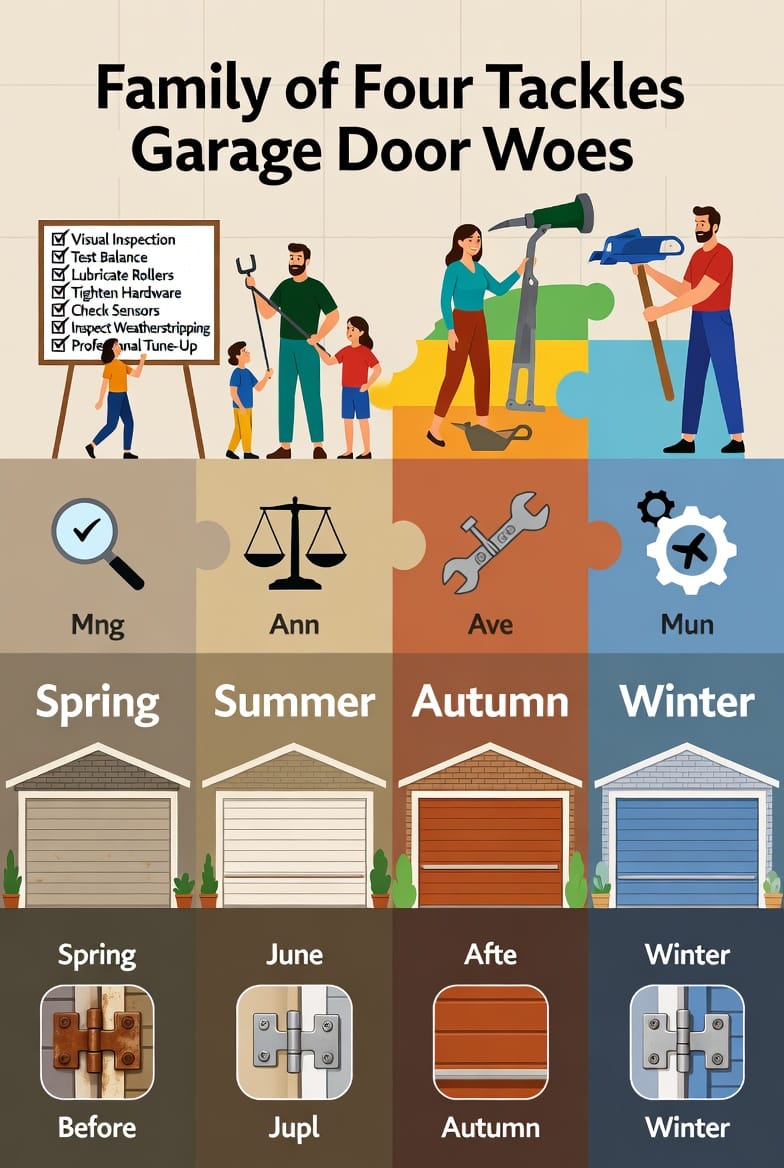
To make upkeep effortless, follow this seasonal checklist:
- Spring: Full visual inspection, lubricate all moving parts, test balance and sensors.
- Summer: Clean tracks and weatherstripping, check for heat-related expansion issues.
- Fall: Inspect for rust from moisture, tighten hardware, test auto-reverse.
- Winter: Ensure lubrication withstands cold, monitor for ice buildup affecting operation.
Document your checks in a log for reference. Consistency here transforms maintenance from a chore into a habit, safeguarding your investment.
Conclusion: Secure Your Home with Confidence
Mastering garage door care empowers you to maintain safety, efficiency, and longevity. By incorporating regular visual inspections, lubrication, and safety checks, you'll minimize risks and enjoy seamless operation. Remember, spotting signs of spring failure or opener malfunction early can prevent emergencies. Our team is ready to provide expert, reliable assistance tailored to your needs.
Safe Operation Guaranteed – Contact Pros Immediately