Extending the Life of Your Concrete: Repair, Resurfacing, and Proper Sealing
Concrete is a cornerstone of modern homes and properties, providing durable foundations for driveways, patios, sidewalks, and more. Yet, over time, even the toughest concrete can show signs of wear from weather exposure, heavy use, or shifting soil. The good news is that with timely intervention, you can extend its lifespan significantly, avoiding costly replacements. In this comprehensive guide, we'll explore proven strategies for concrete maintenance, including repairs like crack filling and mudjacking, the transformative power of resurfacing, and the essential role of professional sealing. Drawing from years of hands-on expertise, we'll help you make informed decisions to keep your concrete looking and performing its best.
Cracks Fixed, Surfaces Sealed – Get Your Free Evaluation!
Whether you're dealing with minor cracks or extensive damage, understanding these options empowers you as a homeowner. Let's dive into how you can restore strength and beauty to your concrete surfaces.
Understanding Concrete Damage: The First Step
Before jumping into solutions, it's crucial to assess the extent of the damage. Concrete issues often stem from natural settling, freeze-thaw cycles, or poor initial installation. Common signs include cracks, uneven surfaces, spalling (flaking), or discoloration. Ignoring these can lead to bigger problems, like water infiltration that weakens the structure over time.
- Small surface cracks: Often cosmetic but can worsen if untreated.
- Heaving or sinking slabs: Indicative of soil issues beneath.
- Pitting and erosion: Caused by de-icing salts or heavy traffic.
By identifying these early, you can choose the most effective repair method. Rest assured, most concrete problems are fixable without a full overhaul, saving you time and money.
Differentiating Repair Options: Crack Filling vs. Mudjacking vs. Full Replacement
Not all concrete repairs are created equal. Selecting the right approach depends on the damage's severity and location. Here's a clear breakdown to guide your choices.
Crack Filling: A Quick and Effective Fix
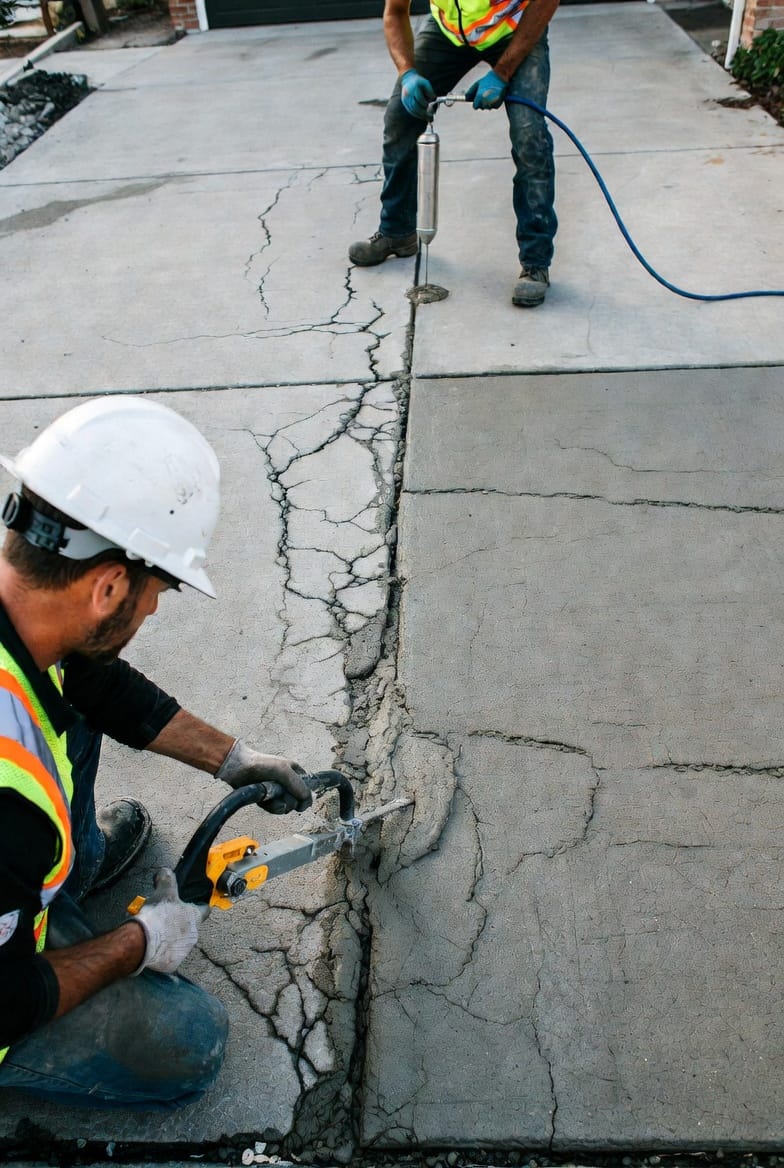
Crack filling is ideal for minor to moderate fissures that haven't compromised the slab's integrity. This method involves cleaning the crack, then injecting a flexible sealant or epoxy to prevent water entry and further expansion.
- Benefits: Prevents moisture damage, restores appearance, and is cost-effective for hairline cracks up to 1/4 inch wide.
- Process: Professionals use specialized tools to widen the crack slightly for better adhesion, apply the filler, and smooth it out.
- When to choose it: For driveways or patios with isolated cracks, especially in high-traffic areas.
Unlike temporary patches, quality crack filling provides long-term protection, often lasting 5-10 years with proper care. It's a reassuring option for homeowners seeking minimal disruption.
Mudjacking: Lifting and Leveling Sunken Slabs
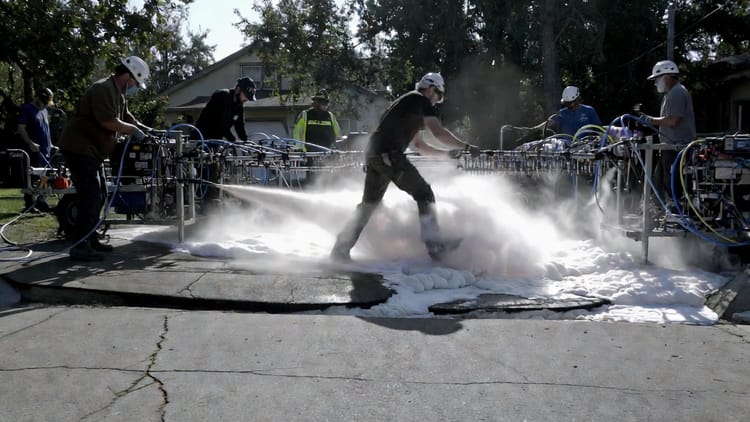
For uneven concrete caused by voids or soil erosion, mudjacking (also known as slabjacking) offers a non-invasive lift. This technique pumps a slurry mixture—typically cement, sand, and water—under the slab through small holes to raise it back to level.
- Advantages over alternatives: Less expensive than replacement (up to 50% savings), quick (often completed in a day), and eco-friendly by reusing existing concrete.
- Limitations: Best for slabs with good structural integrity; not suitable for severely cracked or thin surfaces.
- Ideal scenarios: Sunken driveways, garage floors, or sidewalks where settling has occurred due to poor drainage.
With mudjacking, you regain a safe, even surface without the mess of demolition. Our experts recommend it as a first-line defense against trip hazards.
Full Replacement: When It's Truly Necessary
In cases of extensive damage, such as large cracks wider than 1/2 inch, severe crumbling, or repeated failures from previous repairs, full replacement might be the only viable option. This involves removing the old concrete and pouring a new slab.
- Key indicators: Widespread structural failure, deep frost heave damage, or contamination from chemicals.
- Pros: Provides a fresh start with modern reinforcements like fiber mesh for added durability.
- Cons: Higher cost and longer downtime, often requiring heavy equipment.
While intimidating, replacement ensures longevity—up to 30 years or more. However, it's rarely the first choice; most issues can be addressed with less invasive methods.
By comparing these—crack filling for surface issues, mudjacking for leveling, and replacement as a last resort—you can tailor the solution to your needs, extending your concrete's life efficiently.
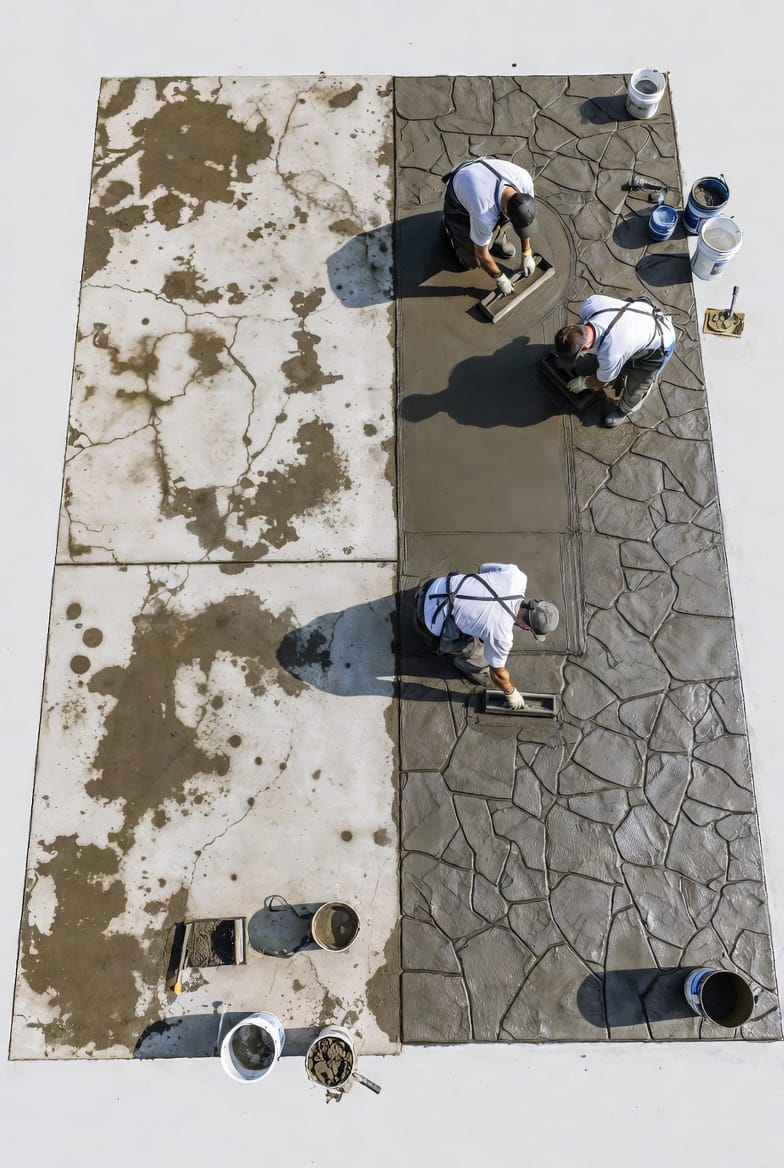
The Benefits of Decorative Resurfacing: Beyond Basic Repairs
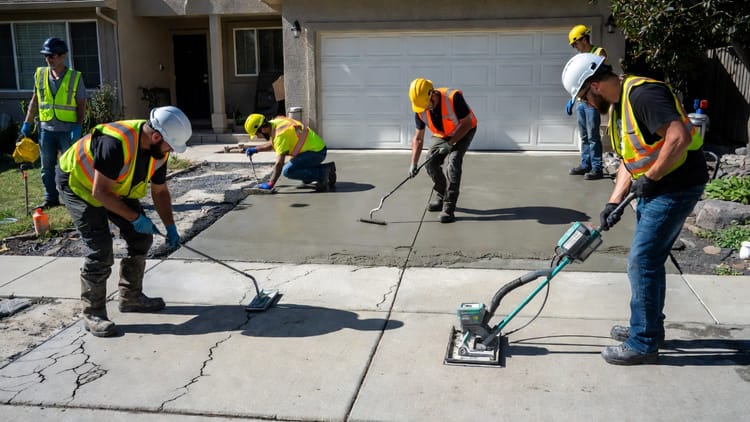
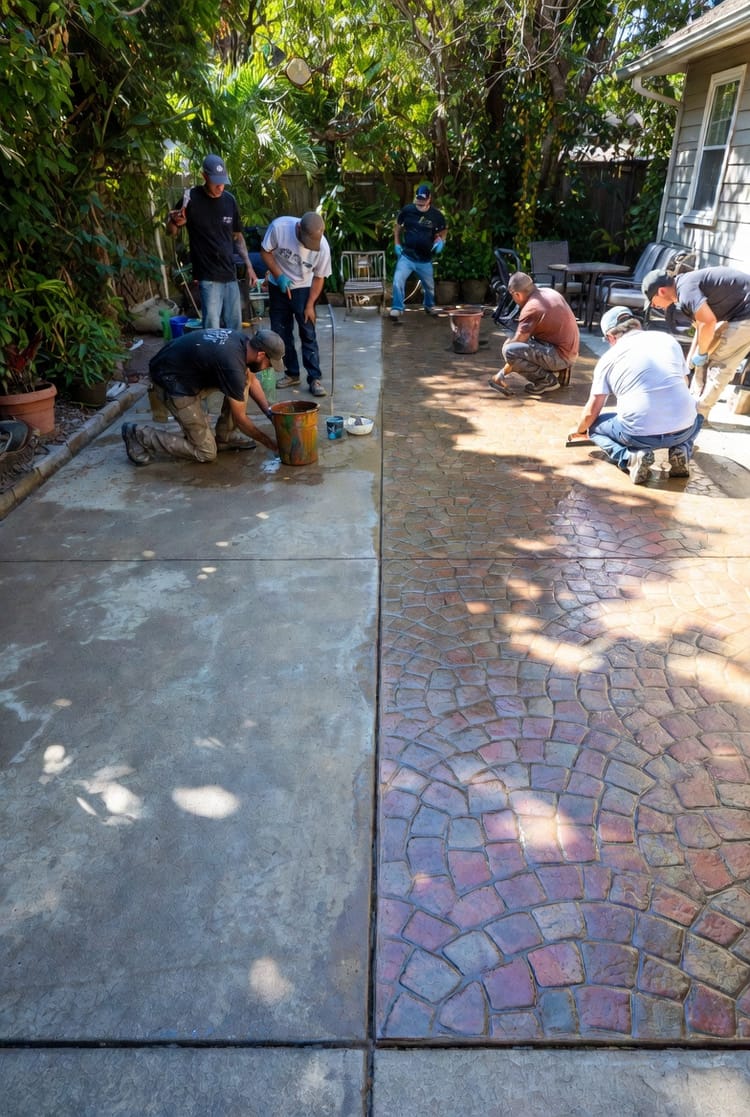
Once repairs are in place, why stop at functionality? Decorative resurfacing elevates your concrete from ordinary to extraordinary, combining repair with aesthetic enhancement. This involves applying a thin overlay (1/8 to 1/4 inch) of polymer-modified cement that can be stamped, stained, or textured to mimic materials like brick, stone, or wood.
Aesthetic and Practical Advantages
- Customization: Choose patterns and colors to match your home's style, turning a plain driveway into a focal point.
- Durability boost: The overlay adds a protective layer, resisting stains, UV fading, and abrasion better than plain concrete.
- Cost savings: Often 30-50% less than installing new pavers or tiles, while covering imperfections seamlessly.
Homeowners love how resurfacing hides old scars while providing a slip-resistant surface ideal for poolsides or walkways. It's not just repair—it's an investment in curb appeal.
Creative Applications
From acid-stained patios that glow with earthy tones to stamped overlays on garage floors for a rustic look, the possibilities are endless. Our original approach emphasizes blending functionality with design, ensuring the result withstands daily use while impressing guests.
In essence, decorative resurfacing isn't merely cosmetic; it reinforces the concrete, preventing future damage and adding value to your property.
The Crucial Role of Professional Sealing: Your Concrete's Shield
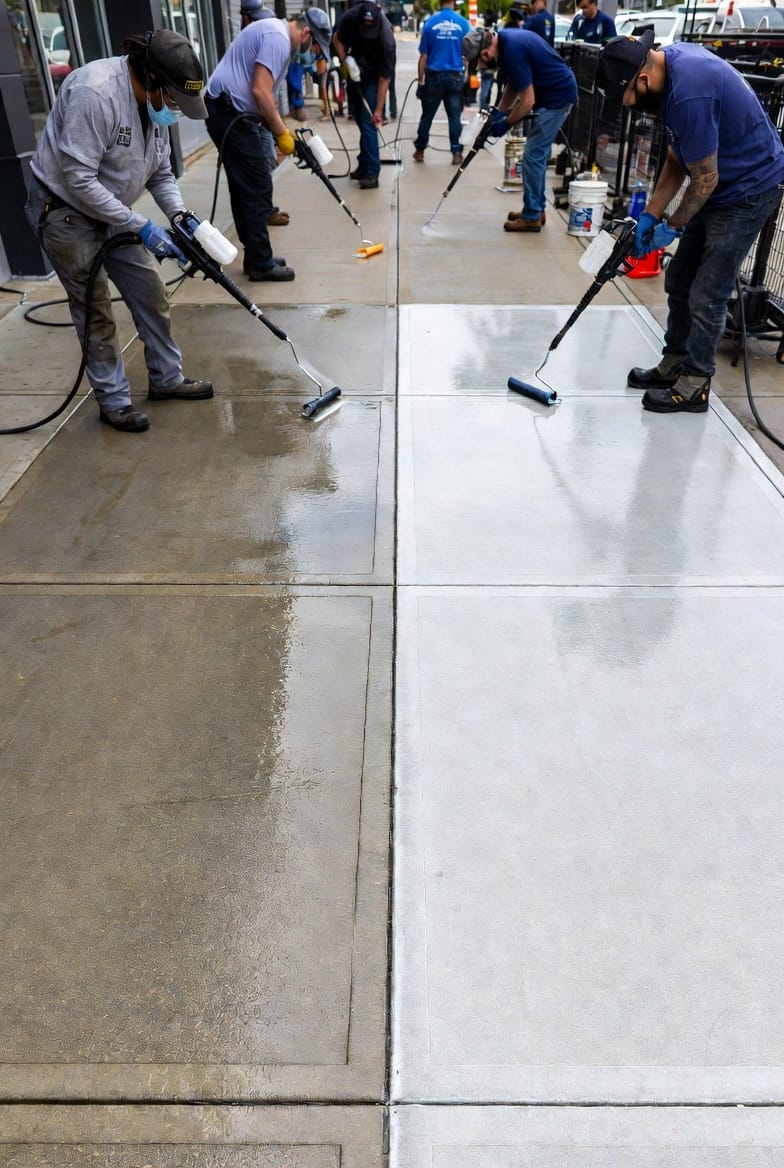
No repair or resurfacing is complete without professional sealing. Sealers create a barrier against water, chemicals, and environmental stressors, significantly prolonging your concrete's life.
Why Sealing Matters
- Moisture protection: Prevents water from seeping into pores, reducing freeze-thaw damage in colder climates.
- Stain resistance: Guards against oil, grease, and dirt, making cleanup easier.
- UV defense: High-quality sealers block fading, keeping colors vibrant in resurfaced areas.
Applied by experts, sealers come in types like acrylic (for a wet look) or penetrating silane (for natural matte finish). Reapplication every 2-5 years maintains optimal protection.
Expert Tips for Success
From our experience, always clean the surface thoroughly before sealing to ensure adhesion. Avoid DIY products that may yellow or peel; professionals use commercial-grade formulas for superior results. This step is reassuringly simple yet transformative, locking in your investment.
Maintenance Tips to Maximize Longevity
To keep your repaired, resurfaced, and sealed concrete thriving, incorporate these habits:
- Regular cleaning: Sweep debris and hose down surfaces weekly to prevent buildup.
- Prompt attention: Address new cracks immediately to avoid escalation.
- Seasonal checks: Inspect for damage after winter thaws or heavy rains.
- Avoid harsh chemicals: Use mild detergents instead of acid-based cleaners.
These practices, combined with professional interventions, can double your concrete's usable life.
Cost Considerations and ROI
Investing in concrete care yields strong returns. Crack filling might cost $5-15 per linear foot, mudjacking $3-10 per square foot, and resurfacing $4-12 per square foot—far less than replacement at $6-20 per square foot. Over time, these save on energy bills (better insulation) and increase home value by up to 5-10%.
Choosing the Right Professionals
Look for experienced teams with a track record of quality work. Ask about warranties, materials used, and timelines. A thorough evaluation ensures the best plan for your specific needs.
In summary, extending your concrete's life through targeted repairs, creative resurfacing, and diligent sealing is achievable and rewarding. With the right approach, you'll enjoy safe, attractive surfaces for years to come.
Protect Your Investment – Get Professional Concrete Care Now!