Exclusion First: The Permanent, Chemical-Reduced Strategy for Home Pest Defense
In today's environmentally conscious world, homeowners are increasingly seeking sustainable solutions to common household problems. Pest control is no exception. Traditional methods often rely heavily on chemical pesticides, which can pose risks to health, pets, and the ecosystem. But what if there was a way to defend your home against pests that prioritizes prevention over reaction? Enter the exclusion-first strategy—a proactive, long-term approach that seals off entry points and modifies your property to make it inhospitable to unwanted invaders. This method not only reduces the need for ongoing chemical treatments but also promotes a healthier living environment.
Go Chemical-Free with Exclusion – Schedule Your Assessment Now
By focusing on structural exclusion, you create a permanent barrier that addresses the root causes of infestations. Imagine fewer calls to exterminators, lower costs over time, and peace of mind knowing your home is fortified naturally. In this comprehensive guide, we'll explore the philosophy behind exclusion, detail practical techniques, and highlight how it minimizes reliance on chemicals. Whether you're dealing with ants, rodents, or spiders, adopting this strategy can transform your pest management routine.
Understanding the Exclusion Philosophy
At its core, exclusion is about outsmarting pests before they become a problem. Unlike reactive treatments that target pests after they've entered, exclusion prevents access altogether. This philosophy aligns with integrated pest management (IPM) principles, which emphasize non-chemical methods as the first line of defense.
Pests enter homes through tiny gaps—often invisible to the untrained eye. A crack as small as 1/16 inch can invite ants or mice inside. By sealing these vulnerabilities, you eliminate the need for frequent pesticide applications. Studies from pest management experts show that homes with proper exclusion see up to 80% fewer infestations, reducing chemical exposure significantly.
This approach is reassuring because it's empowering. Homeowners gain control over their environment without harsh interventions. It's authoritative in its effectiveness, backed by decades of professional practice. Plus, it's eco-friendly, preserving beneficial insects and reducing runoff pollution from chemicals.
Why Chemicals Should Be a Last Resort
Chemical pesticides, while effective short-term, come with drawbacks. They can lead to pest resistance, where survivors breed stronger generations. Health risks include respiratory issues or skin irritation, especially for children and pets. Environmentally, they harm pollinators like bees.
Exclusion flips the script: By minimizing entry, you reduce pest populations naturally. When chemicals are needed, they're used sparingly and targeted, extending their efficacy and safety.
Key Techniques for Structural Exclusion
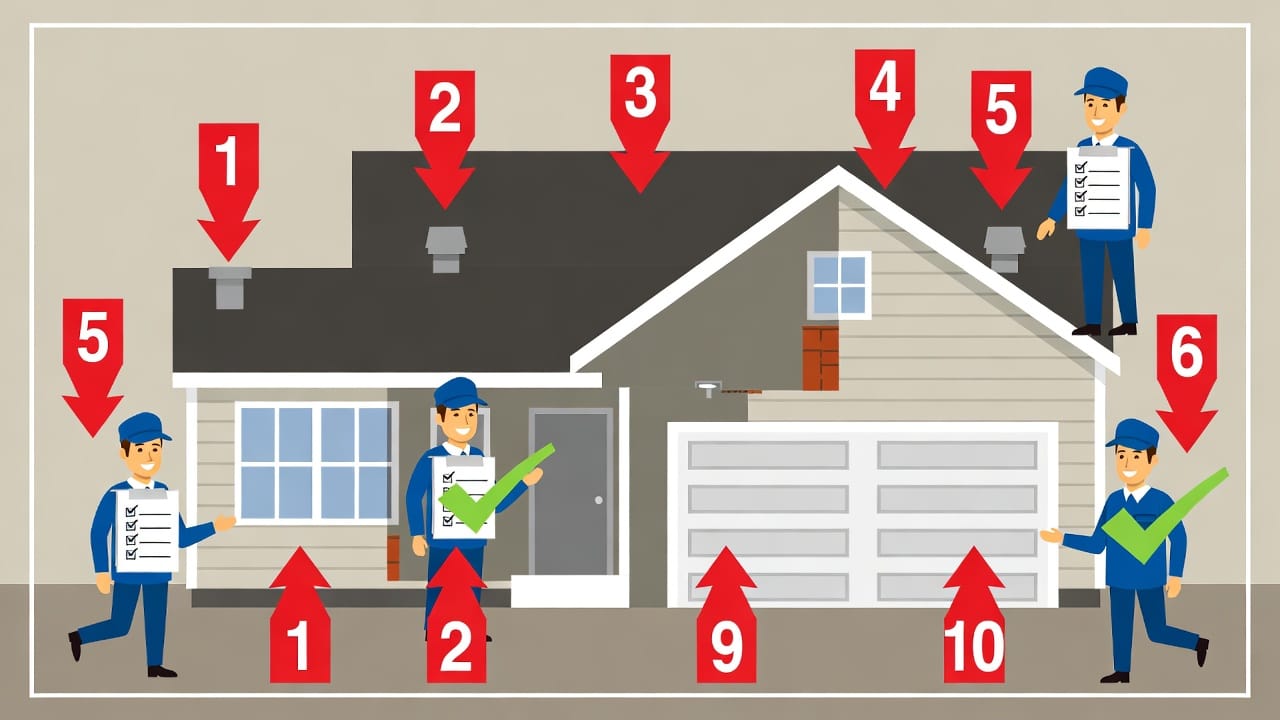
Implementing exclusion starts with a thorough inspection. Look for gaps around doors, windows, pipes, and foundations. Here's how to tackle them step by step.
Sealing Cracks and Gaps
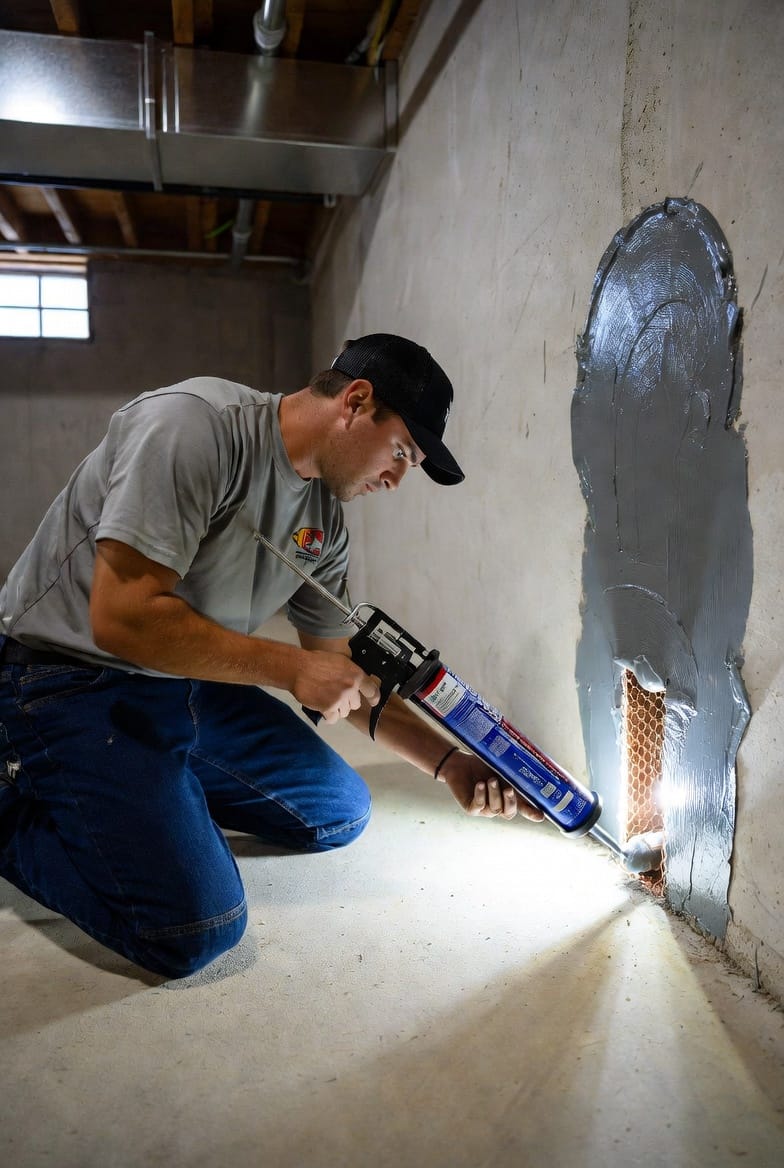
The foundation of exclusion is sealing. Use weather-resistant materials like caulk, foam, or metal mesh to close off potential entry points.
- Doors and Windows: Install door sweeps and weatherstripping. Ensure screens are intact and fit snugly.
- Utility Entries: Pipes and wires often create holes. Fill them with steel wool or copper mesh, then seal with silicone caulk for durability.
- Foundation Cracks: Repair with concrete patch or epoxy. Even hairline fractures can be gateways for termites.
Professionals use tools like infrared cameras to detect hidden gaps, ensuring nothing is missed.
Installing Screens and Barriers
Screens aren't just for windows—they're versatile barriers.
- Vents and Chimneys: Cover with fine-mesh screens to block rodents and insects while allowing airflow.
- Attic and Crawl Spaces: Use hardware cloth to secure openings, preventing squirrels or bats from nesting.
- Drains and Gutters: Install guards to stop pests from climbing up or nesting in debris.
These installations are straightforward yet transformative, turning vulnerable areas into fortified zones.
Modifying Landscapes for Pest Resistance
Your yard plays a crucial role in pest defense. A cluttered landscape invites pests; a modified one repels them.
Yard Maintenance Essentials
Keep vegetation trimmed and away from your home's exterior. Overgrown bushes provide hiding spots for rodents.
- Mulch Management: Use inorganic mulch like gravel near foundations to deter termites, who thrive in moist wood chips.
- Water Control: Fix leaks and ensure proper drainage. Standing water attracts mosquitoes and other insects.
- Debris Removal: Clear leaf piles, wood stacks, and trash regularly to eliminate nesting sites.
These changes create a pest-resistant buffer zone around your home.
Plant Choices and Natural Deterrents
Opt for pest-repelling plants like marigolds or lavender. Avoid fruit trees near entrances, as fallen produce lures ants and wildlife.
Incorporate hardscaping elements, such as stone paths, to reduce moist soil areas favored by slugs and snails.
Benefits of Exclusion Over Chemical Reliance
Switching to exclusion yields multiple advantages.
Long-Term Cost Savings
Initial setup might involve some investment, but it pays off. Fewer pest outbreaks mean less spending on treatments. Homeowners report savings of 50-70% annually.
Health and Environmental Impact
Reduced chemicals mean safer air and soil. Families with allergies or sensitivities benefit greatly. It's a win for biodiversity too.
Enhanced Home Value
A pest-free home is more appealing to buyers. Exclusion measures often align with energy efficiency upgrades, like better insulation, adding dual benefits.
Common Pests and Exclusion Strategies
Tailor exclusion to specific threats.
Rodents: Mice and Rats
These gnawers exploit tiny holes. Seal with metal; they can't chew through it. Trim branches overhanging roofs to block aerial access.
Insects: Ants, Spiders, and Cockroaches
Caulk around baseboards and cabinets. Install door thresholds. Keep kitchens clean to remove food attractants.
Flying Pests: Wasps and Mosquitoes
Screen porches and repair eaves. Eliminate breeding sites like birdbaths with stagnant water.
DIY vs. Professional Exclusion
While DIY is tempting, professionals bring expertise.
When to Go DIY
For minor seals, like caulking windows, homeowners can handle it with quality materials from hardware stores.
The Professional Edge
Experts conduct comprehensive audits, using advanced tools for detection. They ensure compliance with building codes and provide warranties.
Hiring pros guarantees thoroughness, preventing costly oversights.
Integrating Exclusion with Other IPM Tactics
Exclusion shines brightest in IPM, combined with monitoring and minimal interventions.
Monitoring for Early Detection
Use traps or cameras to spot issues early, allowing targeted fixes without broad chemicals.
Cultural Controls
Habits like proper sanitation complement exclusion, starving pests of resources.
When Chemicals Are Necessary
If pests persist, use low-toxicity options like baits, applied judiciously after exclusion is in place.
Case Studies: Real-World Success
Consider a suburban home plagued by ants. After sealing entry points and clearing yard debris, infestations dropped to zero, with no chemicals needed for years.
Another example: A family with rodent issues installed mesh barriers and modified landscaping, achieving permanent relief and improved outdoor enjoyment.
These stories underscore exclusion's reliability.
Overcoming Challenges in Exclusion
Not every home is straightforward. Older structures may have more vulnerabilities.
Address by prioritizing high-risk areas first. Budget for phased implementations.
Weather can degrade seals; annual inspections maintain integrity.
Future-Proofing Your Home
As climates change, pests migrate. Exclusion adapts, offering resilient protection.
Incorporate smart tech, like automated vents, for enhanced control.
Conclusion: Embrace Exclusion for Lasting Peace
The exclusion-first strategy is more than a method—it's a mindset for sustainable living. By sealing, screening, and landscaping wisely, you minimize chemicals and maximize defense. It's reassuring to know such effective, low-impact options exist.
Prevent Infestations Permanently – Book Your Free Assessment