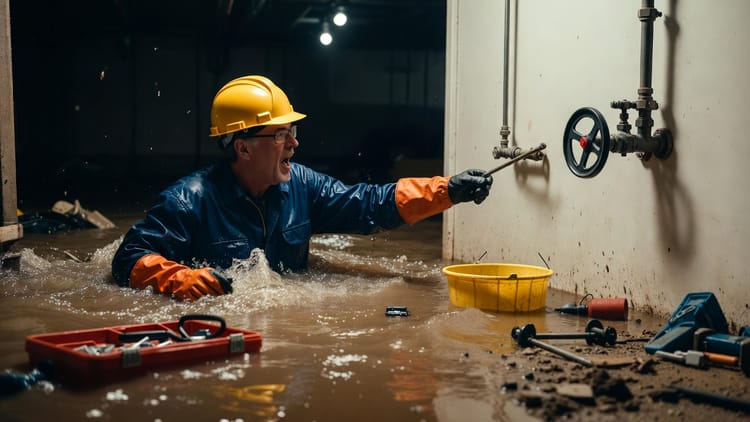
Emergency Water Damage Protocol: Why Speed and Professional Mitigation Matter
Water damage can strike unexpectedly, turning a minor leak into a major catastrophe if not addressed promptly. As a homeowner or business owner, understanding the emergency water damage protocol is crucial for protecting your property and health. In this comprehensive guide, we'll explore why acting fast is essential, the categories of water damage, the rapid timeline for mold growth, and the step-by-step professional restoration process. With our authoritative insights, you'll be equipped to handle such emergencies effectively.
Get Professional Water Damage Restoration Fast – Call Us
Understanding the Categories of Water Damage
Water damage isn't a one-size-fits-all issue; it's classified into three main categories based on the source and contamination level. Recognizing these helps in assessing risks and determining the appropriate response.
- Category 1: Clean WaterThis originates from sanitary sources like broken supply lines, overflowing sinks, or rainwater. While initially posing minimal health risks, it can escalate if left untreated, potentially degrading into higher categories.
- Category 2: Gray WaterSlightly contaminated water from sources such as washing machines, dishwashers, or toilet overflows (without feces). It contains chemicals or biological matter that can cause discomfort or illness if ingested or contacted.
- Category 3: Black WaterThe most hazardous, stemming from sewage backups, flooding from rivers or streams, or standing water with microbial growth. This type demands immediate professional intervention due to severe health threats from pathogens and toxins.
By identifying the category early, you can prioritize safety and mitigation strategies, minimizing long-term impacts on your structure and belongings.
The Critical 24-48 Hour Mold Growth Timeline
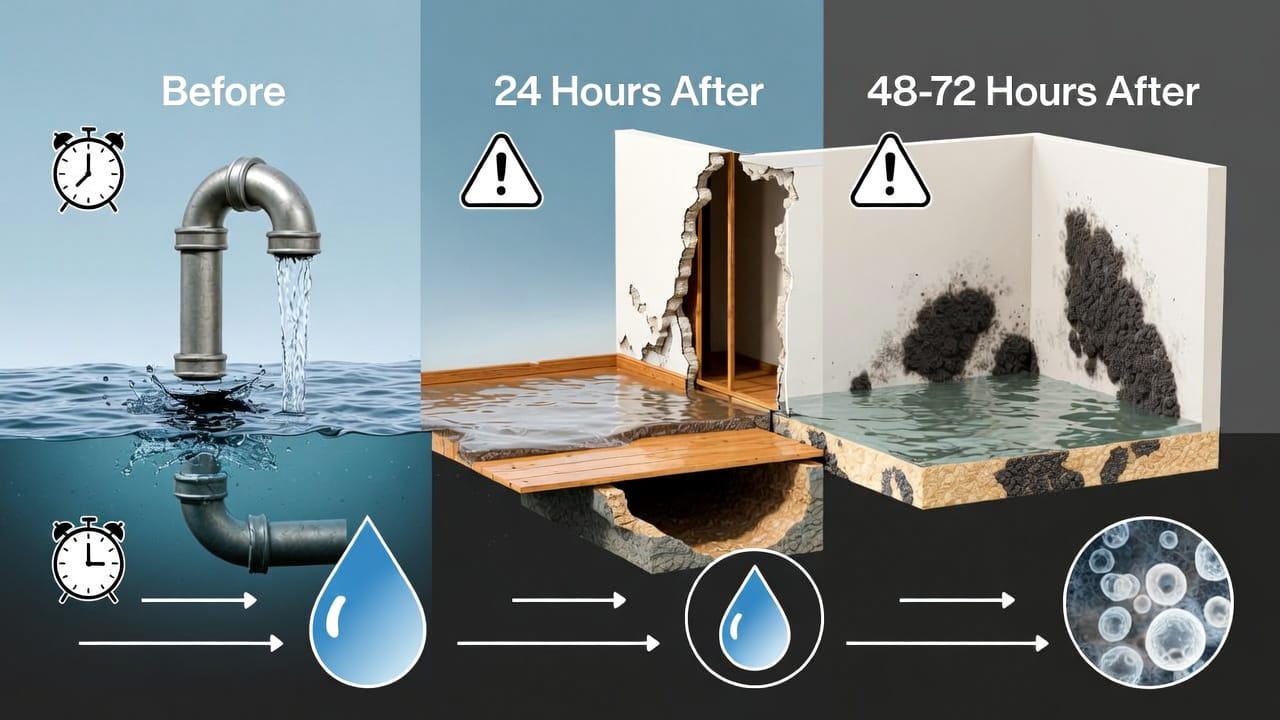
Time is your enemy in water damage scenarios. Mold can begin to grow within 24-48 hours of water exposure, transforming a manageable problem into a health hazard. Here's a breakdown of the timeline:
- 0-24 Hours: Initial SaturationWater soaks into porous materials like drywall, carpets, and wood. Visible signs include swelling, discoloration, and warping. At this stage, quick action can prevent escalation.
- 24-48 Hours: Mold OnsetWith moisture and organic materials present, mold spores activate and proliferate. Symptoms like musty odors emerge, and hidden growth behind walls accelerates.
- Beyond 48 Hours: Widespread DamageStructural integrity weakens, leading to rot and potential collapse. Health risks increase, including respiratory issues, allergies, and infections, especially for vulnerable individuals.
This rapid progression underscores the urgency: delaying response amplifies repair costs and health dangers. Professional assessment within the first day is key to halting this chain reaction.
Why Professional Mitigation is Non-Negotiable
Attempting DIY fixes might seem cost-effective, but water damage requires specialized knowledge and equipment. Professionals ensure thorough restoration, preventing recurring issues. Their expertise in water damage restoration guarantees compliance with industry standards, safeguarding your investment.
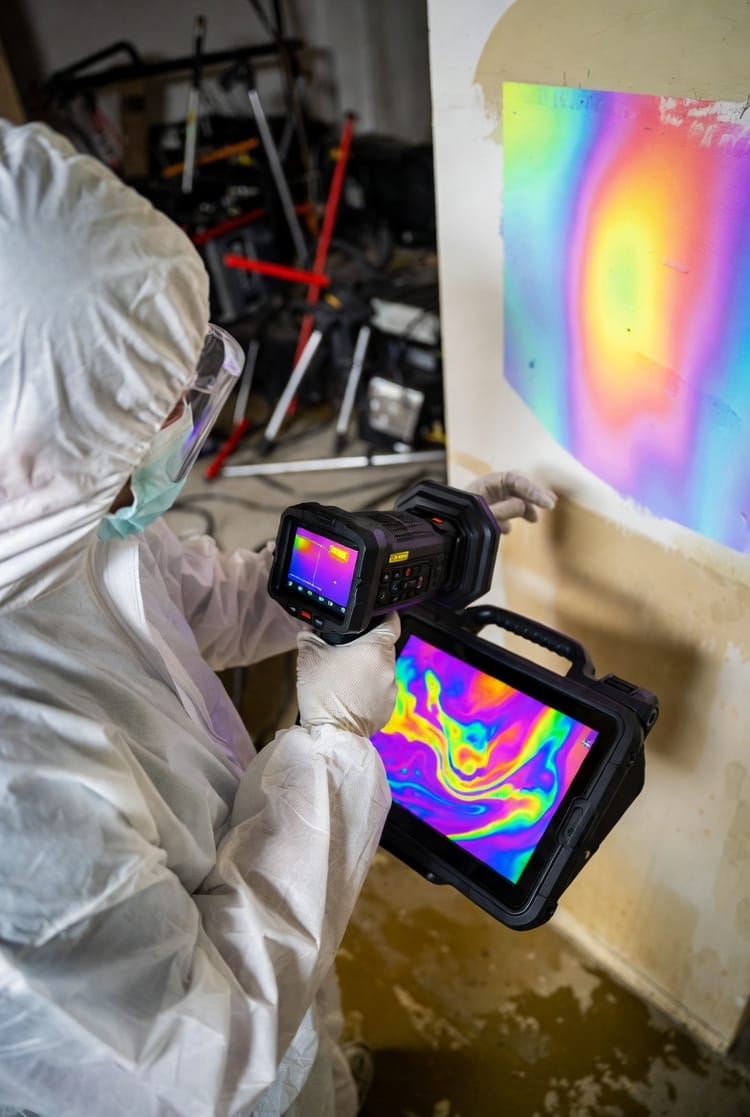
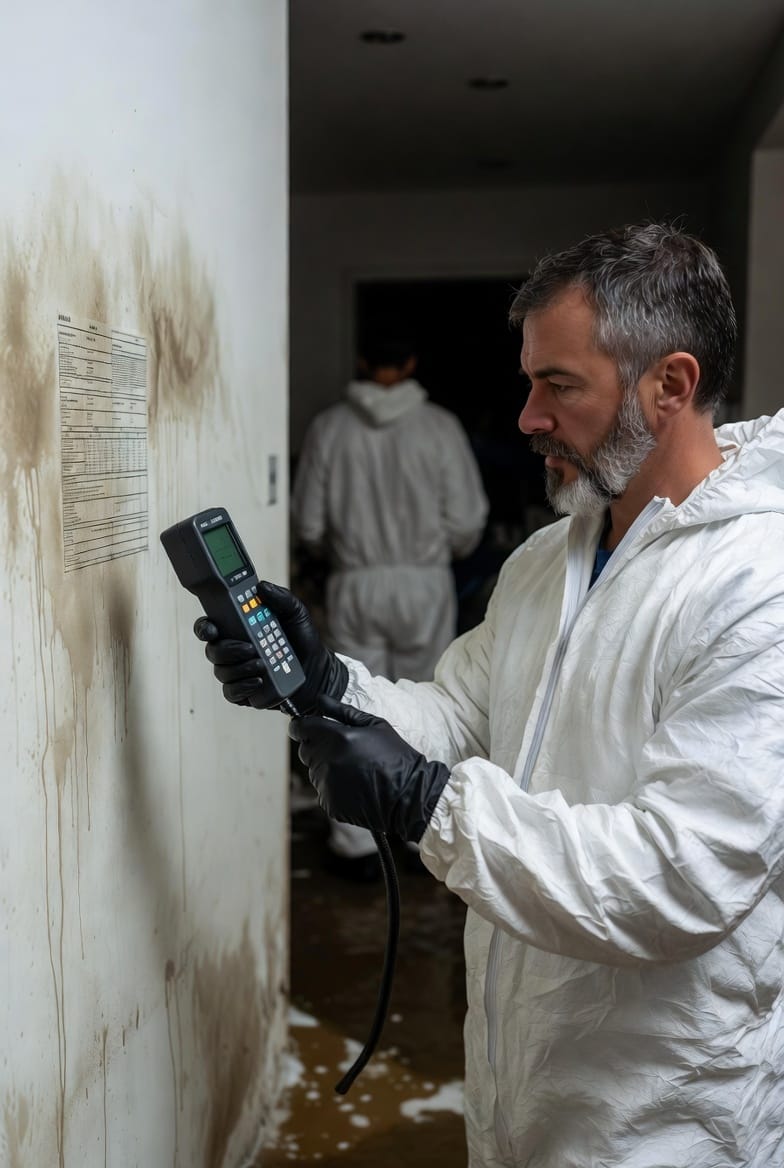
Professionals use advanced tools to detect hidden moisture, which amateurs often miss. This authoritative approach not only restores your property but also provides peace of mind through documented processes and insurance compatibility.
The Professional Restoration Process: Step by Step
The restoration journey involves meticulous steps to extract water, dry structures, dehumidify spaces, and sanitize affected areas. Let's delve into each phase for a clear understanding.
Step 1: Water Extraction
Immediate removal of standing water is paramount. Professionals employ powerful submersible pumps and industrial vacuums to eliminate visible water swiftly.
- Efficiency Matters: High-capacity equipment extracts gallons per minute, far surpassing household tools.
- Targeted Approach: They focus on hard-to-reach areas like under floors or behind walls to prevent residual moisture.
- Safety First: Electrical hazards are assessed, ensuring a secure environment during extraction.
This step halts further saturation, setting the stage for drying.
Step 2: Structural Drying
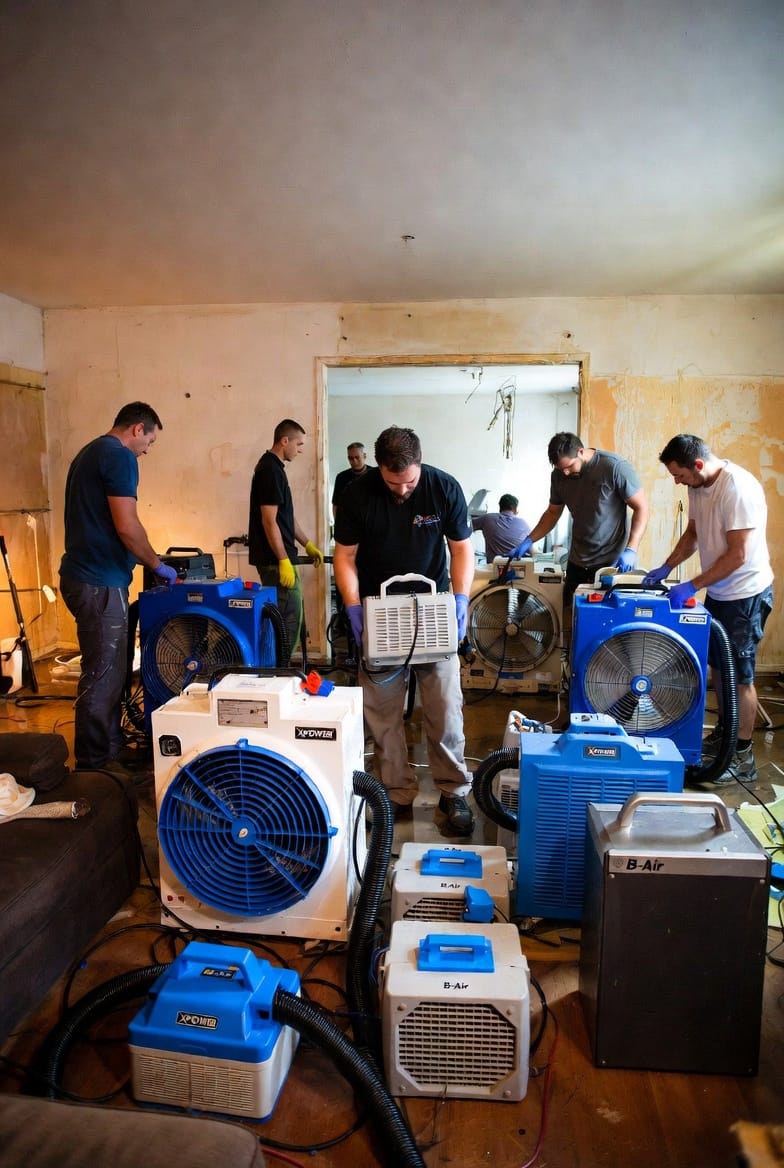
Once water is extracted, drying the building's framework begins. This involves air movement and temperature control to evaporate moisture from materials.
- Air Movers Deployment: High-velocity fans create airflow, accelerating evaporation from surfaces like walls and ceilings.
- Monitoring Progress: Technicians use hygrometers to track humidity levels, adjusting strategies as needed.
- Material-Specific Techniques: Wood, concrete, and insulation each require tailored drying methods to avoid cracking or warping.
Patience is key here; rushing can lead to incomplete drying and future problems.
Step 3: Dehumidification
To remove airborne moisture, dehumidifiers are essential. These machines condense water vapor, collecting it for disposal.
- Types of Dehumidifiers: Refrigerant models cool air to extract moisture, while desiccant ones use absorbing materials for low-temperature environments.
- Balanced Environment: Maintaining optimal humidity (30-50%) prevents mold while protecting undamaged areas.
- Energy Efficiency: Professional units are calibrated for large spaces, ensuring cost-effective operation.
This phase complements drying, creating a moisture-free atmosphere.
Step 4: Sanitization and Cleaning
Finalizing restoration, sanitization eliminates contaminants and odors.
- Antimicrobial Treatments: Applied to kill bacteria, fungi, and viruses, ensuring hygienic conditions.
- Content Cleaning: Salvageable items like furniture and documents are cleaned off-site if necessary.
- Odor Removal: Ozone generators or thermal fogging neutralize lingering smells from mold or sewage.
Thorough sanitization restores habitability, with professionals verifying air quality post-process.
Common Risks and How to Avoid Them
Ignoring water damage invites several risks, but proactive measures can mitigate them.
- Structural Compromise: Prolonged exposure weakens beams and foundations; regular inspections post-incident prevent this.
- Health Hazards: Mold and bacteria thrive in dampness; ventilation and prompt drying reduce exposure.
- Financial Burdens: Insurance claims soar with delays; documenting damage immediately aids coverage.
By partnering with certified restorers, you avoid these pitfalls, ensuring a resilient property.
The Importance of 24/7 Emergency Response
Emergencies don't adhere to business hours. A reliable 24/7 emergency water damage service provides rapid deployment, often within hours of your call. This swift action curtails damage spread, saving time and money.
Our team at [Your Company Name] embodies this commitment, equipped with the latest technology and trained experts ready to respond.
Reassuring Outcomes: Success Stories and Tips
Many clients have turned disasters into triumphs through professional help. For instance, a family facing basement flooding post-storm saw full restoration in days, avoiding mold entirely.
Tips for Prevention:
- Install sump pumps in prone areas.
- Maintain gutters and downspouts.
- Insulate pipes to prevent bursts.
These steps, combined with awareness, empower you against water threats.
SEO Keywords Integration for Better Visibility
Incorporating terms like emergency water mitigation, professional water damage repair, and mold prevention after flooding ensures this guide reaches those in need. Remember, knowledge is your first defense.
In conclusion, mastering the emergency water damage protocol involves recognizing categories, respecting the mold timeline, and trusting professionals for extraction, drying, dehumidification, and sanitization. With speed and expertise, recovery is not just possible—it's assured. Don't let water win; take control today.
Immediate Professional Help for Water Damage – Call Now