Dumpster Rental Simplified: Choosing Size, Navigating Rules, and Loading Tips
Embarking on a home renovation, yard cleanup, or roofing project can feel overwhelming, but dumpster rental simplifies the waste management process. As an experienced provider in the industry, we understand the challenges you face and are here to guide you with practical, reliable advice. This comprehensive guide will help you select the ideal dumpster size, comprehend essential rules like weight limits and prohibited items, and master loading tips for safety and efficiency. By the end, you'll feel confident in handling your project's cleanup phase without unnecessary stress or surprises.
Ready for Your Project? Get Your Dumpster Delivered – Call Today
Whether you're a homeowner tackling a DIY remodel or a contractor managing multiple sites, choosing the right dumpster ensures your project runs smoothly. We'll break it down step by step, drawing from real-world scenarios to make the information actionable. Remember, the key to success lies in planning ahead—assessing your debris volume, understanding local regulations, and loading smartly to avoid overage fees or hazards.
Understanding Dumpster Sizes: A Foundation for Success
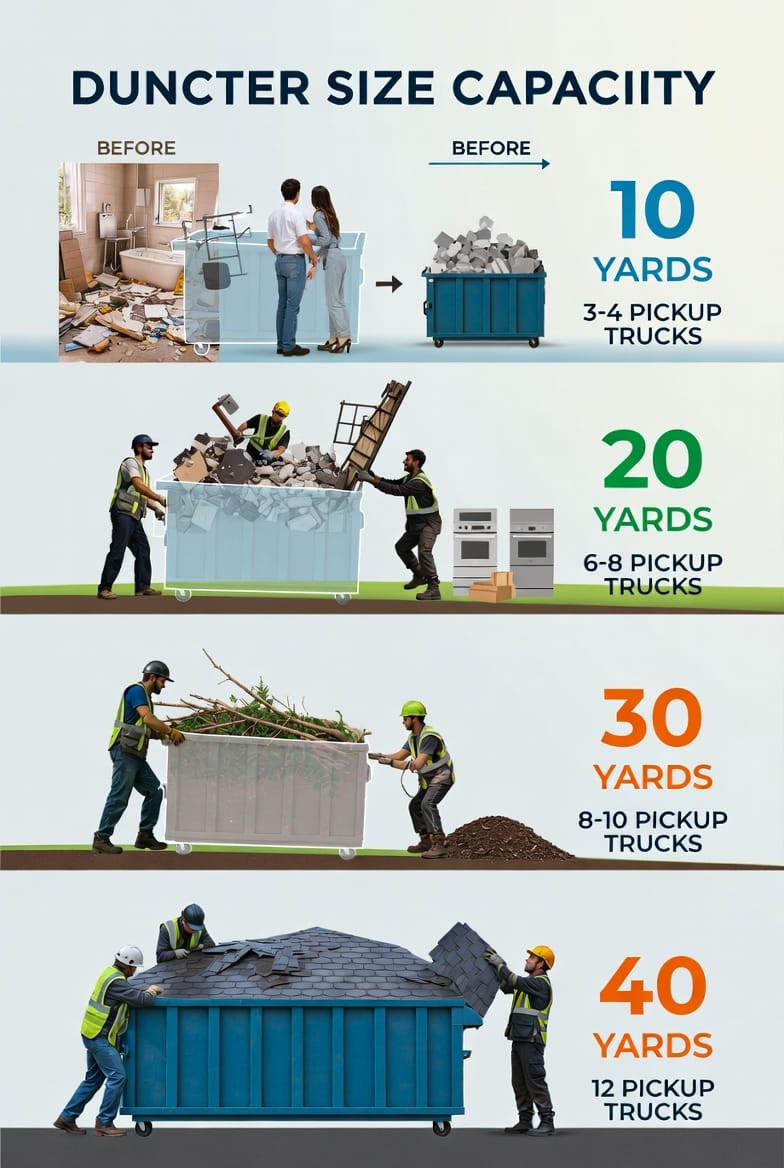
The first step in dumpster rental is determining the appropriate size. Dumpsters are measured in cubic yards, which represent the volume they can hold. Common sizes include 10-yard, 20-yard, 30-yard, and 40-yard options, each suited to different project scales. Underestimating your needs can lead to multiple hauls and extra costs, while overestimating wastes money on unused space. Let's explore how to match sizes to typical projects.
Selecting for Home Renovations
For home renovations, such as kitchen or bathroom updates, size selection depends on the scope. A small-scale project like refreshing a single room might generate 2-5 cubic yards of debris, including cabinets, tiles, and fixtures.
- 10-Yard Dumpster: Ideal for minor renovations, this compact option (about 12 feet long, 8 feet wide, and 3.5 feet high) fits in most driveways without obstructing traffic. It can handle debris from a small bathroom remodel, including vanities, toilets, and flooring. Think of it as equivalent to three pickup truck loads—perfect if space is limited.
- 20-Yard Dumpster: Step up for medium renovations, like a full kitchen gut. This size (typically 22 feet long, 8 feet wide, and 4 feet high) accommodates up to 20 cubic yards, roughly six pickup loads. It's versatile for removing countertops, appliances, and drywall without frequent emptying.
Larger renovations, such as adding a room or whole-house updates, may require 30- or 40-yard dumpsters. These handle extensive debris like framing lumber and insulation, ensuring you don't halt work mid-project.
Choosing for Yard Cleanup Projects
Yard cleanup often involves organic waste like branches, leaves, and soil, which can be bulky but lighter than construction materials. Seasonal cleanups or post-storm clearings benefit from dumpsters that allow easy access.
- 10- or 20-Yard Options: For routine yard work, a 10-yard is sufficient for trimming hedges or removing small trees. Upgrade to 20 yards for larger landscapes, where you might dispose of sod, dirt, and patio pavers. These sizes prevent overflow and keep your property tidy.
- 30-Yard Dumpster: Best for major landscaping overhauls, such as removing old fences or excavating for a pool. It holds about nine pickup loads, giving ample room for uneven loads like root balls.
Always factor in the density of materials—yard waste compacts well, so you might fit more than expected.
Sizing for Roofing Jobs
Roofing projects produce heavy, uniform debris like shingles and underlayment. Shingles alone can weigh 250-350 pounds per square (100 square feet), so weight considerations are crucial alongside volume.
- 20-Yard Dumpster: The go-to for most residential roofs. It manages 2,000-3,000 square feet of roofing material, equivalent to a typical two-story home. Position it near the roof edge for direct dumping via chutes.
- 30- or 40-Yard Dumpsters: For commercial roofs or large estates, these provide the capacity for 4,000+ square feet. They reduce trips to the landfill, saving time and labor.
Pro tip: Consult with your rental provider about expected debris weight to avoid surprises.
In summary, visualizing your project's waste helps immensely. If unsure, err on the side of larger—most companies offer flexible swaps if needed.
Navigating Dumpster Rental Rules: Staying Compliant and Safe
Once you've chosen your size, understanding the rules is essential to avoid fines, delays, or environmental issues. Dumpster rental regulations vary by location, but core principles apply universally. We'll cover weight limits, prohibited items, and permitting basics to keep you informed and reassured.
Decoding Weight Limits
Every dumpster has a weight limit, typically ranging from 1-10 tons depending on size and provider. Exceeding this incurs overage fees, often $50-100 per ton. For instance, a 20-yard dumpster might cap at 3 tons for mixed debris.
- Factors Influencing Weight: Heavy materials like concrete or dirt quickly approach limits. Light debris like cardboard allows fuller loads without worry.
- Estimation Tips: Calculate roughly—shingles weigh about 3 tons for a 2,000 sq ft roof. Use online calculators or consult experts for accuracy.
Rest assured, reputable providers like ours monitor weights and advise upfront, preventing costly mistakes.
Identifying Prohibited Items
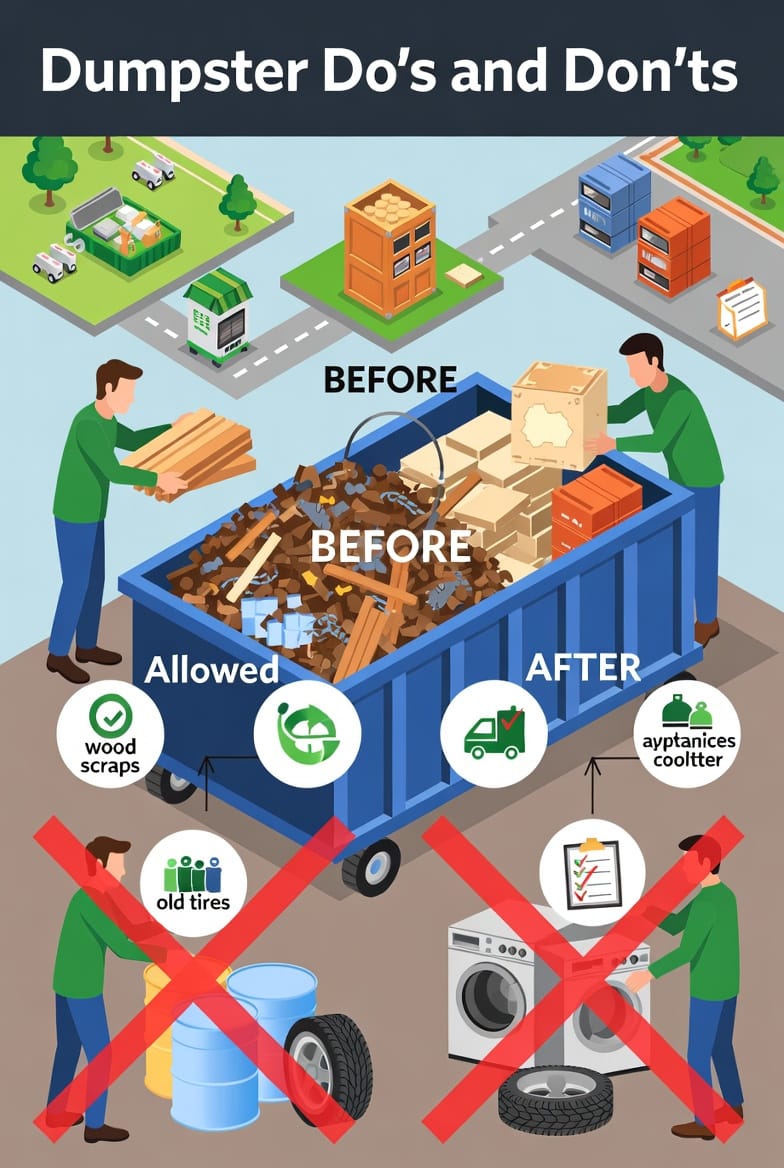
Not everything belongs in a dumpster. Prohibited items protect the environment and comply with landfill laws. Common bans include hazardous waste, which requires specialized disposal.
- Hazardous Materials: Avoid paints, oils, chemicals, batteries, and asbestos—these pose risks to health and soil.
- Electronics and Appliances: TVs, computers, refrigerators (with coolant), and microwaves often need recycling programs.
- Tires and Medical Waste: Tires leach chemicals; sharps and pharmaceuticals contaminate.
For allowed items, focus on construction debris like wood, metal, drywall, and yard waste. If in doubt, check with your rental company—they're there to help.
Permitting and Placement Guidelines
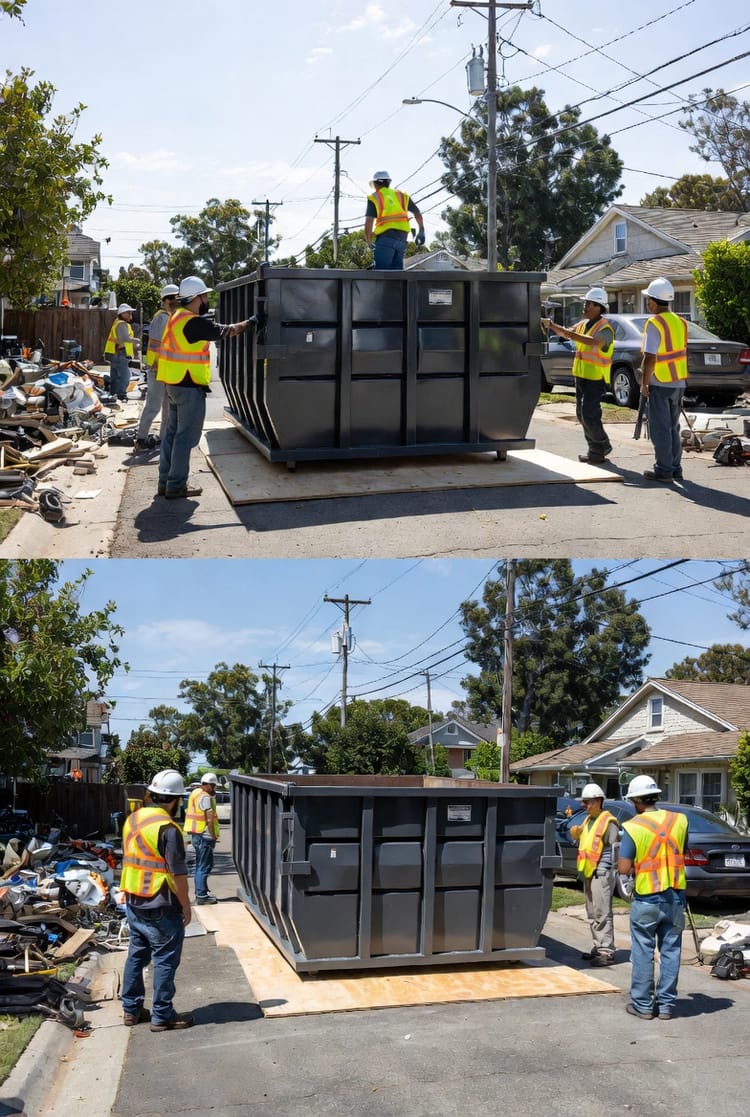
In many areas, placing a dumpster on public property requires a permit from local authorities. Driveway placements usually don't, but protect surfaces with plywood to prevent damage.
- Best Practices: Ensure clear access for delivery trucks (at least 60 feet straight-line). Keep dumpsters away from overhead wires or low branches.
- Duration Rules: Rentals typically last 7-10 days; extensions are available but may cost extra.
By adhering to these rules, you maintain a safe site and avoid penalties, making your project hassle-free.
Mastering Loading Tips: Efficiency and Safety First
Proper loading maximizes space, minimizes risks, and ensures easy pickup. Safe loading practices prevent injuries and structural issues. Approach it methodically, like packing a moving truck.
Preparing for Loading
Start with a plan: Sort debris into categories for even distribution.
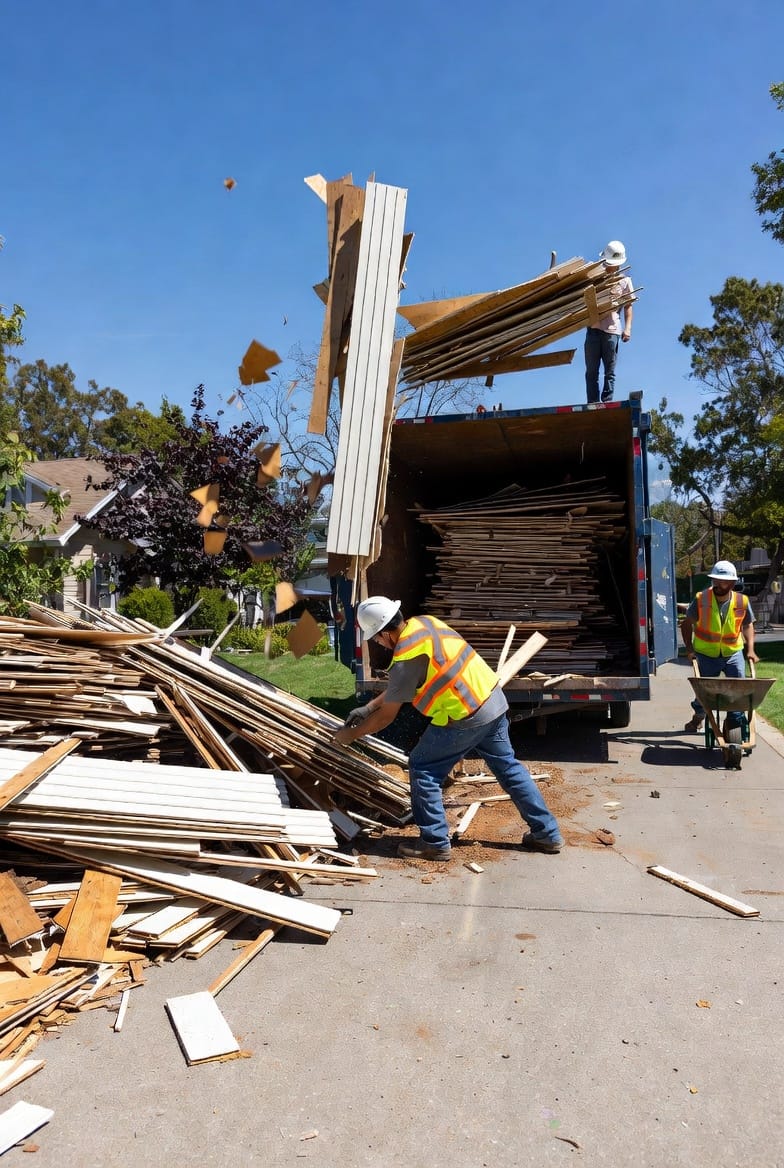
- Tools Needed: Gloves, tarps for covering, and wheelbarrows for transport reduce strain.
- Site Setup: Clear the area around the dumpster for safe access.
Efficient Loading Techniques
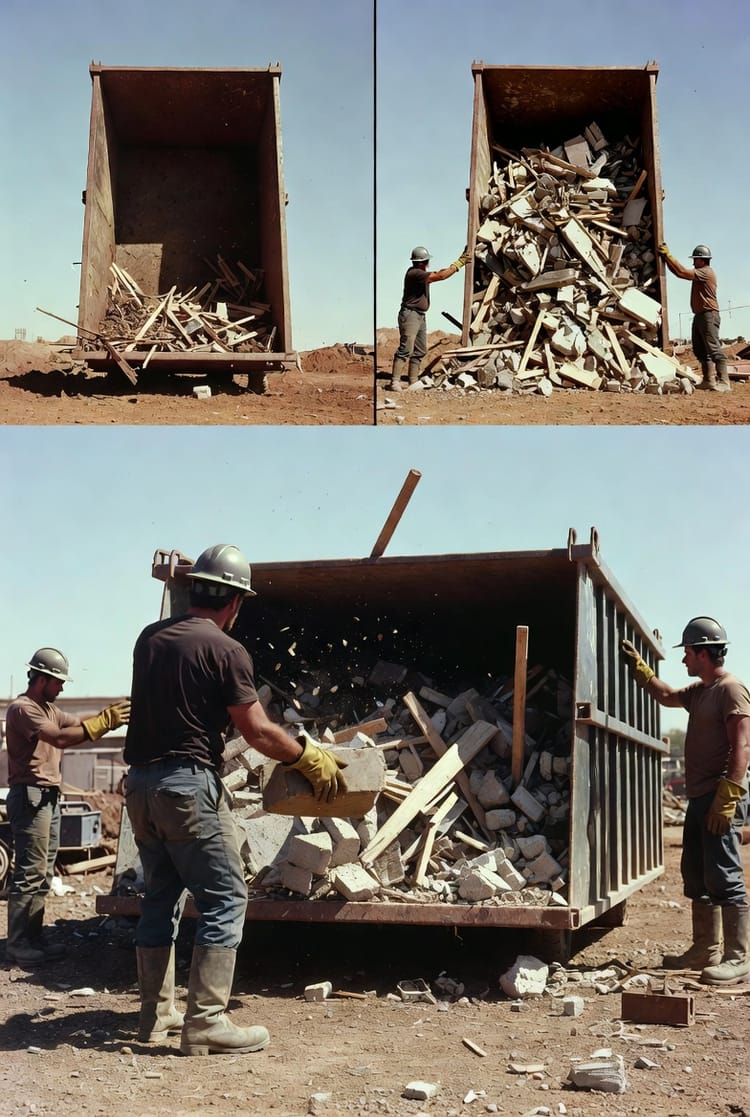
Load heavy items first at the bottom, then layer lighter ones on top to prevent shifting.
- Break Down Bulky Items: Dismantle furniture or cut branches to fit more.
- Fill Evenly: Distribute weight side-to-side and front-to-back for stability.
- Avoid Overfilling: Keep debris below the rim—overflow can lead to fees or refusal of service.
For roofing, use chutes to drop materials directly, saving time.
Safety Protocols
Prioritize safety to protect yourself and others.
- Personal Protective Equipment: Wear sturdy shoes, gloves, and eye protection.
- Lifting Properly: Bend at the knees, not the back, and team-lift heavy objects.
- Hazard Awareness: Watch for sharp edges or unstable loads; secure the dumpster door when open.
If children or pets are around, fence off the area. These tips, drawn from industry best practices, ensure a smooth, incident-free experience.
Advanced Considerations for Specialized Projects
Beyond basics, certain projects demand tailored approaches. For commercial cleanouts, opt for roll-off dumpsters with easy access doors. In urban areas, compact sizes navigate tight spaces better.
- Eco-Friendly Disposal: Many providers sort recyclables—ask about green options to reduce landfill impact.
- Cost-Saving Strategies: Bundle rentals with multiple projects or choose off-peak times for discounts.
These insights empower you to handle even complex scenarios with ease.
Common Mistakes and How to Avoid Them
Even seasoned pros slip up. Overloading is frequent—monitor progress daily. Ignoring weather? Cover your dumpster to prevent water weight additions.
- Misjudging Debris Volume: Always add 20% buffer to estimates.
- Forgetting Cleanup: Sweep around the site post-rental to leave no trace.
With awareness, these pitfalls become opportunities for efficiency.
Why Professional Rental Makes a Difference
Partnering with a trusted dumpster rental service like ours guarantees reliability. We offer prompt delivery, flexible scheduling, and expert advice, turning potential headaches into seamless solutions.
In conclusion, mastering dumpster rental boils down to informed choices on size, adherence to rules, and smart loading. This guide equips you with the knowledge to tackle any project confidently.
Fast, Reliable Dumpster Rental – Call Now & Start Clean