Dirty Power: Diagnosing and Solving Electrical Noise, Surges, and Voltage Sags in Your Home
In today's connected world, your home's electrical system is the silent backbone powering everything from your morning coffee maker to your evening streaming session. But what happens when that power isn't as clean as it should be? Dirty power – a term encompassing electrical noise, surges, and voltage sags – can wreak havoc on your appliances, electronics, and overall comfort. Unlike outright outages that grab immediate attention, these subtle issues often manifest as flickering lights, buzzing outlets, or prematurely failing devices. The good news? With proper diagnosis and targeted solutions, you can restore stability and protect your investments.
Whole-House Surge Protection Installed – Call for Free Assessment
As experienced electricians, we've seen countless homeowners overlook these problems until they escalate into costly repairs. This comprehensive guide will walk you through the signs, causes, and proven fixes for power quality issues. We'll empower you with knowledge to identify risks early and implement safeguards like whole-house surge protectors, power conditioners, and dedicated lines for sensitive equipment. Rest assured, addressing dirty power isn't just about convenience – it's about safeguarding your home's electrical integrity for the long haul.
Understanding Dirty Power: Beyond the Basics
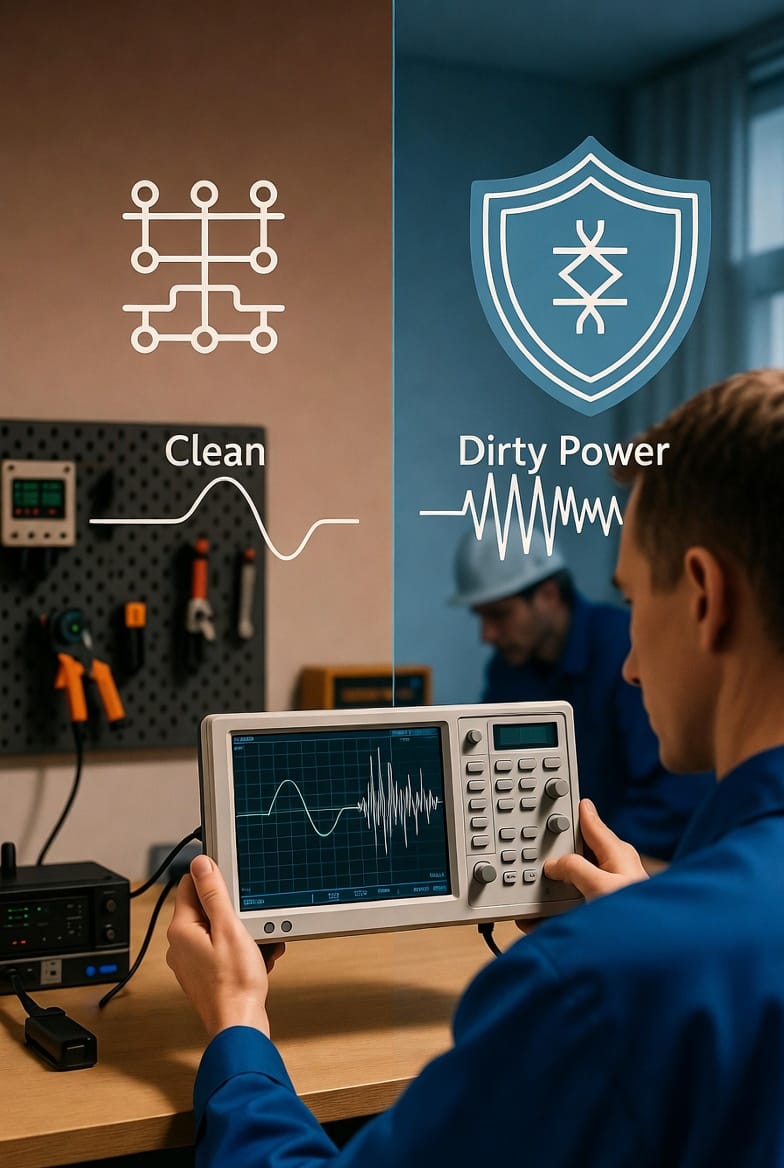
Dirty power refers to any deviation from the ideal 120-volt, 60-Hz alternating current (AC) sine wave that utilities aim to deliver. While blackouts are dramatic, power quality problems are insidious, chipping away at your system's efficiency over time. Think of clean power as a smooth, uninterrupted river flow; dirty power introduces turbulence, eddies, and sudden drops that stress everything downstream.
Common manifestations include:
- Flickering lights: Often mistaken for bulb issues, this can signal voltage fluctuations.
- Buzzing outlets or appliances: A telltale hum from electromagnetic interference.
- Damaged electronics: Sensitive circuits in TVs, computers, or smart home devices fail prematurely due to spikes.
These aren't random annoyances – they're symptoms of underlying electrical instability. According to industry standards from organizations like the Institute of Electrical and Electronics Engineers (IEEE), power quality deviations can reduce equipment lifespan by up to 50%. But don't worry; by recognizing these early, you can prevent escalation.
Common Causes of Power Quality Issues in Homes
Power problems rarely originate in a vacuum. They stem from a mix of external and internal factors, often compounding each other. Let's break down the primary culprits.
External Influences: Utility and Environmental Factors
Your home doesn't exist in isolation – it's tied to a vast grid susceptible to disruptions.
- Utility switching: When power companies reroute electricity during maintenance or peak demand, it can cause brief surges or sags. For instance, a substation switch might send a voltage spike rippling through neighborhoods.
- Nearby heavy industry: Factories, construction sites, or even large commercial buildings with heavy machinery generate harmonic distortion – non-linear loads that warp the sine wave. If you're near an industrial zone, this "noise" can infiltrate your supply lines.
- Weather and grid events: Storms don't just cause outages; lightning strikes induce massive surges, while high winds might trigger voltage dips from swaying lines.
In urban areas, these issues are amplified by dense infrastructure. Rural homes, conversely, might face sags from long transmission distances.
Internal Household Contributors: Wiring and Appliance Interactions
Often, the problem is closer to home – literally.
- Poor household wiring: Aging or undersized wires create resistance, leading to voltage drops. Knob-and-tube systems from older homes are particularly prone.
- Appliance overloads: High-draw devices like air conditioners, refrigerators, or electric vehicles starting up can cause sags, dimming lights elsewhere.
- Electromagnetic interference (EMI): From dimmer switches, fluorescent lights, or Wi-Fi routers, these add noise that buzzes through outlets.
A key risk? Cumulative effects. A minor utility surge combined with faulty wiring can amplify damage, turning a flicker into a fried circuit board.
Diagnosing Power Quality Problems: Step-by-Step Guide
Diagnosis is the first step toward resolution. While some issues are visible, others require tools and expertise. Here's how to approach it systematically.
Spotting the Symptoms
Start with observation. Keep a log of incidents to identify patterns.
- Visual cues: Lights dimming when large appliances cycle on? That's a classic voltage sag.
- Auditory signs: Buzzing from speakers or outlets indicates electrical noise.
- Performance issues: Electronics resetting randomly or showing error codes point to surges.
If symptoms persist, use a multimeter for basic checks – measure outlet voltage (should be 110-125V) and continuity. For deeper insights, consider a power quality analyzer, which graphs waveforms like an oscilloscope.
Professional Assessment Tools
Homeowners can handle basics, but complex diagnostics benefit from pros.
- Oscilloscope monitoring: Captures real-time waveform distortions.
- Harmonic analyzers: Quantify noise levels.
- Infrared thermography: Detects hot spots in wiring from resistance.
Remember, safety first – never tamper with panels if unqualified. Persistent issues warrant calling experts who can trace problems to their source without risks.
Effective Solutions for Cleaning Up Your Power
Once diagnosed, solutions range from simple tweaks to comprehensive upgrades. The goal? Stabilize voltage, filter noise, and shield against surges. We'll focus on practical, cost-effective options.
Surge Protection: Your First Line of Defense
Surges – sudden voltage spikes – are among the most destructive elements of dirty power.
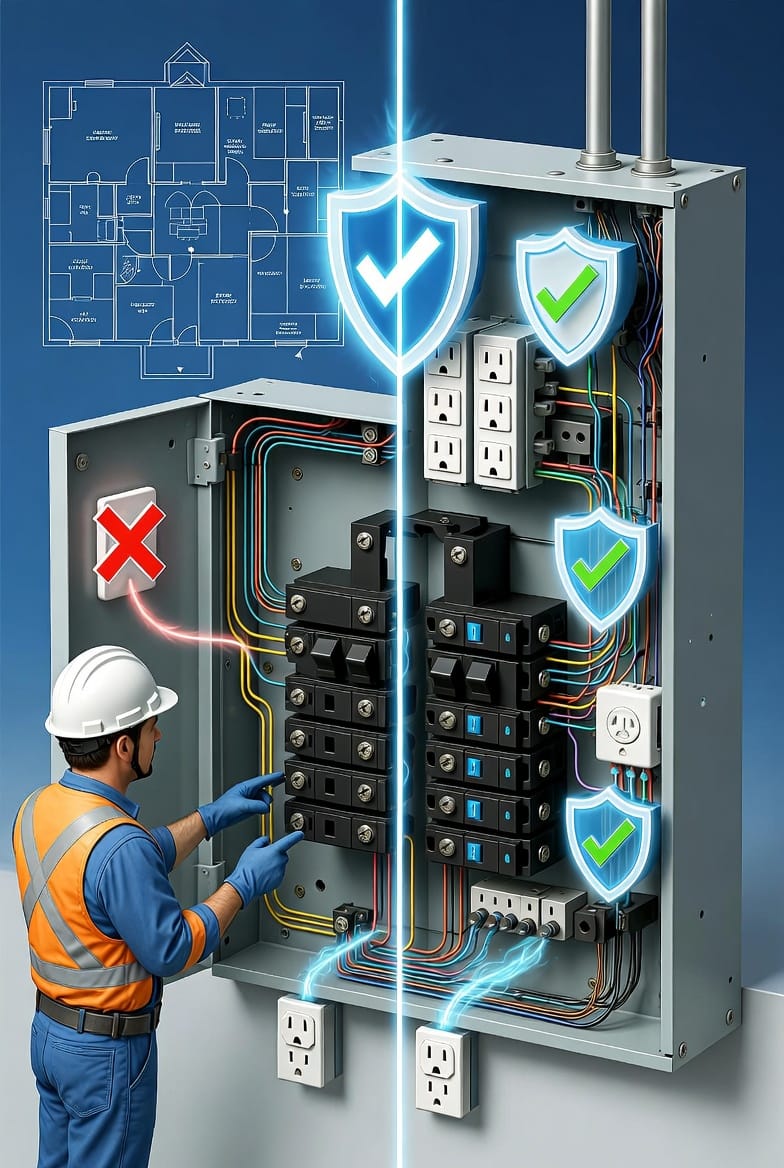
- Whole-house surge protectors: Installed at your main electrical panel, these divert excess energy to ground, protecting everything downstream. Models like those from Eaton or Siemens handle up to 100kA surges.
- Point-of-use protectors: Plug-in strips for individual devices, ideal for computers or home theaters. Look for UL 1449-rated units with joule ratings over 1,000.
Combining both creates layered defense. Installation costs? Around $300-500 for whole-house units, with ROI through prevented repairs.
Power Conditioners: Filtering Out the Noise
For electrical noise causing buzzing or interference:
- Line conditioners: These use transformers to smooth waveforms, reducing EMI. Brands like Furman offer models for audio systems.
- Uninterruptible Power Supplies (UPS): Battery-backed units provide clean power during sags, with built-in filtering. CyberPower or APC units start at $100.
Place them strategically near sensitive gear for optimal results.
Dedicated Lines and Wiring Upgrades
Address internal causes head-on.
- Dedicated circuits: Run separate lines for high-draw appliances, preventing sags. Essential for home offices or EVs.
- Wiring audits and replacements: Upgrade to modern copper wiring if yours is outdated, reducing resistance and heat.
These solutions not only solve current issues but future-proof your home against increasing smart device demands.
Advanced Options for Persistent Problems
In severe cases:
- Isolation transformers: Create a "clean" secondary circuit for ultra-sensitive equipment.
- Active power factor correction: Devices that optimize load balance, minimizing harmonics.
Budget accordingly – basic fixes might cost $200, while full rewires run $5,000+. Prioritize based on your home's needs.
Preventive Maintenance: Keeping Power Clean Long-Term
Solutions work best with ongoing care.
- Regular inspections: Annual electrician check-ups catch wiring degradation early.
- Appliance management: Stagger high-draw starts and use energy-efficient models.
- Smart monitoring: Install devices like Sense or Emporia for real-time power quality alerts.
By staying proactive, you minimize risks and extend equipment life.
The Risks of Ignoring Dirty Power
Untreated issues compound over time.
- Financial hits: Replacing damaged TVs or fridges adds up – surges alone cause $1 billion in U.S. damages yearly.
- Safety hazards: Overheated wiring risks fires; noise can mask serious faults.
- Efficiency losses: Dirty power wastes energy, hiking bills by 10-20%.
The upside? Mitigating these restores peace of mind and savings.
Final Thoughts: Empower Your Home's Electrical Future
Dirty power doesn't have to disrupt your life. From diagnosing flickering lights and buzzing outlets to implementing surge protectors and power conditioners, you've got the tools to reclaim control. As authorities in electrical services, we assure you: these issues are solvable with the right approach.
Warning: Don't let minor annoyances become major problems – protect your home's electrical integrity today.
Call to Action: Ready to diagnose and solve your power quality issues?
Professional Power Quality Solutions – Call for Expert Service