Digital Dentistry: How Intraoral Scanners, CAD/CAM, and 3D Imaging Are Revolutionizing Patient Care
In the rapidly evolving world of digital dentistry, cutting-edge technologies are transforming traditional practices into efficient, patient-centered experiences. Gone are the days of messy impressions and prolonged wait times for restorations. Today, tools like intraoral scanners, CAD/CAM systems, and 3D cone beam imaging are at the forefront, offering unparalleled precision, comfort, and speed. This shift not only enhances diagnostic accuracy but also streamlines treatments, making dental visits more predictable and less intimidating. As a dental professional committed to innovation, I assure you that these advancements are making oral healthcare safer and more accessible for everyone.
Discover Gag-Free Scanning & 3D Precision – Book Your Visit
The Evolution of Dental Impressions: From Putty to Pixels
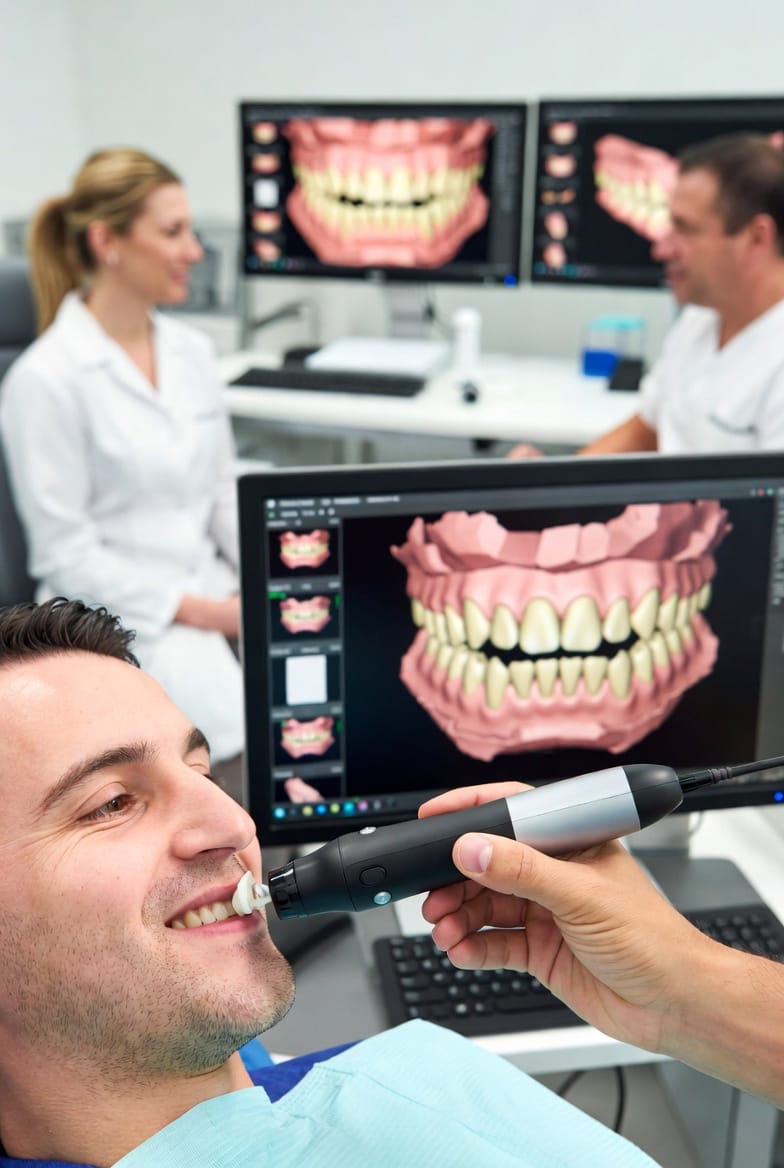
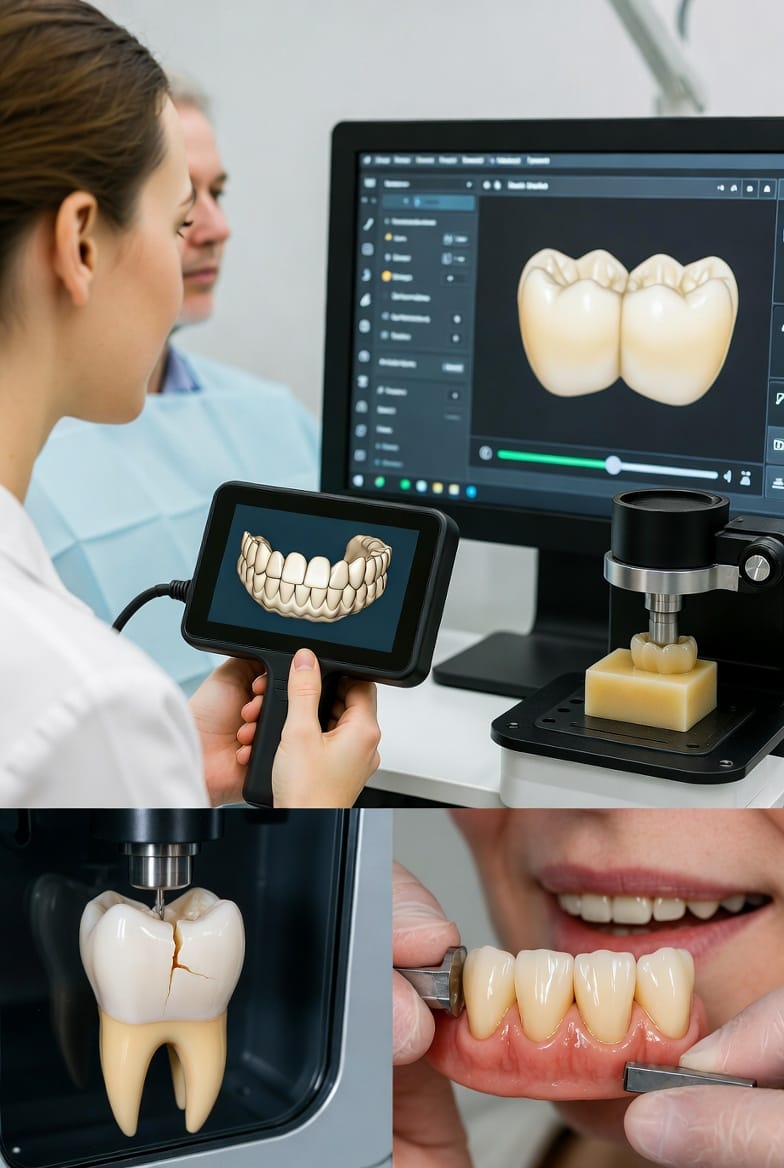
Traditional dental impressions using putty molds have long been a staple in dentistry, but they often come with drawbacks like discomfort, gagging, and inaccuracies due to material shrinkage. Enter intraoral scanners—handheld devices that capture high-resolution 3D images of your teeth and gums in seconds. These scanners use optical technology, such as laser or structured light, to create a digital map of your oral cavity without any physical contact beyond the wand itself.
How does this work? The scanner projects light patterns onto the teeth, and cameras record the distortions to build a virtual model. This digital impression is instantly viewable on a computer screen, allowing dentists to verify accuracy on the spot. Patients benefit from a gag-free experience, while practitioners gain data that's easily shared with labs or integrated into other systems.
Key advantages include:
- Enhanced Comfort: No more trays filled with gooey material that hardens uncomfortably.
- Improved Accuracy: Digital files eliminate distortions from traditional molds, reducing the need for retakes.
- Time Efficiency: Scans take minutes, speeding up the overall treatment process.
By adopting intraoral scanners, dental practices are minimizing errors and maximizing patient satisfaction, proving that technology can indeed make dentistry more humane.
CAD/CAM Technology: Crafting Crowns in a Single Visit
Once a digital impression is captured, CAD/CAM (Computer-Aided Design/Computer-Aided Manufacturing) systems take center stage. This integrated technology allows for the design and fabrication of dental restorations like crowns, bridges, and veneers right in the office, often in the same day.
The process begins with the CAD phase, where software analyzes the scan to design a custom restoration. Dentists can manipulate the virtual model, adjusting contours and occlusion for a perfect fit. Then, the CAM component mills the piece from a block of ceramic or composite material using precise robotic arms. Materials like zirconia or lithium disilicate ensure durability and aesthetics that mimic natural teeth.
Imagine walking into a dental appointment with a damaged tooth and leaving with a fully functional crown—no temporary fixes or multiple visits required. This same-day dentistry is a game-changer for busy professionals and families alike.
Benefits of CAD/CAM include:
- Speed: Restorations ready in hours, not weeks.
- Precision: Computer-guided milling ensures sub-millimeter accuracy.
- Customization: Designs tailored to individual anatomy for better longevity.
Rest assured, these systems are backed by rigorous testing and FDA approvals, ensuring safety without compromising on quality.
3D Cone Beam Imaging: A New Dimension in Diagnosis
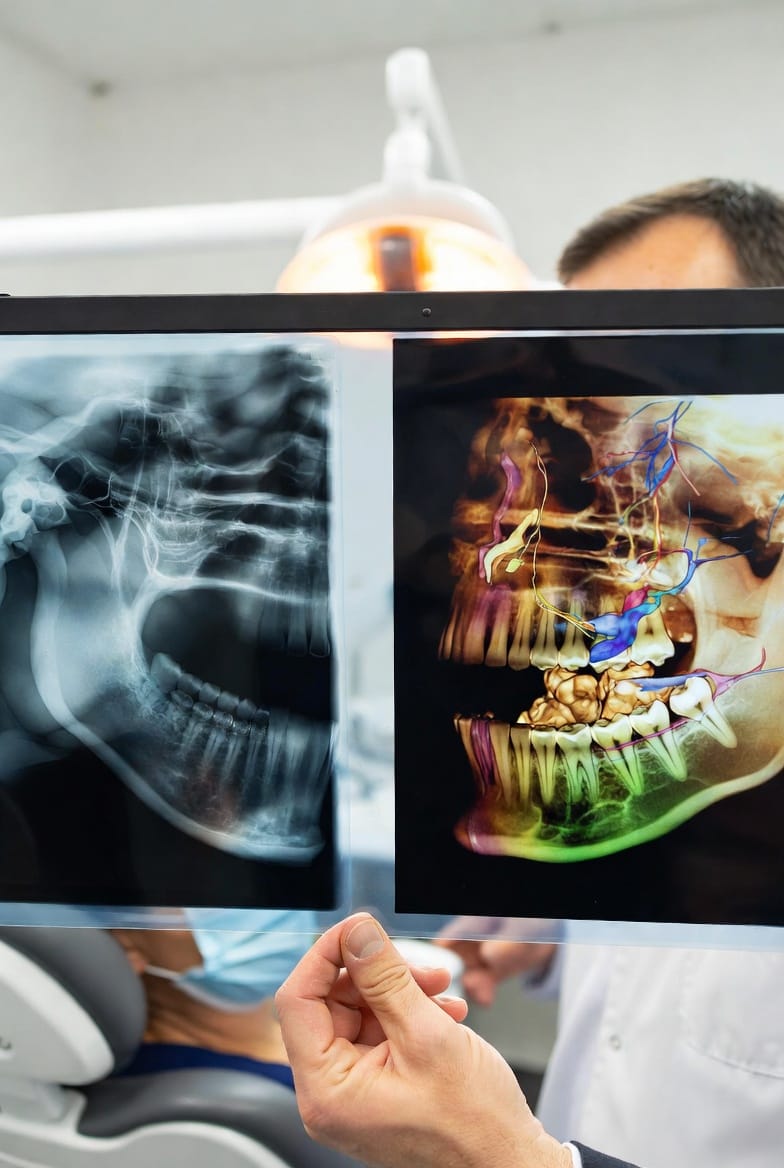
Diagnostic imaging has leaped forward with 3D cone beam computed tomography (CBCT), providing volumetric views that surpass the limitations of traditional 2D X-rays. This technology uses a rotating cone-shaped X-ray beam to capture a full 360-degree image of the oral and maxillofacial region in one scan.
Unlike flat 2D radiographs, which can overlap structures and obscure details, 3D imaging offers cross-sectional slices, allowing dentists to examine bone density, nerve pathways, and sinus cavities with exceptional clarity. This is particularly vital for implant planning, where precise placement is crucial to avoid complications like nerve damage.
For instance, in diagnosing impacted teeth or planning orthodontic treatments, CBCT reveals hidden pathologies that 2D images might miss. Radiation exposure is minimized through focused beams, making it safer than full-head CT scans while delivering superior data.
Applications extend to:
- Implant Surgery: Virtual planning simulates outcomes, enhancing success rates.
- Endodontics: Detailed root canal anatomy for more effective treatments.
- Orthognathics: Assessing jaw alignments for surgical precision.
With 3D cone beam imaging, diagnoses are more accurate, treatments are proactive, and patients experience fewer surprises—fostering trust in modern dental care.
Integrating Technologies for Comprehensive Patient Care
The true power of digital dentistry lies in the synergy of these tools. An intraoral scanner feeds data directly into CAD/CAM software, which can incorporate 3D imaging for holistic planning. This integration reduces chair time, lowers costs by minimizing lab fees, and improves outcomes through data-driven decisions.
Consider a patient needing an implant: The process starts with a CBCT scan to assess bone structure, followed by a digital impression. CAD software then designs the implant guide and restoration, with CAM fabricating components on-site. This seamless workflow exemplifies how technology enhances comfort by reducing invasive procedures, boosts speed with immediate results, and elevates precision to prevent revisions.
Moreover, digital records are easily stored and retrieved, supporting telemedicine consultations and long-term monitoring. For environmentally conscious patients, going digital means less waste from disposable molds and films.
Overcoming Challenges and Embracing the Future
While adopting these technologies requires initial investment in equipment and training, the long-term benefits far outweigh the costs. Practices see higher patient retention due to positive experiences, and errors drop significantly. Concerns about data security are addressed through encrypted systems compliant with HIPAA standards.
Looking ahead, advancements like AI-assisted diagnostics and augmented reality overlays will further refine digital dentistry. AI can analyze scans for anomalies, flagging issues early, while AR helps visualize treatments in real-time.
As an authority in the field, I can confidently say that these innovations are not just trends—they're the new standard, making dental care more predictable and patient-friendly.
Real-World Impact: Case Studies in Digital Transformation
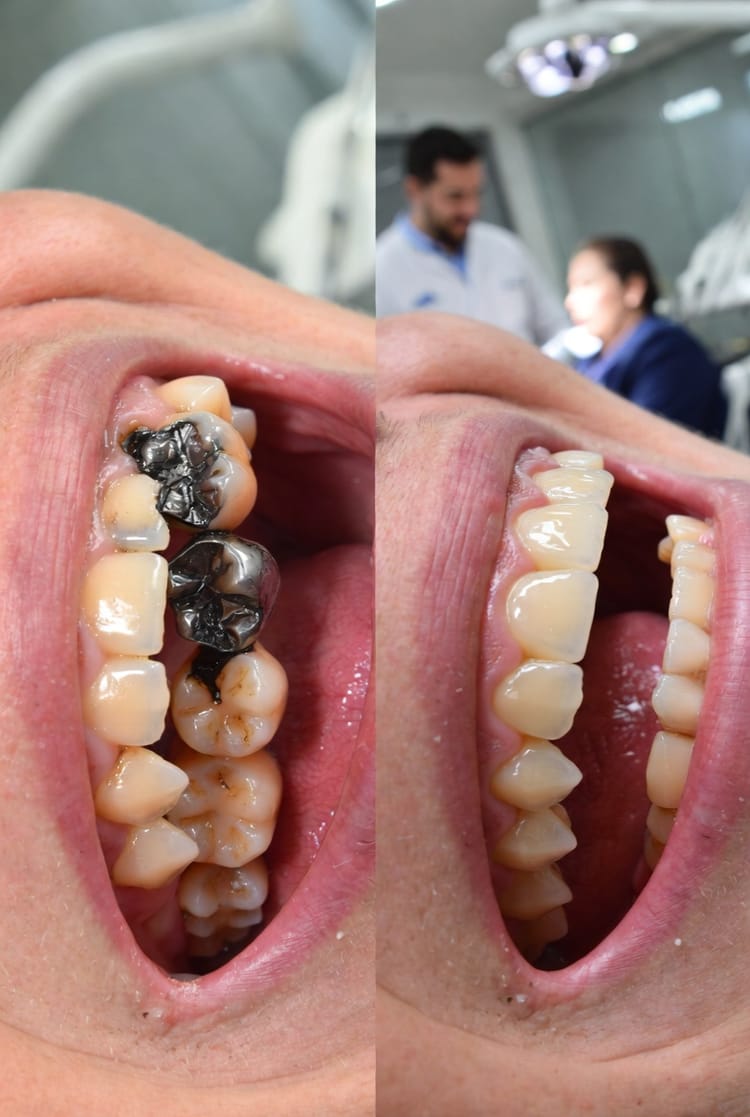
To illustrate, consider a case where a patient presented with a fractured molar. Using an intraoral scanner, we captured the defect instantly. Integrated with CAD/CAM, a crown was designed and milled within the hour, fitted perfectly on the same visit. The patient avoided the discomfort of temporaries and returned to normal function immediately.
In another scenario, for implant placement, 3D imaging revealed insufficient bone in a 2D-hidden area, allowing us to plan a graft proactively. This precision prevented potential failures, saving time and expense.
These stories highlight how technology turns complex procedures into straightforward solutions, empowering patients with knowledge and control over their care.
Why Choose Digital Dentistry for Your Oral Health
Opting for a practice equipped with these tools means prioritizing your well-being. Comfort is amplified through non-invasive methods, speed accommodates your schedule, and precision ensures lasting results. Whether for routine check-ups or advanced restorations, digital approaches minimize risks and maximize satisfaction.
Parents appreciate quicker visits for children, reducing anxiety, while seniors benefit from accurate fittings without multiple adjustments. Overall, it's a win for preventive care, catching issues early via detailed imaging.
Conclusion: Step Into the Digital Era
Digital dentistry with intraoral scanners, CAD/CAM, and 3D imaging is revolutionizing patient care by blending innovation with empathy. These technologies are not distant futures—they're here, enhancing every aspect of dental practice.Experience the future of comfortable, efficient dental care.
Enjoy Same-Day Restorations & Superior Comfort – Schedule Today