Dental Care Near Me: How to Find Quick Help When You Need It Most
Dental pain can strike without warning—whether from a sudden injury during sports, an untreated cavity flaring up at midnight, or an infection causing facial swelling. When it happens, every minute counts. Ignoring severe tooth pain or trauma risks permanent tooth loss, spreading infection, or even life-threatening complications.
Tooth pain right now? Call the Dental Help Center immediately for fast relief.
In the United States, tooth disorders lead to nearly 2 million emergency department (ED) visits annually (about 59.4 visits per 10,000 people), many of which could be handled more effectively and affordably by a dentist. These visits cost significantly more than a dental office trip and often provide only temporary relief without addressing the root cause.
This comprehensive guide explains when a dental issue qualifies as an emergency, how to provide immediate first aid, and where to find quick professional help. With practical steps, resources, and prevention tips, you'll feel prepared to act decisively and protect your smile.
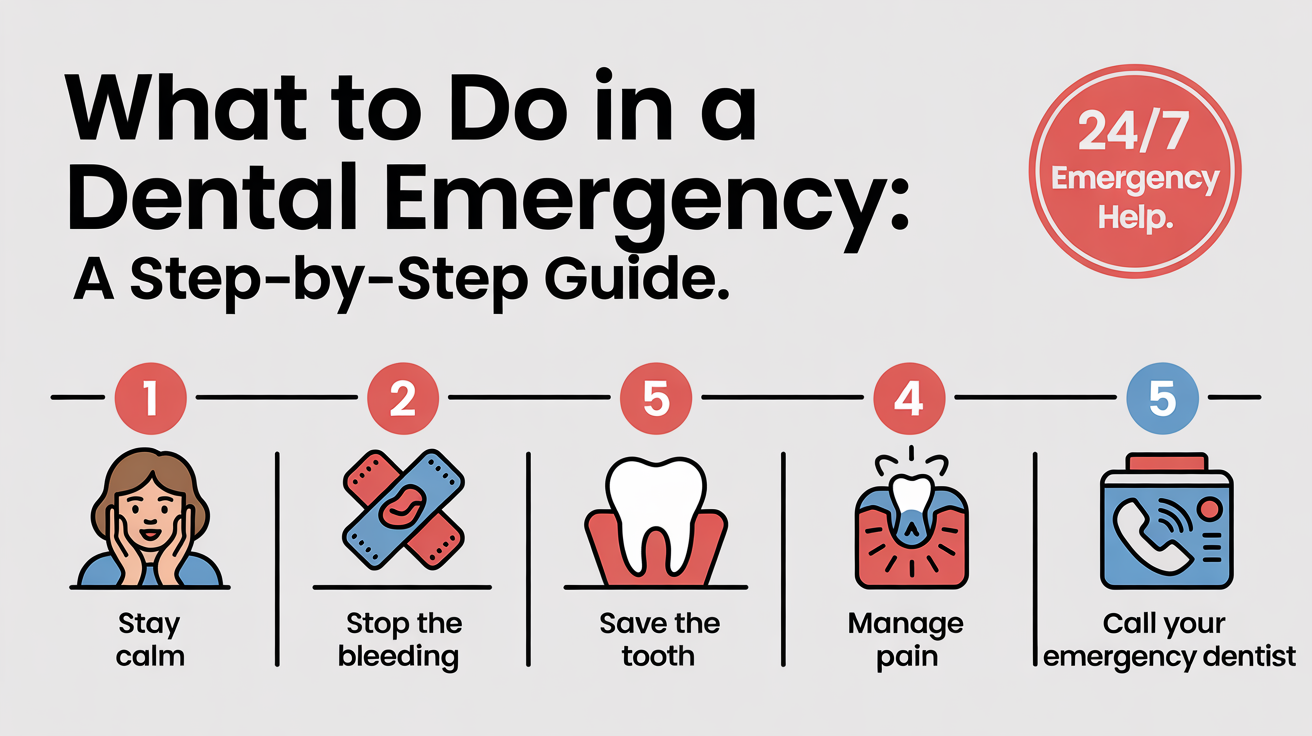
emergencydentistinhouston.com Dental Emergency: What to Do Step by Step Guide
When Is a Dental Problem a True Emergency?
Not every toothache demands immediate care. Minor sensitivity or a small chip can often wait for a regular appointment. However, certain symptoms signal a dental emergency requiring prompt intervention to prevent further damage, infection spread, or tooth loss.
Key Signs You Need Emergency Dental Care Immediately:
- Severe, persistent toothache accompanied by swelling, fever, or throbbing pain unrelieved by over-the-counter medication.
- Knocked-out (avulsed) tooth — Time is critical; the sooner it's reimplanted or preserved, the better the outcome.
- Broken, cracked, or fractured tooth exposing nerves or causing sharp pain.
- Uncontrolled bleeding from the mouth, gums, or after trauma.
- Facial or jaw swelling, especially with difficulty swallowing or breathing (possible abscess or infection).
- Loose adult tooth (permanent teeth should never feel loose without trauma).
- Abscess or pus (pimple-like bump on gums, bad taste, fever).
Urgent but not always life-threatening issues (seek care within 24 hours): Lost filling/crown, object stuck painfully between teeth, or moderate pain with minor swelling.
Tooth pain right now? Call the Dental Help Center immediately for fast relief.
Pro Tip: If symptoms include high fever, neck swelling, or breathing difficulty, head to the hospital ER immediately—these can indicate a spreading infection requiring medical attention beyond dentistry.
Dental Emergency Urgency Table
| Symptom | Urgency Level | Potential Risks if Delayed | Recommended Action |
|---|---|---|---|
| Knocked-out tooth | Immediate (30-60 min) | Tooth loss, infection | Preserve tooth in milk; see dentist ASAP |
| Severe swelling + fever | Immediate | Systemic infection, airway compromise | Call dentist or ER |
| Uncontrolled bleeding | Immediate | Significant blood loss | Apply pressure; seek help |
| Severe toothache | Same day/24 hours | Abscess formation | Pain relief + call dentist |
| Cracked tooth (no pain) | Within 48 hours | Further fracture, nerve damage | Protect tooth; schedule promptly |
| Lost filling | Within 24-48 hours | Sensitivity, decay | Temporary filling if possible |
This table helps you quickly assess the situation and decide on next steps.
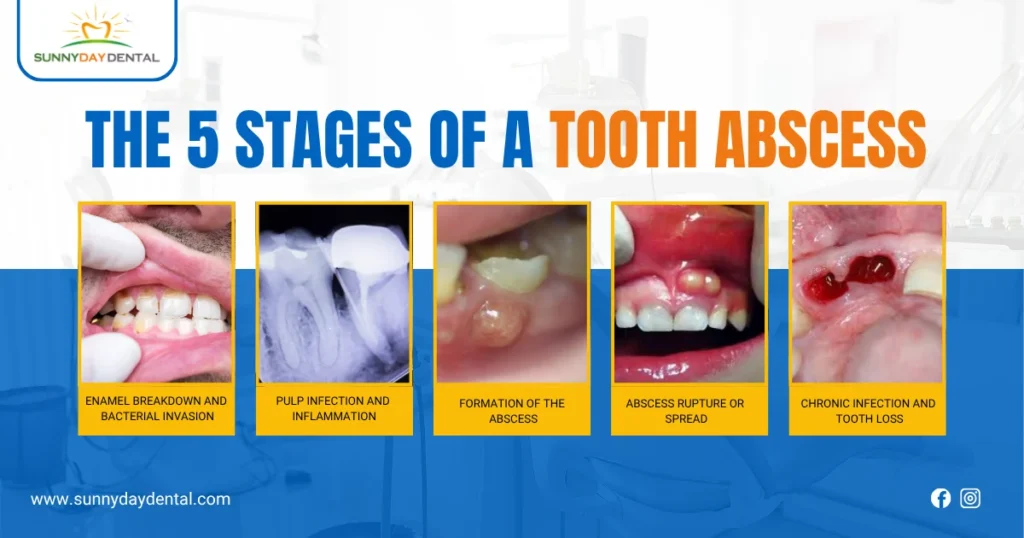
sunnydaydental.com Tooth Abscess Stages: 5 Signs You Need Urgent Care!
Immediate First Aid: What to Do While Seeking Help
Quick action can save a tooth or reduce complications. Follow these evidence-based steps from the American Dental Association (ADA).
For a Knocked-Out Tooth
- Handle only by the crown (white part), never the root.
- Rinse gently with milk, saline, or saliva if dirty—do not scrub or use water.
- Try to reinsert into the socket if possible.
- If not, store in milk, saliva (between cheek and gum), or a tooth preservation kit (ADA Seal recommended).
- Get to a dentist within 30-60 minutes for the best success rate.
For Bleeding or Trauma
- Apply sterile gauze or a clean cloth with firm pressure for 10-15 minutes.
- Use a cold compress on the face to reduce swelling.
- Avoid aspirin (it thins blood); use ibuprofen or acetaminophen for pain.
For Abscess or Swelling
- Rinse with warm saltwater (1/2 tsp salt in 8 oz water) to draw out pus and reduce bacteria.
- Never pop or lance the abscess yourself.
- Take OTC pain relievers and apply cold compresses externally.
For Broken Tooth or Pain
- Rinse mouth with warm water.
- Cover sharp edges with sugar-free gum or dental wax (temporary).
- Avoid chewing on the affected side.
These measures buy precious time but are not substitutes for professional care.
Tooth pain right now? Call the Dental Help Center immediately for fast relief.
How to Find Quick Dental Help: Practical Steps
Finding reliable emergency dental care has never been easier, thanks to technology and dedicated networks.
Step-by-Step Guide to Locating Help:
- Call Your Regular Dentist First — Many practices offer after-hours emergency lines or same-day slots. Leave a clear voicemail with symptoms and contact info.
- Search "Emergency Dentist Near Me" — Google, Bing, or Apple Maps prioritize local results with hours, reviews, and directions. Check for 24/7 or walk-in availability.
- Use Online Directories and Tools:
- ADA Find a Dentist — Verified ADA member providers.
- Zocdoc or similar booking platforms for real-time appointments.
- Specialized services like Emergency Dentists USA or local urgent dental chains.
- Tele-dentistry Options — For initial advice or non-visible issues, platforms like The TeleDentists or Teledentistry.com offer 24/7 video consultations with licensed dentists. They can guide first aid or prescribe antibiotics/pain relief when appropriate.
- Insurance or Employer Resources — Check your dental plan's provider directory or 24/7 nurse line for referrals.
- Hospital ER as Last Resort — Ideal for severe trauma or infection with systemic symptoms, but expect higher costs and limited definitive dental treatment.
Realistic Timeline: In urban areas, same-day or next-morning appointments are common. Rural areas may require driving farther or using telehealth as a bridge.
emergencydental.com Your Emergency Dentist - Emergency Dental Care USA Fort Worth
Emergency appointments focus on pain relief, stabilization, and infection control first, followed by a plan for definitive treatment (e.g., root canal, extraction, or repair).
- Assessment: X-rays, exam, and medical history review.
- Treatment: Drainage of abscess, temporary filling, splinting for loose teeth, or reimplantation.
- Follow-up: Most cases require a return visit for permanent restoration.
- Costs: Vary widely; expect higher fees for after-hours. Check insurance coverage and ask about payment plans.
Patients often report significant relief within the first visit, preventing worse outcomes.
Tooth pain right now? Call the Dental Help Center immediately for fast relief.
Preventing Dental Emergencies: Long-Term Strategies
Most emergencies are preventable through proactive care:
- Maintain excellent oral hygiene: Brush twice daily with fluoride toothpaste, floss once, and use antimicrobial mouthwash.
- Schedule regular dental checkups and cleanings (every 6 months).
- Wear a custom mouthguard for sports or grinding (bruxism).
- Limit sugary/acidic foods and drinks; avoid chewing ice or hard objects.
- Address issues early—don't ignore minor pain or sensitivity.
Prevention Impact Table (Estimated Benefits):
| Prevention Habit | Potential Reduction in Emergencies | Additional Benefits |
|---|---|---|
| Regular dental visits | Up to 70-80% for decay-related | Early detection of problems |
| Mouthguard use in sports | 60%+ for trauma | Protects against fractures and avulsions |
| Daily flossing + brushing | Significant for abscesses/infections | Healthier gums, fresher breath |
| Healthy diet (low sugar) | Major for cavities | Overall systemic health improvements |
Consistent habits dramatically lower your risk while saving time, money, and discomfort.
Conclusion: Act Fast, Smile Longer
Dental emergencies test your preparedness, but knowing the signs, first-aid steps, and how to quickly locate help empowers you to respond effectively. Whether it's a knocked-out tooth at a weekend game or sudden swelling at night, prompt action preserves your oral health and prevents escalation.
Bookmark reliable resources like the ADA MouthHealthy Dental Emergencies page and keep your dentist's emergency number handy. Prioritize prevention, and when issues arise, seek professional care without delay.
Your smile is worth protecting—don't wait until pain forces your hand. If you're experiencing symptoms right now, contact a local emergency dentist or use a tele-dentistry service immediately.
Tooth pain right now? Call the Dental Help Center immediately for fast relief.