Crack Chasing: Diagnosing and Correcting the Different Types of Concrete Cracks
Concrete is the backbone of modern construction, offering unparalleled strength and durability for foundations, driveways, patios, and more. Yet, even this robust material isn't immune to the forces of nature, time, and environmental stress. Concrete cracks are a common sight in homes and buildings, but not all cracks are created equal. Some are harmless cosmetic issues, while others signal deeper structural problems that could compromise the safety and integrity of your property. In this comprehensive guide, we'll delve into the art of "crack chasing"—the process of diagnosing, understanding, and repairing different types of concrete cracks. Whether you're a homeowner spotting a new fissure in your basement wall or a property manager assessing potential risks, knowing how to read these cracks can save you time, money, and headaches.
Stop Foundation Cracks Before They Worsen – Call Now!
As a leading expert in structural repair, we've helped countless clients navigate these issues with precision and care. Rest assured, most cracks can be addressed effectively with the right approach. Let's break it down step by step, empowering you to make informed decisions about your concrete structures.
Understanding the Basics: Why Do Concrete Cracks Form?
Concrete cracks for a variety of reasons, often tied to the material's inherent properties and external influences. At its core, concrete is a mixture of cement, water, aggregates, and additives that hardens through a chemical reaction called hydration. During this process, concrete can shrink, expand, or settle unevenly, leading to cracks.
- Shrinkage Cracks: These occur as concrete dries and contracts. They're typically thin and superficial.
- Settlement Cracks: Caused by soil movement beneath the structure, these can indicate foundational shifts.
- Thermal Expansion Cracks: Fluctuations in temperature cause concrete to expand and contract, creating stress points.
- Load-Induced Cracks: Excessive weight or pressure from above can fracture the slab or wall.
- Corrosion Cracks: When embedded steel rebar rusts, it expands and cracks the surrounding concrete.
By identifying the root cause, you can determine if the crack is non-structural (aesthetic only) or structural (affecting load-bearing capacity). Early detection is key—ignoring a small crack today could lead to major repairs tomorrow. Our authoritative advice: Always document cracks with photos and measurements to track changes over time.
Hairline Shrinkage Cracks: The Benign Blemishes
One of the most common types you'll encounter is the hairline shrinkage crack. These are narrow fissures, often less than 1/16 inch wide, that appear shortly after concrete is poured. They're a natural byproduct of the curing process, where excess water evaporates, causing the material to contract slightly.
Characteristics of Hairline Cracks
- Appearance: Thin, web-like patterns on the surface, resembling a spider's web or fine lines.
- Location: Commonly found on slabs, walls, or floors in new constructions.
- Causes: Rapid drying, poor mix ratios, or inadequate curing practices like not using moisture-retaining covers.
These cracks are generally non-structural and don't pose immediate threats. However, they can allow water infiltration if left unsealed, potentially leading to mold or further deterioration in humid environments.
Repair Methods for Hairline Cracks
For these minor issues, simplicity is best. Use a flexible concrete sealant or caulk designed for outdoor or indoor use, depending on the location.
- Clean the crack thoroughly with a wire brush and vacuum to remove debris.
- Apply the sealant using a caulking gun, ensuring it penetrates deeply.
- Smooth the surface for a seamless finish.
This DIY-friendly approach can prevent moisture entry and maintain aesthetics. If you're unsure about the product, opt for polyurethane-based sealants—they offer excellent elasticity to handle minor movements.
In our experience, addressing hairline cracks promptly reassures homeowners that their property remains sound. Remember, these aren't signs of failure but normal settling in a material as dynamic as concrete.
Structural Settling Cracks: When to Sound the Alarm
In contrast, structural settling cracks are more concerning. These wider, deeper fissures often result from uneven soil compaction, erosion, or foundation shifts due to groundwater changes or poor initial site preparation.
Identifying Structural Cracks
- Width and Depth: Typically wider than 1/8 inch and may extend through the entire thickness of the concrete.
- Patterns: Vertical cracks suggest settling; diagonal or stair-step ones indicate shear forces.
- Accompanying Signs: Doors that stick, uneven floors, or gaps around windows point to broader movement.
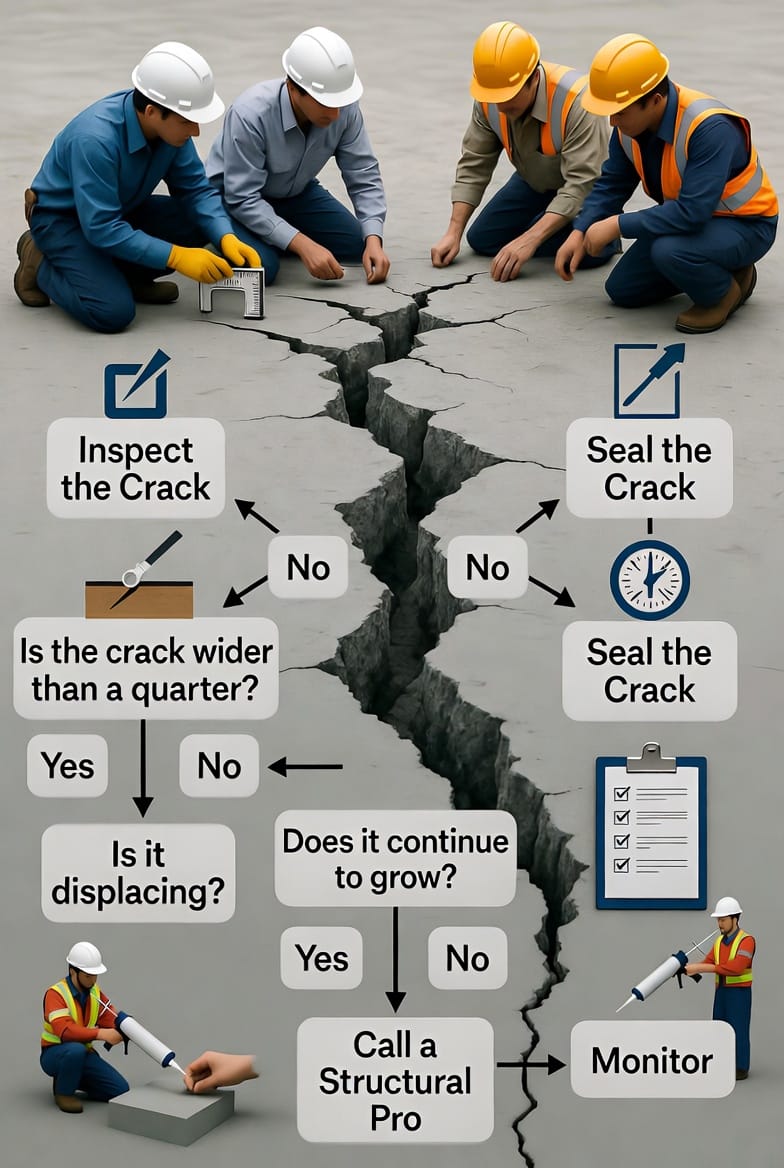
If a crack is actively widening—measure it weekly—or shows displacement (one side higher than the other), it's time for professional intervention. These aren't just cosmetic; they can weaken the structure, leading to costly failures if ignored.
Advanced Repair Techniques: Epoxy Injection
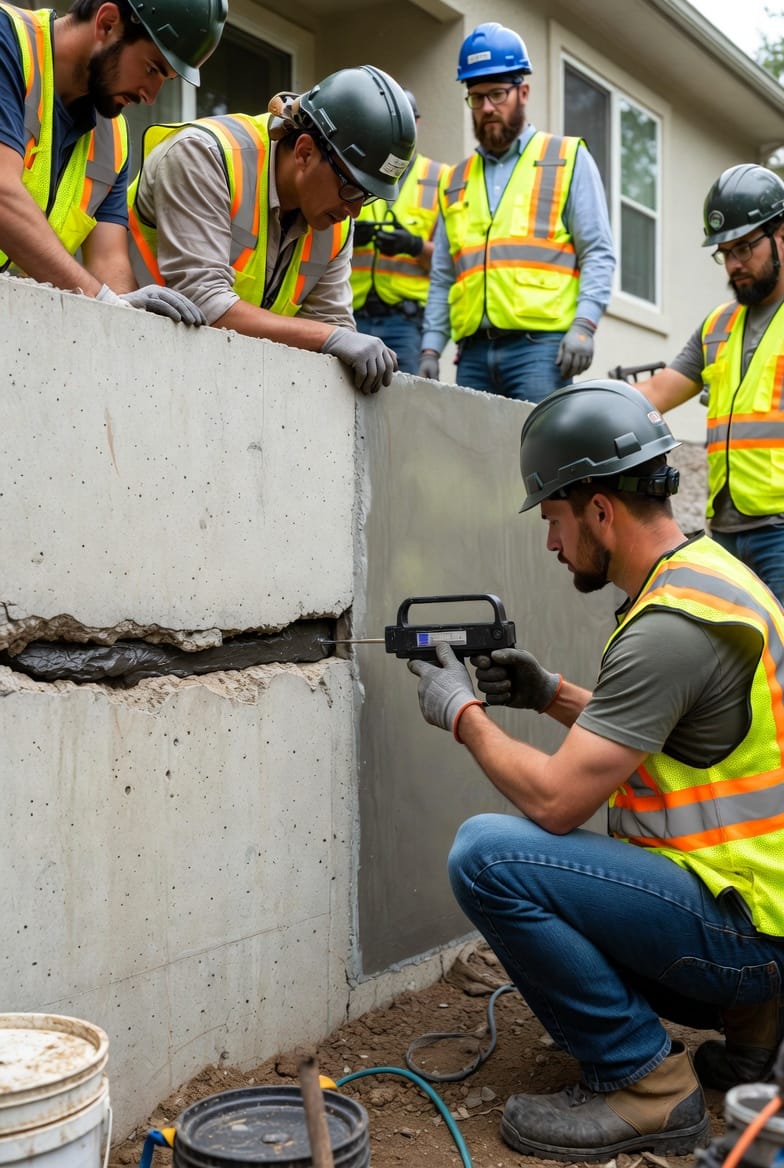
For structural cracks, epoxy injection is the gold standard. This method involves injecting a high-strength, low-viscosity epoxy resin into the crack under pressure, bonding the concrete back together.
- Preparation: Drill ports along the crack and clean it with compressed air or water.
- Injection: Use specialized equipment to force epoxy in, starting from the bottom up.
- Curing: Allow 24-48 hours for the epoxy to harden, restoring structural integrity.
This technique is ideal for foundations and load-bearing walls, as it creates a waterproof seal stronger than the original concrete. We've seen it transform unstable structures into reliable ones, often without excavation.
However, not all structural cracks can be fixed with epoxy alone. If the crack stems from ongoing settlement, a deeper foundational evaluation is essential. This might involve soil testing, helical piers, or underpinning to stabilize the base.
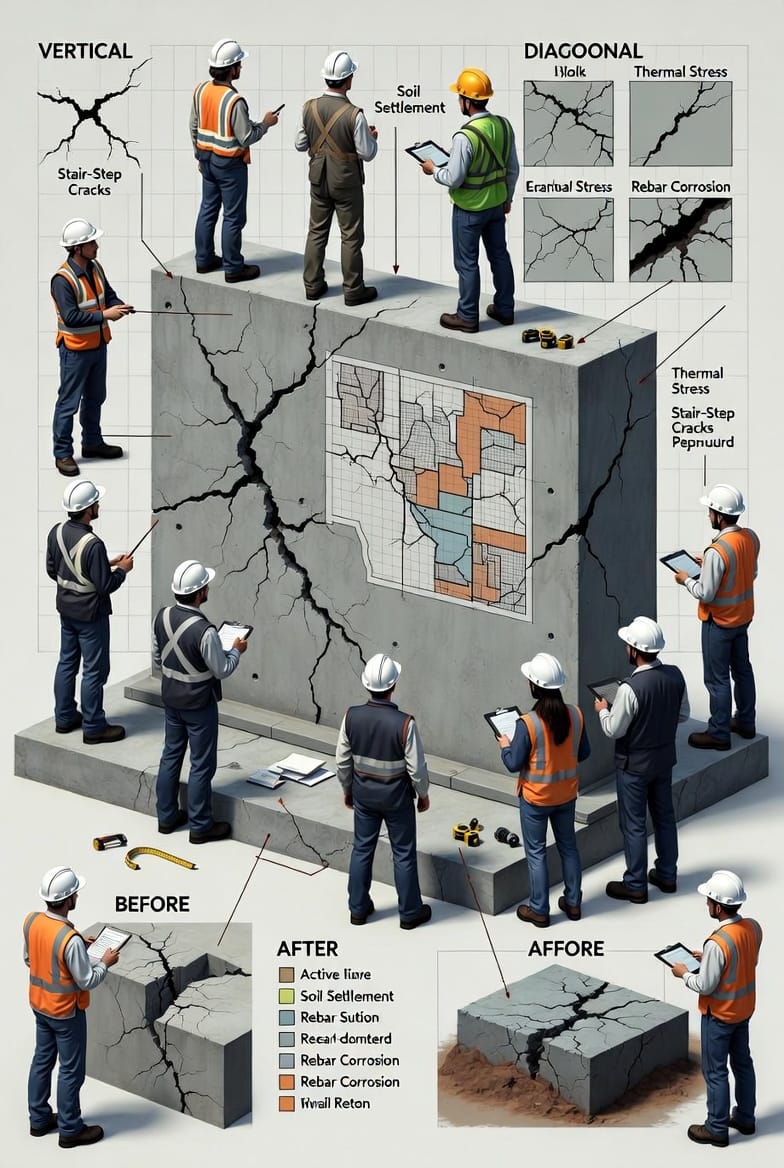
Reading Crack Patterns: A Visual Guide to Diagnosis
Crack patterns tell a story about what's happening beneath the surface. Mastering this "language" of cracks empowers you to act decisively.
Vertical Cracks
Straight up-and-down lines often from settling or shrinkage. If narrow, monitor; if wide, evaluate for foundation issues.
Diagonal Cracks
Angled fissures suggest differential settlement, where one part of the structure sinks more than another. Common in corners or around openings.
Stair-Step Cracks
These zigzag along mortar joints in block walls, indicating shear stress from lateral soil pressure or earthquakes.
Map Cracking
Random, interconnected lines resembling a map, typically from alkali-silica reaction (chemical expansion) or over-troweling.
Each pattern warrants a tailored response. For instance, vertical hairline cracks might just need sealing, while diagonal ones could signal the need for geotechnical engineering input.
When Does a Crack Demand Deeper Foundational Evaluation?
Not every crack requires a full overhaul, but certain red flags shouldn't be ignored. A crack wider than a quarter-inch, especially if it's growing or accompanied by bulging walls, demands immediate attention.
- Displacement: If sides are uneven, it indicates active movement.
- Water Leakage: Seeping moisture accelerates damage via freeze-thaw cycles.
- Location Sensitivity: Cracks in load-bearing areas like beams or columns are critical.
In such cases, skip DIY fixes and consult a structural engineer. They can perform load tests, soil borings, or use ground-penetrating radar to assess subsurface conditions. Our team recommends annual inspections in areas prone to soil instability, like expansive clay regions.
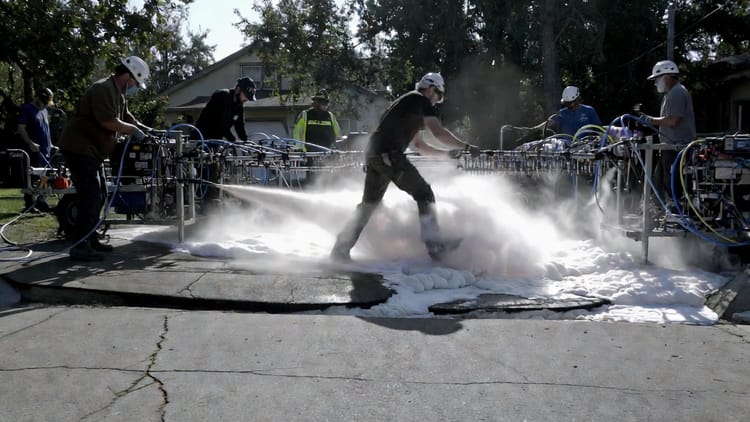
Rest assured, with modern techniques, even severe foundational issues can be resolved without demolishing your home. Methods like slabjacking (injecting grout to lift sunken slabs) or piering provide long-term stability.
Choosing the Right Repair Method: Sealant vs. Epoxy
Selecting between sealant for non-structural cracks and epoxy for structural ones hinges on accurate diagnosis.
- Sealants: Flexible, easy to apply, ideal for surface-level protection against weather.
- Epoxy: Rigid, high-bond strength, perfect for restoring tensile strength in critical areas.
Always match the repair to the crack type—using epoxy on a shrinkage crack is overkill, while sealant on a structural one won't hold. Professional assessments ensure the best outcome.
Preventive Measures: Keeping Cracks at Bay
Prevention is always better than cure. Incorporate these strategies during construction or maintenance:
- Use proper reinforcement like rebar or wire mesh.
- Ensure adequate joint spacing to control shrinkage.
- Maintain consistent moisture during curing.
- Address drainage issues to prevent soil erosion.
Regular maintenance, such as sealing surfaces every few years, extends concrete's lifespan dramatically.
Common Myths About Concrete Cracks Debunked
Myth: All cracks mean the foundation is failing. Reality: Many are superficial and stable.
Myth: Filling a crack with mortar fixes it permanently. Reality: Mortar lacks flexibility and can crack again.
Myth: Cracks only appear in old concrete. Reality: New pours are prone to shrinkage cracks.
By busting these myths, we empower you to approach repairs with confidence.
The Role of Professional Services in Crack Repair
While some fixes are homeowner-friendly, complex cases benefit from expert hands. Certified technicians use advanced tools like epoxy pumps and carbon fiber reinforcements for durable results.
At our firm, we offer comprehensive services from diagnosis to repair, backed by warranties. Don't gamble with your home's safety—professional input ensures peace of mind.
Case Studies: Real-World Crack Resolutions
Consider a suburban home with diagonal basement cracks due to poor drainage. After evaluation, we injected epoxy and installed French drains, halting further damage.
Another example: A commercial slab with map cracking from chemical reactions. We applied surface sealants and monitored, preventing escalation.
These stories highlight that timely, informed action yields excellent outcomes.
Environmental Factors Influencing Concrete Integrity
Climate plays a huge role—freeze-thaw cycles in cold areas widen cracks, while arid regions accelerate shrinkage. Tailor your maintenance to your locale.
Tools and Materials for Effective Repairs
Essential kit: Wire brushes, sealants, epoxy kits, safety gear. Invest in quality for lasting fixes.
Long-Term Monitoring After Repair
Post-repair, check for recurrence quarterly. Use crack monitors—simple devices that track width changes.
Cost Considerations for Concrete Crack Repairs
DIY sealants cost $20-50, while professional epoxy injections range from $500-2000 per crack, depending on size. Factor in value: Proper repairs prevent exponentially higher future costs.
Legal and Insurance Aspects
Some cracks may affect property value or insurance claims. Document everything and consult pros for reports.
Innovations in Concrete Repair Technology
Emerging tech like self-healing concrete (with embedded bacteria that seal cracks) and nanotechnology epoxies promise even better durability.
Conclusion: Diagnose Before You Repair
In the world of concrete crack repair, knowledge is your strongest ally. From harmless hairline shrinkage cracks to serious structural settling cracks, understanding the differences guides effective solutions. Whether opting for simple sealants or advanced epoxy injection, always prioritize accurate diagnosis to avoid unnecessary expenses or risks.
Remember, while this guide provides a solid foundation, nothing replaces a hands-on assessment. Our experts are here to chase those cracks away, ensuring your structure stands strong for years to come.
Don't Wait – Schedule Your Foundation Crack Inspection Today!