Condensation on Windows: Diagnosing Whether It's a Faulty Seal, Poor Humidity Control, or a Window Failure

As winter chills set in or humid summers linger, many homeowners notice condensation on windows—those misty droplets that obscure your view and spark concern. But fear not; this common phenomenon is often a messenger, revealing insights about your home's health. In this comprehensive guide, we'll demystify window condensation, helping you pinpoint whether it's due to a faulty seal, poor humidity control, or even a sign of window efficiency. With our expert advice, you'll gain the confidence to address it effectively, potentially saving on energy bills and preventing long-term damage.
Stop Foggy Windows – Get Professional Help Now
Understanding condensation starts with science: it's the process where water vapor in the air turns into liquid upon contacting a cooler surface. Windows, being the thermal bridge between indoors and out, are prime spots for this. The key is location—where the moisture appears dictates the cause and solution. Let's break it down step by step, empowering you to diagnose like a pro.
The Science Behind Window Condensation
At its core, condensation occurs when the air's dew point—the temperature at which moisture condenses—is met or exceeded by a surface's chill. Indoor air, warmed by heating systems, holds more moisture than cold outdoor air. When humid air hits a cold window, voilà: droplets form.
But not all condensation signals trouble. Some types indicate your windows are performing admirably, while others warn of issues needing attention. By interpreting these signs, you can maintain a comfortable, efficient home. Rest assured, most cases are manageable with simple adjustments or targeted repairs.
Condensation Between the Panes: A Sign of Seal Failure
If you spot fogging or moisture between the glass layers of your double- or triple-pane windows, this is a red flag for a failed window seal. These insulated glass units (IGUs) rely on airtight seals filled with inert gas (like argon) to enhance thermal performance. Over time, seals can degrade due to age, extreme weather, or poor installation, allowing moisture to infiltrate and gas to escape.
Key risks include reduced insulation, leading to higher energy costs—up to 25% more in heating bills—and potential mold growth if unchecked. Don't panic; this isn't a full window failure yet, but prompt action preserves your investment.
- Inspect visually: Look for persistent fog that doesn't clear with weather changes.
- Test for drafts: Feel around the frame for air leaks, which often accompany seal issues.
- Measure humidity: Use a hygrometer to rule out indoor moisture as the culprit.
Actionable steps to resolve:
- Contact a professional for an assessment—seals aren't DIY-fixable.
- Consider IGU replacement: Often cheaper than full window swaps, restoring efficiency.
- Prevent recurrence: Opt for windows with robust warranties and low-emissivity (Low-E) coatings.
With expert intervention, you'll restore clarity and efficiency, turning a potential headache into a straightforward upgrade.
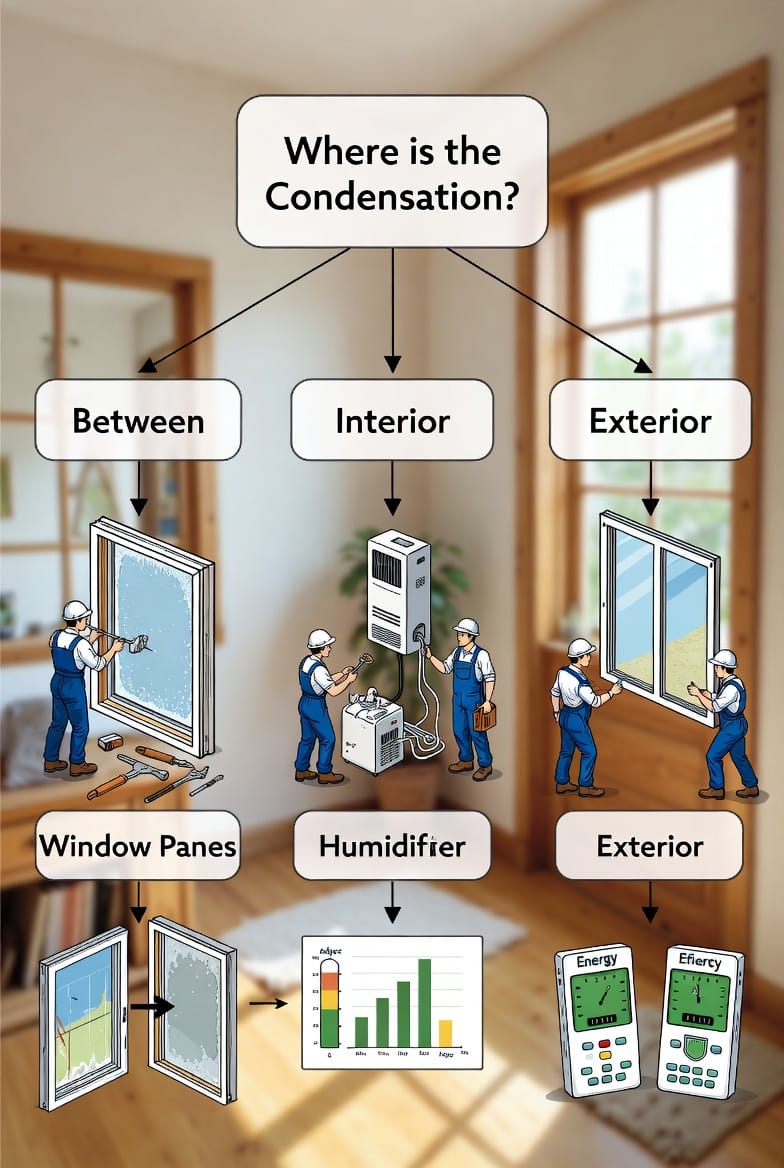
Interior Condensation: Tackling Excess Indoor Humidity
When droplets bead on the room-side of your window, it's typically excess indoor humidity at play. Your home's air is too moist relative to the cold glass, often from daily activities like cooking, showering, or even breathing. This isn't a window flaw but a ventilation or lifestyle indicator.
Boldly addressing this prevents issues like peeling paint, warped frames, or allergens thriving in damp environments. The good news? It's often the easiest to fix with habits and tools you already have.
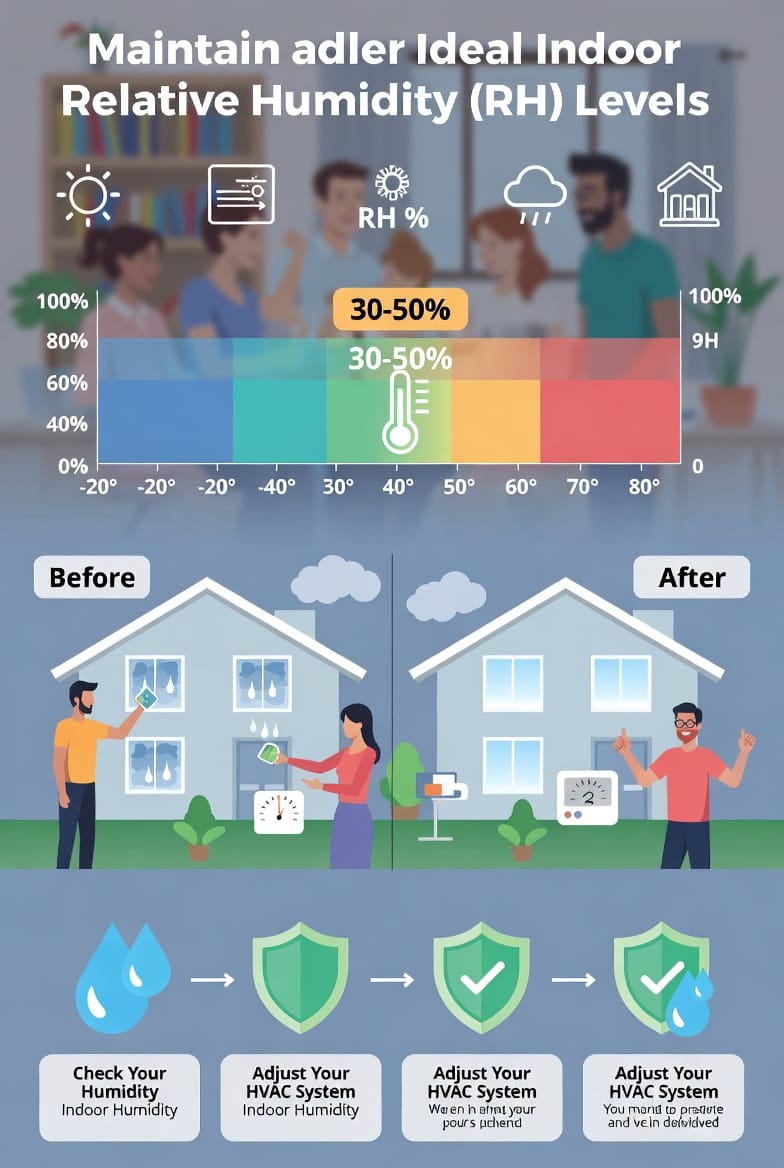
- Monitor levels: Ideal indoor relative humidity (RH) hovers between 30-50% in winter; exceed this, and condensation ensues.
- Identify sources: Pinpoint high-moisture areas like bathrooms or kitchens.
- Assess ventilation: Ensure exhaust fans work and windows can open for fresh air exchange.
Proven solutions include:
- Install dehumidifiers or use moisture-absorbing products like silica gel.
- Upgrade to energy-efficient windows with better U-factors to keep glass warmer.
- Run exhaust fans during moisture-producing activities and consider whole-home ventilation systems.
By controlling humidity, you'll not only banish fog but also enhance indoor air quality, creating a healthier space for your family.
Exterior Condensation: Celebrating Window Efficiency
Surprisingly, moisture on the outside of your windows isn't a problem—it's a pat on the back for your home's insulation. High-performance windows block indoor heat so effectively that the exterior glass stays cold, condensing outdoor humidity like a cold drink on a hot day.
This sign of a good window means your energy-efficient setup is working as intended, reducing heat loss and lowering utility bills. No action needed here, but understanding it avoids unnecessary worry.
- Verify efficiency: Check for Energy Star ratings or Low-E glass.
- Seasonal context: Common in spring/fall with temperature swings.
- Differentiate from issues: Ensure it's truly exterior and not a leak.
Embrace this as proof of smart choices; if it bothers you aesthetically, simple wiping suffices.
Preventing Future Condensation: Long-Term Strategies
Armed with diagnosis skills, let's fortify your home against recurrence. Proactive maintenance is key, blending technology and habits for lasting results.
- Seal checks: Annually inspect caulking and weatherstripping.
- Humidity management: Invest in smart hygrometers that alert via apps.
- Window upgrades: If failures persist, explore vinyl or fiberglass frames for superior durability.
Remember, condensation isn't inevitable; with vigilance, your windows remain clear sentinels.
When to Seek Professional Help
While DIY diagnostics empower you, some scenarios demand expertise—especially seal repairs or systemic humidity issues. Professionals bring tools like thermal imaging to uncover hidden problems, ensuring accurate fixes. Our team stands ready to restore your home's clarity and comfort.
Professional Condensation Solutions – Call Today