Concrete Restoration: Repair, Resurface, or Replace? Making the Right Choice
Concrete is the backbone of many structures, from driveways and patios to sidewalks and foundations. Yet, over time, even the sturdiest concrete can succumb to wear and tear. Homeowners often face the dilemma: should you repair, resurface, or replace? Making the wrong choice can lead to costly mistakes, but with the right knowledge, you can restore your concrete's integrity and aesthetics efficiently. In this comprehensive guide, we'll differentiate solutions for common issues like cracks, settling, and surface wear, while explaining key processes such as crack sealing, polyurethane foam jacking, decorative overlays, and full replacement. Armed with this information, you'll make an informed decision that saves time and money.
Stop Sinking Concrete – Call for Foam Jacking Today
Understanding Common Concrete Problems
Before diving into solutions, it's essential to identify the root causes of concrete deterioration. Concrete issues aren't just cosmetic; they can compromise safety and structural stability if ignored. Let's break down the primary problems:
- Cracks: These often result from soil movement, temperature fluctuations, or poor initial installation. Hairline cracks might seem minor, but wider ones can allow water infiltration, leading to further damage.
- Settling: Also known as sinking or uneven slabs, this occurs when the soil beneath erodes or compacts unevenly. It can create trip hazards and affect drainage.
- Surface Wear: This includes pitting, scaling, or discoloration from weather exposure, de-icing salts, or heavy traffic. Over time, it diminishes the concrete's appearance and functionality.
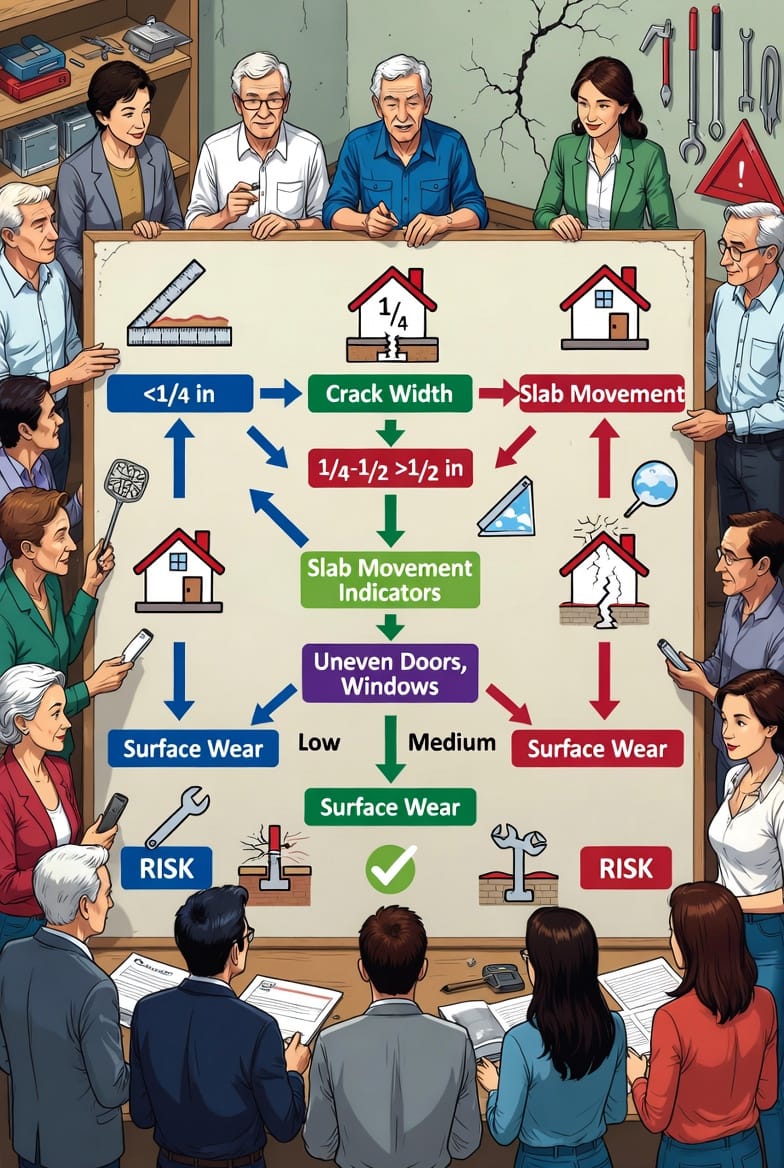
Recognizing these early is key. A professional assessment can pinpoint the severity— for instance, cracks wider than 1/4 inch or slabs sunken more than 2 inches often require more than simple fixes. Rest assured, modern techniques make restoration straightforward and durable.
When to Repair: Targeting Specific Issues
Repair is often the most cost-effective option for localized problems. It focuses on fixing without overhauling the entire surface. Here's how it applies to different issues:
Crack Sealing Process
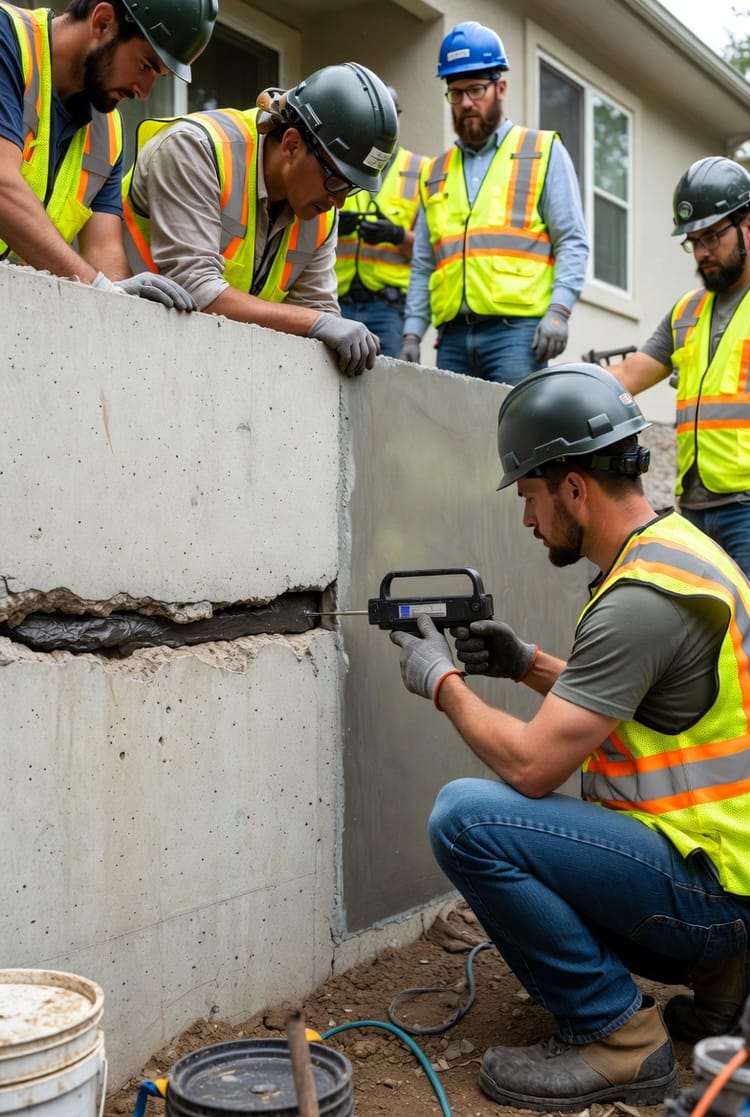
For cracks, crack sealing is a go-to method. This involves cleaning the crack, then injecting a flexible sealant like epoxy or polyurethane to prevent moisture entry. The process typically takes a few hours and cures quickly.
- Benefits: Maintains structural integrity, prevents expansion, and is minimally invasive.
- Ideal For: Hairline to moderate cracks (up to 1/2 inch) without underlying settling.
- Risks if Ignored: Water seepage can freeze and expand cracks, leading to costly escalations.
Professionals use specialized tools to ensure a seamless finish, blending the repair with the existing concrete.
Addressing Settling with Polyurethane Foam Jacking
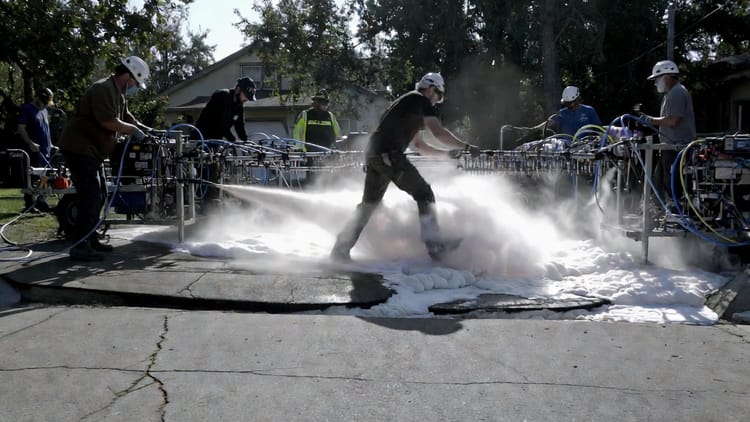
Settling demands a lifting solution like polyurethane foam jacking. This innovative technique injects expanding foam through small holes drilled into the slab, raising it back to level. It's precise, with foam hardening in minutes.
- Step-by-Step: Drill 5/8-inch holes, inject foam, monitor lift with lasers, patch holes.
- Advantages: Quick (often same-day), lightweight foam doesn't add burden to soil, environmentally friendlier than mudjacking.
- When to Choose: For slabs sunken 1-4 inches with no major cracks.
This method restores evenness without excavation, making it a reassuring choice for busy homeowners.
When to Resurface: Enhancing Aesthetics and Durability
If surface wear is widespread but the underlying structure is sound, resurfacing offers a fresh start without full demolition. This involves applying a thin layer over the existing concrete, transforming its look and feel.
Decorative Overlays Explained
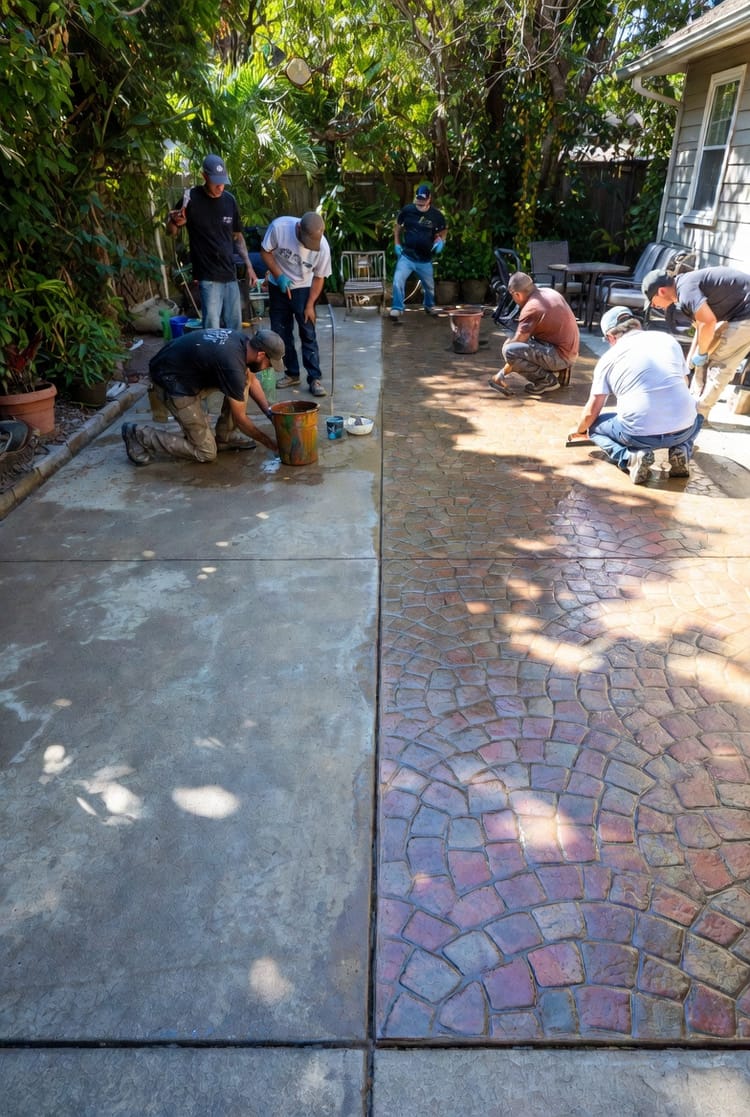
Decorative overlays are polymer-modified cementitious materials stamped or textured to mimic stone, brick, or wood. The process starts with surface preparation—cleaning and etching for adhesion—followed by overlay application and sealing.
- Key Steps: Grind or acid-etch old surface, mix and apply overlay (1/8 to 1/4 inch thick), stamp patterns, apply color and sealer.
- Best Suited For: Faded, pitted surfaces on patios or driveways where you want a cosmetic upgrade.
- Longevity: With proper sealing, overlays can last 10-15 years, resisting UV and chemicals.
This approach not only repairs wear but elevates your property's curb appeal, providing an authoritative upgrade that's both practical and stylish.
Comparing Resurfacing to Repair
Unlike targeted repairs, resurfacing covers the entire area, masking multiple minor issues at once. It's ideal when cracks are superficial and settling is minimal. However, if settling exceeds 2 inches, combine it with foam jacking for optimal results.
When to Replace: The Full Overhaul
Sometimes, restoration isn't enough, and full replacement is the wisest path. This is reserved for severe damage where repairs or resurfacing would be temporary bandaids.
Full Replacement Process
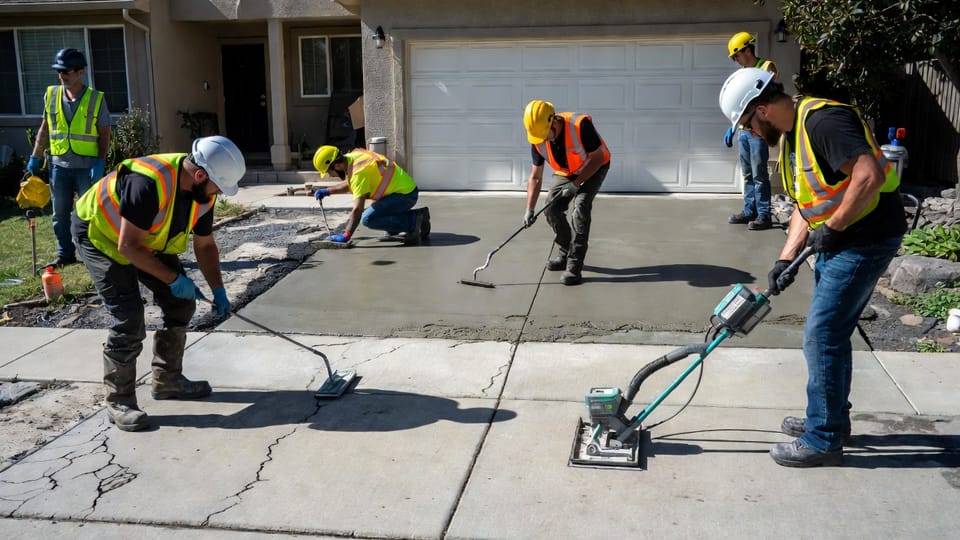
Full replacement entails removing the old concrete, preparing the base, and pouring new. It's labor-intensive but ensures a like-new foundation.
- Phases: Demolish and haul away old slab, compact sub-base with gravel, install rebar or wire mesh, pour and finish concrete, cure and seal.
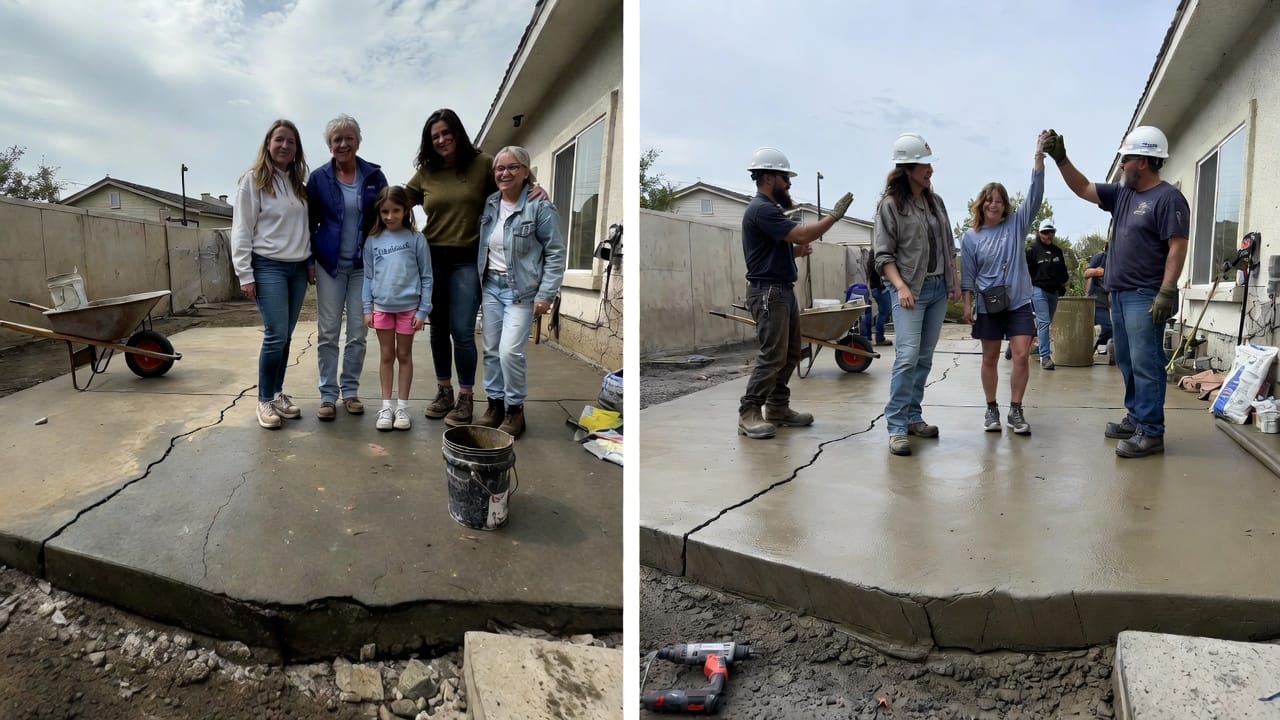
- Indications: Extensive cracking (network patterns), severe settling (>4 inches), or contamination like oil that penetrates deeply.
- Pros and Cons: Offers unmatched durability (20-30+ years), but higher upfront cost and disruption.
Professionals emphasize proper base preparation to prevent future issues, using high-strength mixes tailored to your climate.
Differentiating Solutions: A Tailored Approach
Choosing between repair, resurface, or replace hinges on the issue's type and extent:
- For Cracks: Start with sealing; escalate to resurfacing if aesthetic concerns arise.
- For Settling: Foam jacking is often sufficient; replace if the slab is fragmented.
- For Surface Wear: Overlays shine here, but if combined with other problems, weigh full replacement.
Factors like budget, timeline, and usage play roles. For high-traffic areas, prioritize durable options. Always consult experts to avoid risks such as improper fixes leading to recurrence.
Cost Considerations and ROI
Restoration costs vary: crack sealing might run $5-15 per linear foot, foam jacking $5-25 per square foot, overlays $3-10 per square foot, and replacement $4-8 per square foot (plus removal). While replacement is pricier initially, it offers the best long-term ROI by preventing ongoing repairs. Energy-efficient sealers can even reduce maintenance, adding value to your home.
Maintenance Tips for Longevity
Post-restoration, proactive care extends life:
- Seal annually to block moisture.
- Avoid de-icing salts; use sand instead.
- Address drainage issues promptly.
- Inspect seasonally for early signs.
These habits ensure your concrete remains safe and beautiful.
Environmental and Safety Aspects
Modern methods like foam jacking use eco-friendly materials with low VOCs. Safety-wise, leveled surfaces prevent falls, crucial for families. Authoritative standards from the American Concrete Institute guide professionals, reassuring you of quality outcomes.
Case Studies: Real-World Success
Consider a suburban driveway with settling cracks: Foam jacking lifted it, followed by an overlay—total cost under $2,000, lasting a decade. Or a worn patio: Full replacement with stamped concrete boosted home value by 5%. These examples highlight tailored solutions' effectiveness.
FAQs on Concrete Restoration
- How long does crack sealing last? Typically 5-10 years, depending on traffic.
- Is resurfacing waterproof? With sealers, yes, but not a substitute for structural fixes.
- When is replacement unavoidable? When damage affects over 50% of the area or foundation integrity.
Final Thoughts
Navigating concrete restoration doesn't have to be overwhelming. By understanding cracks, settling, and surface wear, and processes like crack sealing, polyurethane foam jacking, decorative overlays, and full replacement, you're equipped to choose wisely.
Stop Sinking Concrete – Call for Foam Jacking Today