Choosing Garage Door Materials: A Comparative Guide to Steel, Wood, Aluminum, and Composite
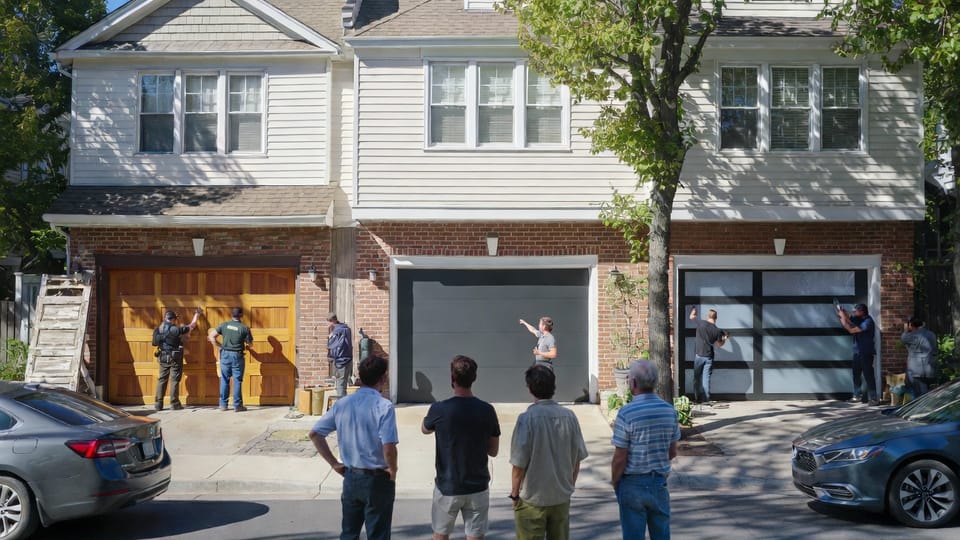
When selecting a garage door, the material choice is more than just an aesthetic decision—it's the foundation of your home's security, energy efficiency, and long-term value. As a homeowner, you want a door that withstands daily use, harsh weather, and the test of time without constant upkeep. In this comprehensive guide, we'll dive deep into the core material options: steel, wood, aluminum, and composite. We'll analyze key factors like strength, insulation value (R-value), maintenance requirements, resistance to dents and weather, and cost, empowering you to make an informed choice. Rest assured, with the right material, your garage door can enhance curb appeal while providing reliable performance for years.
Upgrade to a Tougher Garage Door – Call Now!
Garage doors endure everything from extreme temperatures to accidental impacts, so durability should top your priorities. According to industry standards, a well-chosen material can reduce energy bills by up to 20% through better insulation and minimize repair costs over a decade. Let's break it down material by material, highlighting strengths and potential drawbacks in a reassuring, straightforward way.
Understanding Garage Door Strength: The Backbone of Durability
Strength refers to a material's ability to handle structural stress, impacts, and weight without warping or failing. This is crucial for larger doors or those in high-wind areas. For instance, in regions prone to hurricanes or heavy snow, opting for high-strength materials prevents costly failures.
- Steel: Known for its exceptional tensile strength, steel doors can support heavy insulation layers and resist bending under pressure.
- Wood: Offers natural robustness but varies by species—hardwoods like oak provide superior strength compared to softer pines.
- Aluminum: Lightweight yet strong in framed designs, though pure aluminum may flex more than reinforced versions.
- Composite: Engineered for optimal strength-to-weight ratios, often surpassing natural materials in load-bearing tests.
By prioritizing strength, you ensure your garage door remains functional and secure, even in demanding environments.
Insulation Value: Keeping Your Home Comfortable and Efficient
The R-value measures a material's thermal resistance—the higher the number, the better it insulates against heat loss or gain. This directly impacts your home's energy efficiency, especially if your garage is attached to living spaces. Modern garage doors can achieve R-values from 6 to over 20, depending on the material and added insulation like polyurethane foam.
Steel's Insulation Edge
Steel doors excel here, often featuring sandwiched foam cores that boost R-values to 15-20. This makes them ideal for climates with temperature swings, reducing heating and cooling costs. For example, a steel door with high R-value can maintain garage temperatures within 10 degrees of your home's interior, preventing drafts.
Wood's Natural Insulation
Wood provides moderate insulation, typically R-values of 5-10 without enhancements. Its cellular structure traps air, but it absorbs moisture, which can degrade performance over time. Adding insulation panels can improve this, making wood a viable option in milder climates.
Aluminum's Lightweight Approach
Aluminum has lower inherent insulation (R-values around 4-8), but modern designs incorporate thermal breaks and foam inserts to enhance efficiency. It's suitable for coastal areas where corrosion resistance matters more than extreme insulation.
Composite's Advanced Thermal Performance
Composites blend materials like fiberglass and resin, achieving R-values up to 18 with minimal weight. They're engineered to resist thermal bridging, offering consistent insulation that doesn't warp with humidity changes.
Choosing a high R-value material not only saves on utility bills but also creates a more comfortable workspace in your garage.
Maintenance Requirements: Ease for Long-Term Ownership
No one wants a garage door that demands frequent attention. Maintenance requirements vary by material, influencing your time and expense. Regular care can extend a door's lifespan from 15 to 30+ years.
- Steel: Low-maintenance with factory finishes that resist chipping. Annual lubrication of moving parts and occasional washing suffice.
- Wood: Higher upkeep—requires staining or painting every 2-5 years to prevent rot, plus checks for insect damage.
- Aluminum: Minimal needs; anodized or powder-coated surfaces clean easily and don't rust, though dents may need professional fixes.
- Composite: Virtually maintenance-free, with UV-resistant coatings that hold color without fading or cracking.
With proper selection, you can enjoy a hassle-free door that retains its beauty effortlessly.
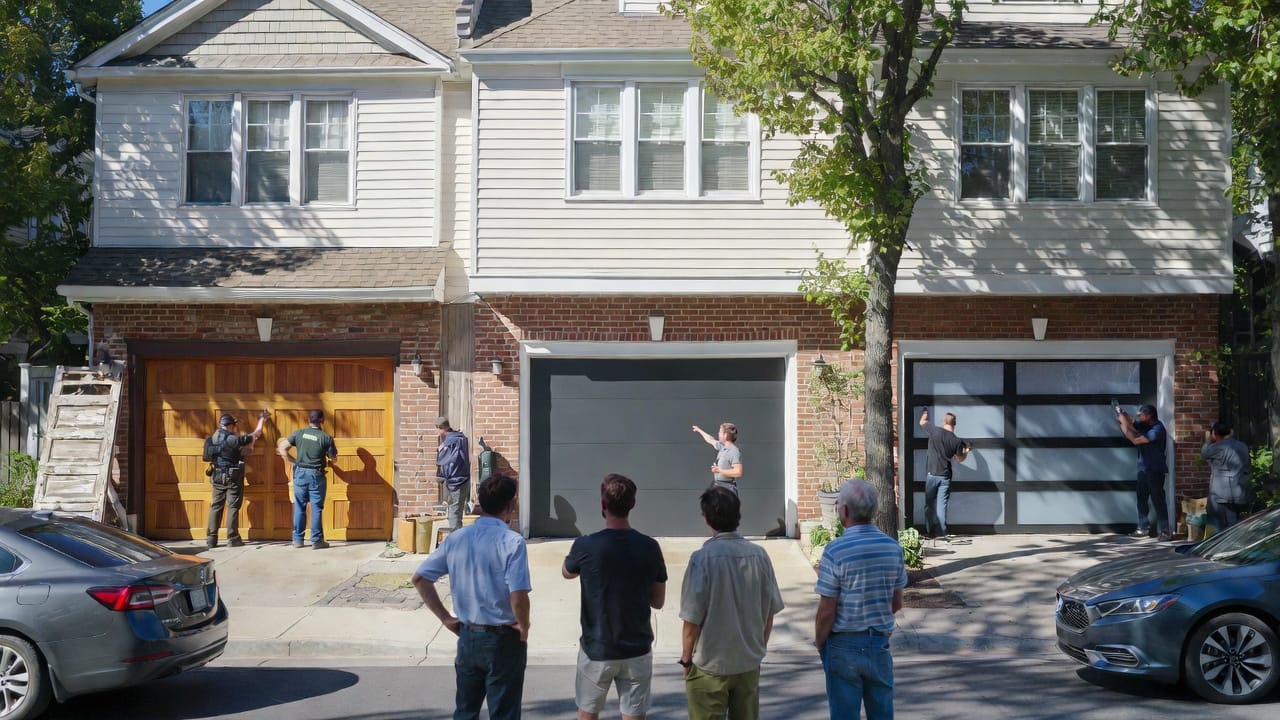
Resistance to Dents and Weather: Battling the Elements
Garage doors face constant exposure to impacts (from vehicles or sports equipment) and weather (rain, sun, wind). Resistance to dents and weather determines how well a material holds up without frequent repairs.
Steel's Tough Exterior
Steel offers superior dent resistance, especially in thicker gauges (24-28). Galvanized coatings prevent rust, making it weatherproof in humid or salty environments. However, without insulation, it can conduct cold, leading to condensation issues.
Wood's Organic Resilience
Wood resists dents better than softer metals but is vulnerable to weather—moisture causes swelling, cracking, or warping. Sealed properly, it withstands elements, but neglect can lead to costly rot repairs.
Aluminum's Corrosion-Free Durability
Aluminum shines in weather resistance, naturally oxidizing to form a protective layer against rust. It's dent-prone in thin sheets but rebounds well; ideal for coastal homes where salt air is a factor.
Composite's All-Weather Fortitude
Composites mimic wood's look without its weaknesses, resisting dents through flexible polymers and weathering UV rays without fading. They're engineered for extreme conditions, from freezing winters to scorching summers.
Selecting a material with strong resistance minimizes downtime and preserves your investment.
Cost Considerations: Balancing Budget and Value
Cost encompasses initial purchase, installation, and long-term savings. Prices range from $800 for basic models to $5,000+ for premium insulated versions, influenced by size, style, and features.
- Steel: Affordable entry point ($1,000-$3,000), with excellent value due to durability and low maintenance offsetting upfront costs.
- Wood: Higher initial investment ($2,000-$5,000) for authentic appeal, but ongoing maintenance can add 10-20% to lifetime expenses.
- Aluminum: Mid-range ($1,500-$4,000), cost-effective for modern designs with minimal upkeep.
- Composite: Premium pricing ($2,500-$4,500) justified by superior longevity and efficiency, often recouping costs through energy savings.
Factor in warranties—many materials offer 20- lifetime coverage— to ensure your choice delivers lasting value.
Making the Right Choice: Tailoring to Your Needs
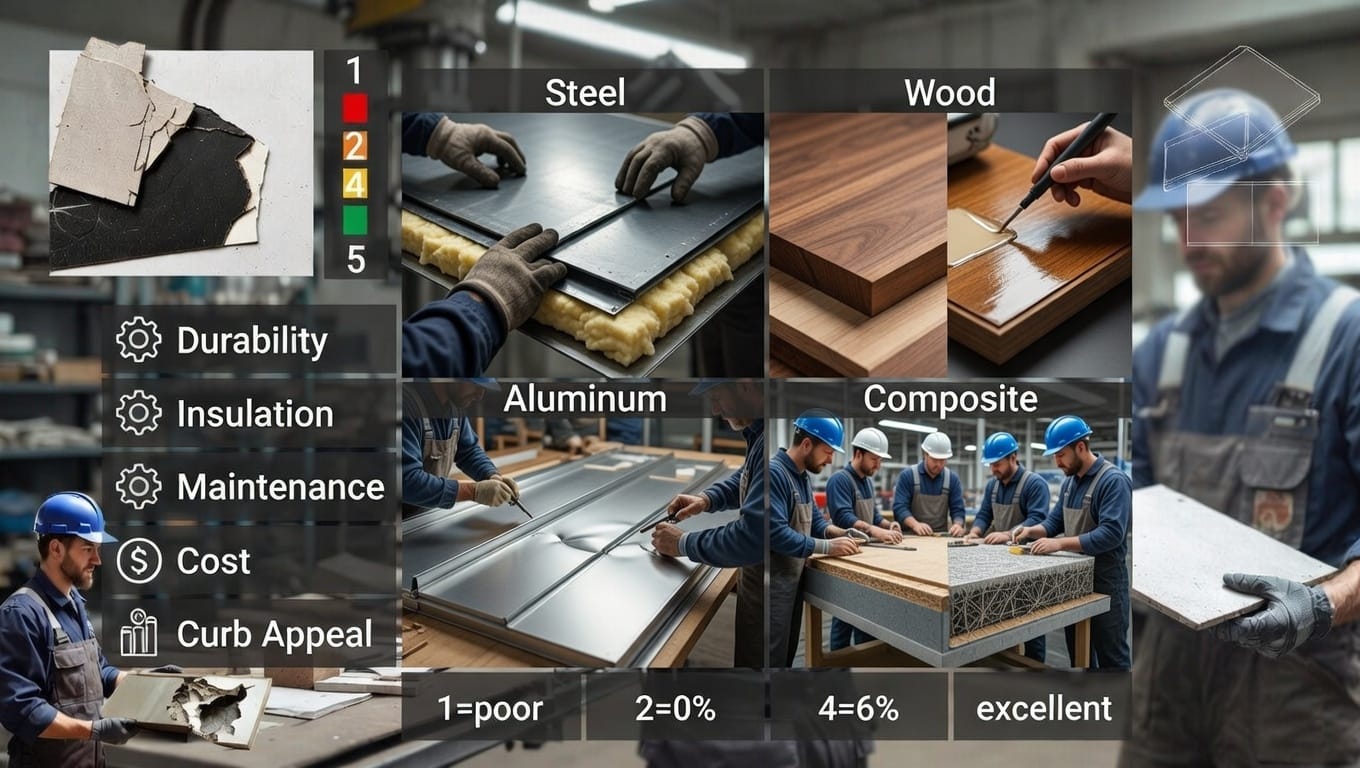
Each material has unique advantages, but the best fit depends on your climate, budget, and lifestyle. For ultimate durability in harsh weather, steel or composite lead the pack. If timeless elegance matters, wood delivers with proper care. Aluminum suits modern, low-maintenance preferences.
Consider consulting professionals to assess your specific setup—factors like door size and opener compatibility play roles. Rest assured, investing in quality materials pays dividends in security and home value.
In summary, prioritize durability through informed comparisons of strength, insulation, maintenance, resistance, and cost. Your garage door isn't just an entry—it's a shield for your home.
Secure Superior Insulation & Strength – Call Now!