Calculating Your Dumpster Size: A Project-Based Guide to Choosing 10, 20, 30, or 40 Cubic Yards
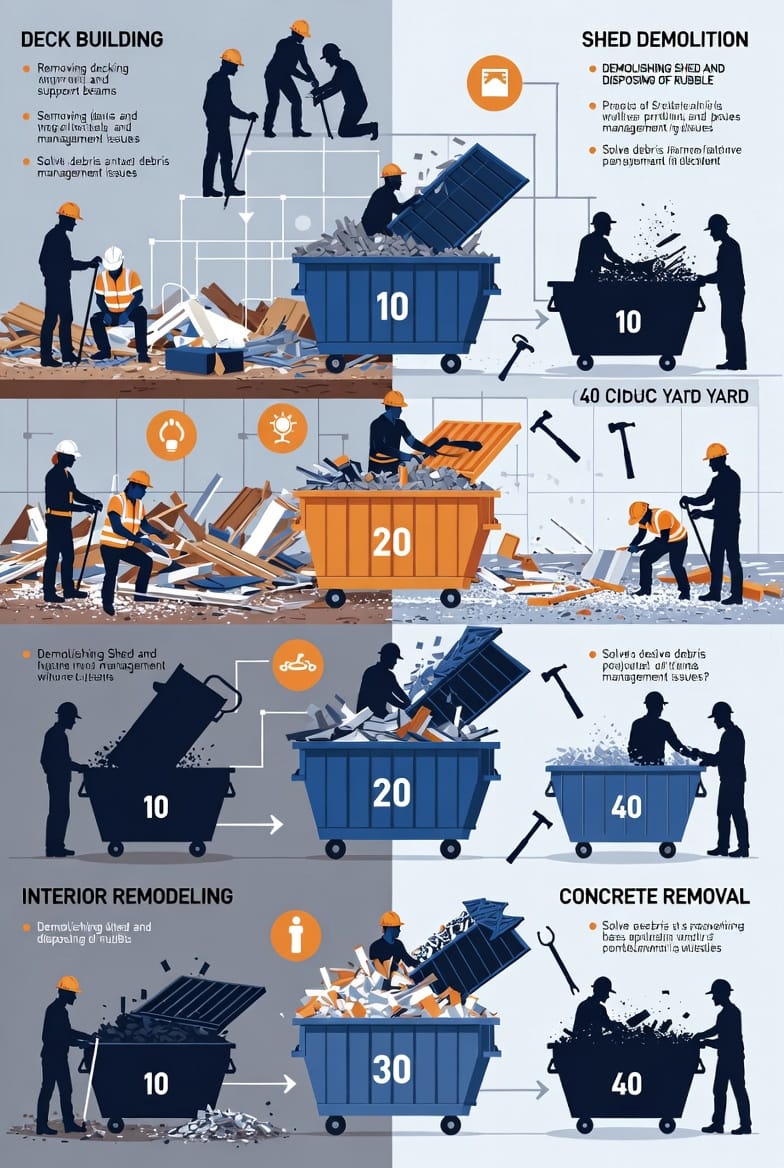
When embarking on a home improvement, construction, or cleanup project, one of the most critical decisions you'll make is selecting the right dumpster size. Choosing incorrectly can lead to unnecessary expenses, project delays, or even safety hazards. But don't worry—our comprehensive guide will equip you with the knowledge to make an informed choice. We'll break down common dumpster sizes—10 cubic yards, 20 cubic yards, 30 cubic yards, and 40 cubic yards—and provide a practical, project-based approach to calculating your needs. By understanding debris volumes and using real-world examples, you'll avoid costly mistakes and ensure a smooth process.
Avoid Size Mistakes – Call for Expert Sizing Today
As experts in waste management, we assure you that with the right tools and insights, sizing your dumpster is straightforward. This guide is designed to be your go-to resource, optimized for those searching for dumpster size calculator, how to choose dumpster size, or project debris estimation. Let's dive in and demystify the process.
Understanding Dumpster Sizes: The Basics
Dumpsters are measured in cubic yards, which represent the volume they can hold. One cubic yard is equivalent to a space that's 3 feet long, 3 feet wide, and 3 feet high—or about the size of a standard washing machine. Here's a quick overview of the most common sizes:
- 10 Cubic Yards: Ideal for small projects. Dimensions are typically 12 ft long x 8 ft wide x 4 ft high. Holds about 3 pickup truck loads.
- 20 Cubic Yards: Great for medium-sized jobs. Usually 22 ft long x 8 ft wide x 4 ft high, equivalent to 6-8 pickup truck loads.
- 30 Cubic Yards: Suited for larger undertakings. Often 22 ft long x 8 ft wide x 6 ft high, handling 9-12 pickup truck loads.
- 40 Cubic Yards: For major projects or commercial use. Typically 22 ft long x 8 ft wide x 8 ft high, accommodating 12-16 pickup truck loads.
These sizes aren't just numbers—they directly impact your project's efficiency. Underestimating can mean multiple hauls and extra fees, while overestimating wastes money on unused space. Our authoritative advice: Always factor in the type of debris, as materials like concrete are heavier and may require smaller sizes due to weight limits.
Why Accurate Sizing Matters: Avoiding Common Pitfalls
Selecting the wrong dumpster size is a frequent error that can derail your timeline and budget. Overfilling risks include fines from haulers or even structural damage to the container. Conversely, renting too large a unit means paying for capacity you don't use. According to industry standards, proper sizing can save up to 20-30% on rental costs.
To prevent these issues, consider:
- Debris Density: Lightweight materials like yard waste allow for fuller loads, while dense items like dirt or shingles limit volume.
- Project Scope: Larger projects generate more waste unpredictably—always add a 10-20% buffer.
- Local Regulations: Some areas have restrictions on dumpster placement or weight, so check with your provider.
Rest assured, with our project-based guide, you'll navigate these challenges confidently. We've helped countless clients avoid these pitfalls, and you can too.
A Practical Dumpster Size Calculator: Step-by-Step
Calculating your dumpster needs doesn't require complex math—our simple formula and examples make it accessible. Start by estimating your debris volume using this cubic yard calculator method:
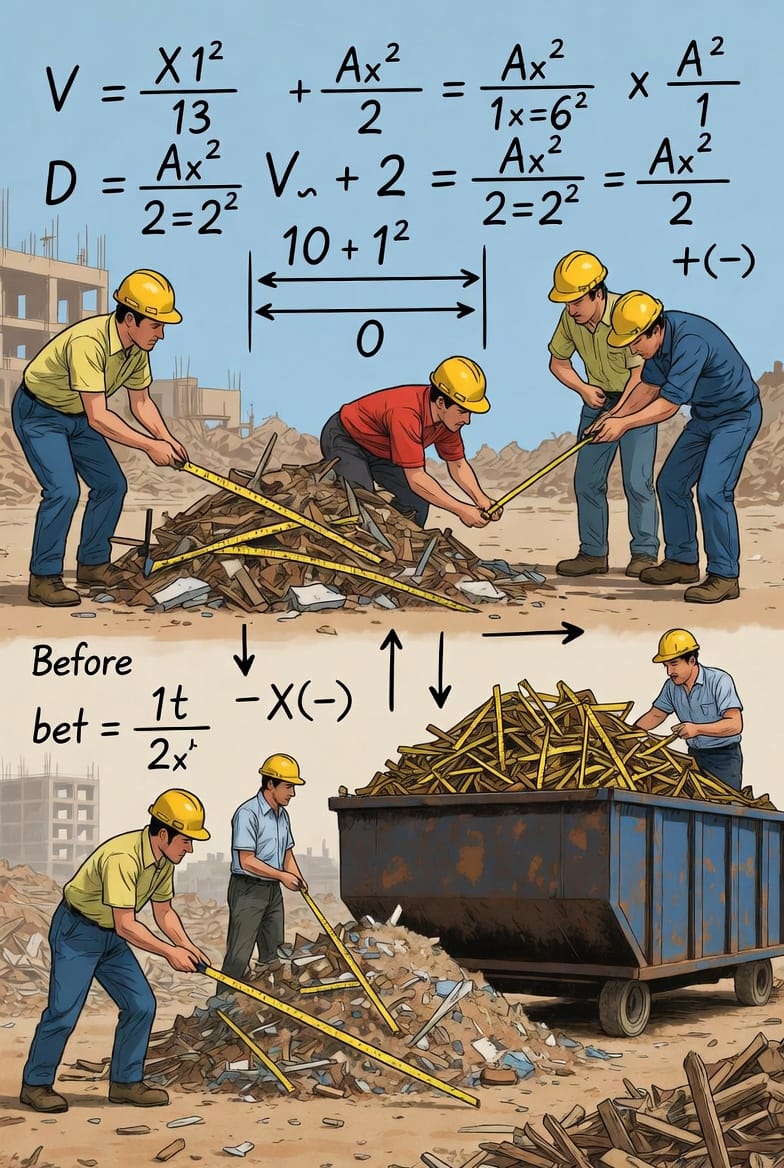
- Measure the debris pile: Length (L) x Width (W) x Height (H) in feet.
- Calculate volume: (L x W x H) / 27 = Cubic Yards (since 27 cubic feet = 1 cubic yard).
- Add a buffer: Multiply by 1.1-1.2 for unexpected waste.
For irregularly shaped piles, break them into smaller sections and sum the volumes. This approach ensures precision and prevents surprises.
Project-Based Examples: Matching Debris to Dumpster Sizes
To make sizing tangible, let's explore common projects with estimated debris volumes. These examples are drawn from real-world scenarios to help you visualize and plan.
Small-Scale Projects: Opt for 10 Cubic Yards
For compact jobs, a 10-yard dumpster is often sufficient and cost-effective.
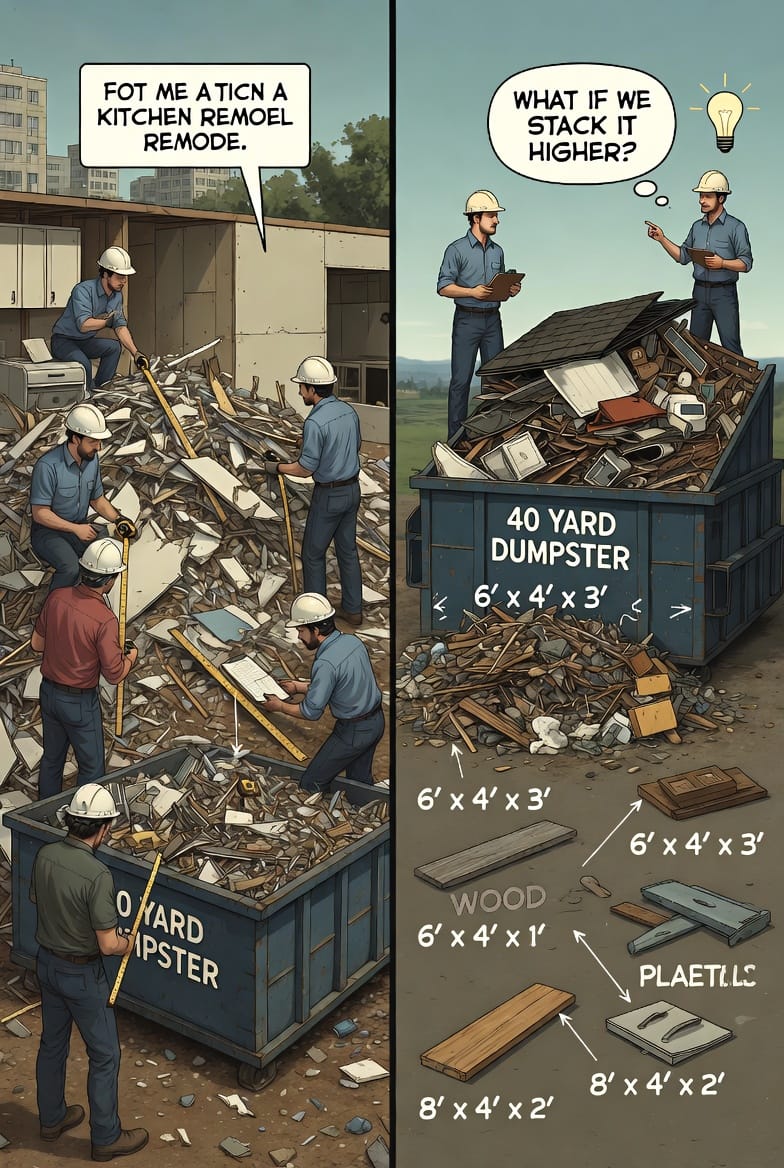
- Kitchen Remodel: Removing cabinets, appliances, and flooring from a standard 200-300 sq ft kitchen typically yields ~8-10 cubic yards of debris. Example: A full gut renovation might include old countertops and tiles—perfect for this size to avoid overflow.
- Bathroom Renovation: Demolishing a single bathroom (fixtures, tiles, vanity) generates ~5-7 yards. It's ideal for tight spaces where larger dumpsters won't fit.
- Yard Cleanup: Trimming bushes, removing small trees, or clearing garden waste from a 1/4-acre lot equals ~6-9 yards. Lightweight debris fills it quickly without exceeding weight limits.
These projects benefit from the 10-yarder's maneuverability, especially in residential areas.
Medium Projects: Choose 20 Cubic Yards
When scaling up, a 20-yard dumpster strikes a balance between capacity and accessibility.
- Roof Tear-Off: For a 1,500 sq ft house, removing old shingles and underlayment produces ~15-20 yards. Factor in the roof's pitch—steeper ones generate more waste.
- Deck Demolition: Tearing down a 300-500 sq ft deck, including wood and railings, results in ~10-15 yards. This size handles bulky items efficiently.
- Garage Cleanout: Clearing out accumulated junk from a two-car garage (furniture, boxes, appliances) yields ~12-18 yards. It's reassuring for homeowners tackling long-overdue purges.
This size prevents multiple trips, saving time and money.
Larger Endeavors: Go for 30 Cubic Yards
For extensive work, a 30-yard dumpster provides ample space without overwhelming your site.
- Whole-Home Cleanout: Estate sales or moving from a 2,000 sq ft home can generate ~20-25 yards of mixed debris like furniture and household items.
- Basement or Attic Renovation: Gutting and remodeling these spaces, including insulation and framing, equals ~18-25 yards. Heavy materials like drywall add up quickly.
- Landscaping Overhaul: Removing sod, rocks, and old features from a half-acre yard produces ~20-28 yards. Ideal for soil and plant waste.
With this capacity, you're covered for most residential expansions.
Major Projects: Select 40 Cubic Yards
For commercial or large-scale residential jobs, the 40-yard dumpster is the workhorse.
- New Construction Cleanup: Building a 2,500 sq ft home generates ~30-40 yards of scraps like lumber, packaging, and excess materials.
- Commercial Renovation: Updating a small office or retail space (1,000-2,000 sq ft) yields ~25-35 yards, including partitions and fixtures.
- Large Demolition: Tearing down a shed, addition, or small structure (up to 1,000 sq ft) results in ~28-38 yards of rubble.
This size ensures you handle high-volume waste without interruptions.
By aligning your project with these examples, you'll minimize risks and maximize efficiency.
Advanced Tips for Precise Estimation
To refine your calculations, consider these expert strategies:
- Material-Specific Volumes: Drywall: 1 sheet = 0.02 yards; Shingles: 3 bundles = 1 yard; Concrete: 1 cubic foot = heavy, so limit to 10-20 yards max per load.
- Weight Considerations: Most dumpsters have 2-10 ton limits. Heavy debris like dirt or bricks may require smaller sizes.
- Seasonal Factors: Spring cleanups might add yard waste, increasing volume by 10-15%.
- Professional Consultation: If unsure, describe your project details—scope, materials, timeline—for tailored advice.
Using tools like online calculators or apps can supplement, but nothing beats personalized expertise.
Common Mistakes and How to Avoid Them
Even seasoned pros slip up. Here's how to steer clear:
- Underestimating Expansion: Projects often grow—add that buffer!
- Ignoring Debris Type: Mixed waste vs. clean loads affects pricing and sizing.
- Overlooking Permits: In urban areas, secure them early to avoid delays.
Our reassuring tone: These are avoidable with planning. We've seen it all, and proper preparation leads to success.
Eco-Friendly Sizing: Sustainability in Waste Management
Choosing the right size also supports environmental responsibility. Oversized dumpsters mean more fuel for transport; undersized lead to extra trips. Opt for recyclables separation to reduce landfill impact—many providers offer sorting services.
Final Thoughts: Get It Right the First Time
Mastering dumpster sizing transforms a daunting task into a manageable one. By using our project-based examples and calculator, you'll confidently select between 10, 20, 30, or 40 cubic yards, avoiding costly errors.
Not Sure Which Size? Call Our Sizing Specialists