Beyond the Downspout: Creative and Functional Solutions for Managing Roof Runoff

When it comes to roof runoff management, many homeowners focus solely on gutters and downspouts, but the real challenge begins once the water exits the downspout. Improper handling of this water can lead to foundation damage, soil erosion, and even basement flooding. Fortunately, there are innovative and practical solutions that not only protect your home but also enhance your landscaping. In this comprehensive guide, we'll explore creative ways to manage water after it leaves the downspout, ensuring your property remains safe, beautiful, and eco-friendly.
Protect Your Foundation – Call Now for Custom Runoff Solutions!
As experts in integrated drainage systems, we understand the importance of directing rainwater away from your foundation while turning potential problems into landscaping assets. Whether you're dealing with heavy downpours or seeking sustainable water management, these strategies offer reassuring reliability and long-term benefits. Let's dive into the options that go beyond basic downspouts.
Understanding the Risks of Poor Runoff Management
Before exploring solutions, it's essential to grasp why managing roof runoff is critical. Rainwater cascading from your roof can accumulate around your home's foundation, leading to:
- Structural Damage: Excess moisture weakens concrete, causing cracks and shifts over time.
- Erosion and Landscaping Loss: Uncontrolled water washes away soil, plants, and mulch, disrupting your yard's design.
- Water Infiltration: Basements and crawl spaces become prone to leaks, fostering mold and mildew.
- Environmental Impact: Runoff can carry pollutants into local waterways, affecting ecosystems.
By addressing runoff at the downspout exit, you mitigate these risks effectively. Our authoritative approach emphasizes solutions that are both functional and visually appealing, integrating seamlessly with your outdoor space.
Aesthetic Alternatives: Rain Chains and Decorative Elements
One of the most charming ways to handle roof runoff is through rain chains. These decorative alternatives to traditional downspouts guide water downward in a visually pleasing manner, often creating a gentle, cascading effect that mimics a waterfall.
Why Choose Rain Chains?
Rain chains originated in Japan centuries ago and have gained popularity for their blend of form and function. Made from materials like copper, aluminum, or even recycled glass, they:
- Enhance Curb Appeal: Transform a mundane downspout into an artistic focal point.
- Reduce Splash: Slow the water flow, minimizing erosion at the base.
- Promote Sustainability: Encourage water collection for garden use.
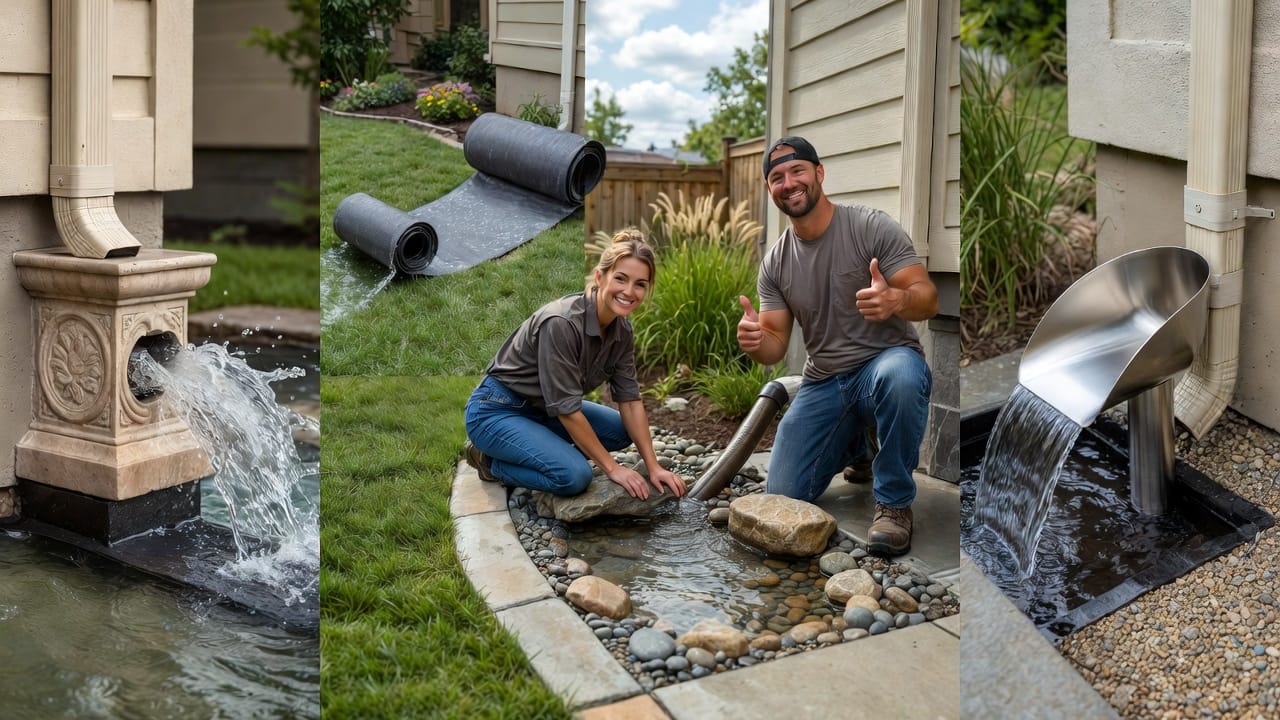
Installing a rain chain is straightforward—simply attach it to the gutter outlet and direct the flow into a basin or gravel bed below. For optimal performance, pair it with a decorative stone basin to capture and disperse water gently. This setup not only protects your foundation but also adds a zen-like ambiance to your garden.
In regions with moderate rainfall, rain chains shine as a low-maintenance option. Homeowners often report a sense of tranquility watching water trickle down during storms, turning what could be a nuisance into a delightful feature.
Practical Protection: Decorative Splash Blocks
For those seeking simplicity with style, decorative splash blocks offer an immediate solution to downspout discharge. These are essentially stylized stones or concrete pads placed at the downspout's base to redirect water away from the foundation.
Benefits of Splash Blocks
Unlike plain concrete versions, decorative splash blocks come in various designs, such as faux river rocks or engraved patterns, allowing them to blend into your landscaping. Key advantages include:
- Foundation Safeguard: Directs water at least 5-10 feet away from your home.
- Easy Installation: No tools required; just position and secure.
- Cost-Effective: Affordable way to prevent erosion without major renovations.
To maximize effectiveness, ensure the splash block is on a slight slope away from the house. Combining it with mulch or ground cover plants can further absorb runoff, creating a natural buffer zone.
We've seen countless properties transformed by this simple addition—reassuring homeowners that their foundations are protected without sacrificing aesthetics.
Advanced Integration: Buried Downspout Extensions
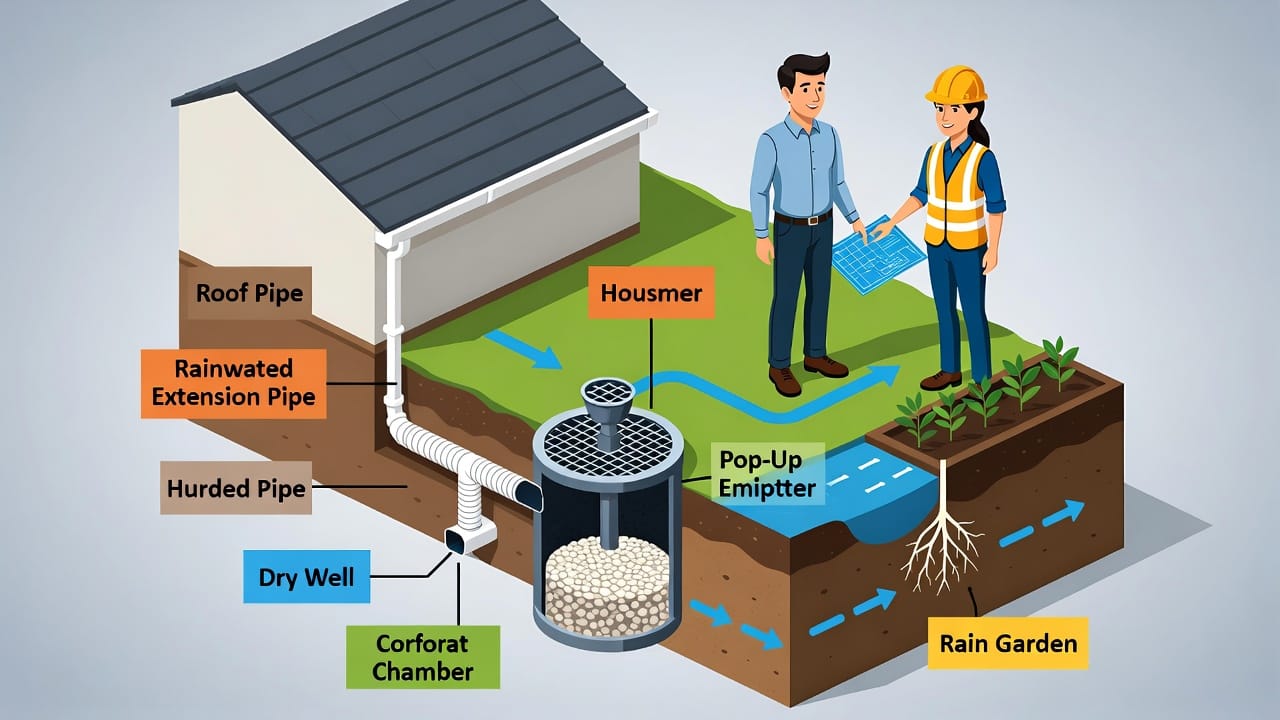
For more comprehensive roof runoff solutions, consider buried downspout extensions. These underground pipes carry water away from the foundation to designated dispersal areas, keeping your yard dry and tidy.
How Buried Extensions Work
Typically made from durable PVC or flexible corrugated plastic, these extensions connect to the downspout and run underground. They can lead to:
- Dry Wells: Perforated chambers that allow water to percolate into the soil gradually.
- Rain Gardens: Planted depressions designed to absorb and filter runoff naturally.
Installation involves digging a trench, laying the pipe with a slight downward slope (about 1/4 inch per foot), and covering it with soil and sod. This hidden system prevents tripping hazards and maintains a clean landscape appearance.
Integrating with Landscaping
The beauty of buried extensions lies in their seamless integration. For instance, directing water to a rain garden not only manages runoff but also supports native plants that thrive in moist conditions. Benefits include:
- Biodiversity Boost: Attracts pollinators and birds to your yard.
- Water Conservation: Reduces the need for irrigation by reusing rainwater.
- Property Value Increase: Eco-friendly features appeal to modern buyers.
Professionals recommend sizing the system based on your roof's square footage and local rainfall averages. A well-designed setup can handle even intense storms, providing peace of mind.
Eco-Friendly Options: Rain Gardens and Dry Wells
Delving deeper into sustainable practices, rain gardens and dry wells represent the pinnacle of functional landscaping integration.
Designing a Rain Garden
A rain garden is a shallow, planted basin that collects and absorbs runoff. Position it 10-20 feet from your foundation, downhill from the downspout extension. Key elements:
- Plant Selection: Choose deep-rooted natives like coneflowers, switchgrass, or sedges that tolerate wet and dry cycles.
- Soil Preparation: Amend with compost to improve infiltration.
- Maintenance Tips: Mulch annually and weed as needed for optimal performance.
This natural filter cleanses water of pollutants before it re-enters the groundwater, making it an environmentally responsible choice.
Implementing Dry Wells
For areas with poor soil drainage, a dry well acts as an underground storage tank. Filled with gravel or perforated crates, it allows water to seep out slowly. Advantages:
- High Capacity: Can manage large volumes from big roofs.
- Discreet Design: Completely buried, preserving yard usability.
- Overflow Prevention: Include vents or pop-up emitters for excess water.
Both options protect against foundation erosion while enhancing your property's green credentials. Our team has installed hundreds of these systems, consistently delivering results that exceed expectations.
Combining Solutions for Optimal Results
No single solution fits all homes; often, a hybrid approach yields the best outcomes. For example, use a rain chain for visible downspouts on the front of the house, while employing buried extensions in the back. This tailored strategy ensures comprehensive roof runoff management.
Factors to Consider
When planning your system:
- Site Assessment: Evaluate soil type, slope, and existing landscaping.
- Local Regulations: Check for permits, especially for underground installations.
- Budget and ROI: Initial costs vary, but savings on repairs make it worthwhile.
Professional consultation can identify the ideal combination, avoiding common pitfalls like improper sloping or undersized components.
Maintenance and Long-Term Care
To keep your downspout solutions performing flawlessly, regular maintenance is key. This includes:
- Seasonal Inspections: Clear debris from rain chains and splash blocks.
- Gutter Cleaning: Prevent blockages that force water over the edges.
- Monitoring Performance: After storms, check for pooling and adjust as needed.
With minimal effort, these systems provide enduring protection, allowing you to enjoy your landscape without worry.
Sustainable Benefits and Environmental Impact
Beyond home protection, effective runoff management contributes to broader environmental goals. By reducing stormwater overflow, you help prevent urban flooding and preserve water quality. Rain gardens, in particular, support local wildlife and reduce your carbon footprint through natural filtration.
Homeowners adopting these methods often find their yards more resilient to climate changes, with healthier plants and fewer pest issues.
Case Studies: Real-World Transformations
Consider a suburban home plagued by soggy lawns—after installing buried extensions to a rain garden, the yard became a vibrant oasis, free from erosion. Another example: A historic property enhanced with copper rain chains preserved its charm while solving basement dampness.
These success stories underscore the transformative power of thoughtful drainage solutions.
Choosing the Right Professionals
Selecting experienced installers ensures your system is built to last. Look for certifications in drainage and landscaping, and request references. Our integrated services cover everything from design to implementation, backed by warranties.
Conclusion: Elevate Your Water Management
Managing roof runoff doesn't have to be a chore— with creative solutions like rain chains, splash blocks, and buried extensions, you can protect your foundation while beautifying your landscape. Embrace these functional integrations for a home that's safe, sustainable, and stunning.
Rain Chains, Rain Gardens & More – Call for a Seamless Design